Megtekintés
 Küldés
 Megosztás
 Részletek

 Letöltés
 Hasonló darabok
 X-ray felvétel
 Diavetítés
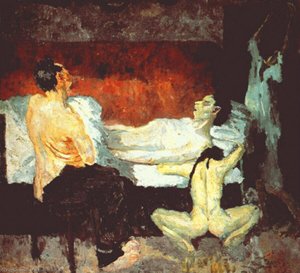
Day and Dream. Magic Mirror
 Acrylic On Canvas
- WallArt
- Expressionist Modernism
 1946
1946- Early Modern
 31.0 x 22.0 cm
 Összes részlet megjelenítése
Giclée / Műnyomat
Múzeumi minőségű giclée vagy vászonnyomat, gyors gyártással és rugalmas finomítási lehetőségekkel. ( Kézzel festett másolat rendelése Kép letöltése)




P118B $10

P118H $10

P118W $10

P438Z $10

P508JH $12

P508YH $12

P805H $10

P805Z $10

P919BZ $10

P919G $10

P919XJ $10

P959ZH $10

P968JZ $12

W106C $8

W218G $10

W218JH $8

W218Y $10

W307PJ $10

W316G $10

W316PJ $8

W316Y $10

W398PJ $8

W4111J $10

W500HY $15

W500JH $15

W692G $12

W849H $8

W940BG $15

W953PJ $8




Válasszon előre meghatározott méreteink közül, amelyek megfelelnek a műalkotás eredeti arányainak.

Megadhat saját méreteket is egy konkrét kerethez vagy helyszínhez igazítva. Amennyiben a kiválasztott méret nem egyezik az eredeti kép arányokkal, a műalkotást le fogjuk vágni, vagy kiegészítjük a képet tükrözött vagy egyszínű szélekkel. A gyártás megkezdése előtt egy digitális tervezetet küldünk jóváhagyásra.
Kérjük, vegye figyelembe, hogy a képernyőn látható előnézet nem tükrözi a tényleges levágást vagy kiegészítést. Csak a tervezet mutatja pontosan a végső kompozíciót.
Bár az egyedi méretek is elérhetőek, az eredeti arányok megőrzése érdekében azt javasoljuk, hogy válasszon a előre meghatározott listából származó méretet.
Világszerte történő kiszállítás területére mindössze 2 hét alatt, a szokásos 4-5 hét helyett. (19 augusztus)

Ingyenes globális expressz szállítás

Prémium minőségű len vászon

Teljes körű szállítási biztosítás

Vámvisszatérítési Garancia

Hiteles színpontosság garancia

60 napos visszaküldési lehetőség (csak hibás termékek esetén)

100% pénzvisszatérítési garancia

Több darab vásárlása esetén kedvezmény
 Az üvegkeretes opció csak 110 cm alatti méretben érhető el

Day and Dream. Magic Mirror
Giclée / Műnyomat
Reprodukció mérete
-


Összesített ár
$ 64
Gyűjthető leírása
Max Beckmann's "Day and Dream. Magic Mirror" – A Study in Disquiet
This meticulously crafted hand-painted reproduction of Max Beckmann’s “Day and Dream. Magic Mirror” (1946) offers a profound glimpse into the artist’s intensely personal and psychologically charged vision. Executed on archival quality paper with exacting attention to detail, this artwork transcends mere representation; it is an exploration of identity, reflection, and the unsettling nature of perception itself. Beckmann, born in Leipzig in 1884, was a pivotal figure in 20th-century art, moving from early academic training to a powerfully expressive style marked by distortion and fragmentation – a direct response to his experiences during World War I.
- Subject Matter: The scene depicts a solitary woman confronting her reflection within a mirror. This seemingly simple composition is layered with complex symbolism, inviting viewers to contemplate the nature of self-awareness and the potential for illusion.
- Style & Technique: Beckmann’s technique is characterized by bold lines, flattened perspective, and a deliberate rejection of traditional realism. The use of stark black and white amplifies the emotional intensity, creating a sense of claustrophobia and unease. Notice the meticulous rendering of textures – the smooth surface of the mirror contrasting with the rough fabric of the chairs – adding to the artwork’s tactile quality.
Historical Context & Beckmann's Vision
Created in 1946, “Day and Dream. Magic Mirror” emerged from a period of profound upheaval in Europe following World War II. Beckmann’s artistic trajectory was deeply influenced by the trauma of war and his experiences as a medical orderly during the conflict. This led to a shift in his style – moving away from representational accuracy towards a more subjective and emotionally driven approach. His work echoes the anxieties and uncertainties of the post-war era, reflecting a fractured sense of reality and a questioning of established values. Beckmann’s artistic lineage is equally significant; he drew inspiration from medieval stained glass, particularly the symbolic imagery found in Bosch and Grünewald, alongside influences from Cézanne, Van Gogh, Blake, Rembrandt, and Rubens – creating a unique synthesis that anticipates both Expressionism and Surrealism.
- Medieval Symbolism: The mirror itself is a potent symbol, harking back to medieval iconography where mirrors were often associated with divine revelation and the soul’s journey.
- Expressionist Roots: Beckmann's distortion of form anticipates the key tenets of Expressionism, prioritizing emotional impact over objective representation.
Symbolic Layers & Emotional Resonance
The inclusion of two additional figures – one on either side of the woman – adds another layer of complexity to the scene. These ambiguous presences could represent memories, anxieties, or perhaps even distorted versions of the self. The dining table, a recurring motif in Beckmann’s work, suggests themes of social interaction and isolation. The overall effect is deeply unsettling, prompting viewers to confront uncomfortable questions about identity, perception, and the fragility of human experience. “Day and Dream. Magic Mirror” isn't merely a depiction; it’s an invitation to engage with the darker aspects of the human psyche.
- The Mirror as Metaphor: The mirror serves as a powerful metaphor for self-reflection, but also for the potential for deception and illusion.
- Emotional Impact: This artwork evokes feelings of melancholy, introspection, and perhaps even a sense of dread – qualities that have long defined Beckmann’s most compelling works.
Perfect for Interior Design & Art Collection
This hand-painted reproduction of “Day and Dream. Magic Mirror” is more than just a beautiful image; it's an investment in art history and a statement of sophisticated taste. Its compact size (31 x 22 cm) makes it ideal for a variety of settings, from a study or bedroom to a gallery wall. The high-quality materials and meticulous craftsmanship ensure that this reproduction will retain its beauty and value for years to come. Bring the profound vision of Max Beckmann into your home or office – a timeless piece that continues to challenge and inspire.
Hasonló műalkotások


A művész életrajza
early life and artistic development
Max Beckmann, a renowned german painter, draftsman, printmaker, sculptor, and writer, was born on february 12, 1884, in leipzig, saxony. his artistic journey began with academically correct depictions, which later transformed into distorted figures and spaces, reflecting his altered vision of humanity after serving as a medical orderly in world war i. The formative years instilled within him a profound sensitivity to human suffering and trauma—a preoccupation that would permeate his entire oeuvre. Beckmann’s initial training focused on mastering traditional techniques, mirroring the stylistic conventions prevalent at the time, yet he swiftly rejected these constraints, embarking upon a path of experimentation and innovation. This pivotal decision marked the genesis of his distinctive artistic style, characterized by expressive brushwork and unsettling imagery—a departure from conventional aesthetics that foreshadowed the emergence of Expressionism.artistic style and influences
Beckmann's style, rooted in the iconography of medieval stained glass, was profoundly influenced by a constellation of artists who captivated him during his formative years. Cézanne’s geometric simplification served as a catalyst for reshaping spatial relationships, while Van Gogh’s vibrant color palettes ignited his imagination with audacious chromatic explorations. Blake’s visionary symbolism instilled within him an unwavering belief in the power of art to convey spiritual truths—a conviction that would guide his artistic endeavors throughout his life. Rembrandt's masterful use of chiaroscuro deepened his understanding of dramatic lighting and its capacity to evoke emotional resonance, establishing a cornerstone for Beckmann’s compositional approach. Rubens’ opulent drapery and anatomical precision broadened his technical repertoire, equipping him with the tools necessary to depict human form with unparalleled realism—a skill he honed relentlessly in pursuit of artistic excellence. Furthermore, Beckmann drew inspiration from northern european artists of the late middle ages and early renaissance, such as Bosch, Bruegel, and Matthias Grünewald, whose grotesque depictions of biblical narratives challenged conventional moral precepts and championed a subversive critique of societal norms.notable works and exhibitions
Beckmann’s artistic output spanned decades, producing an astonishing array of paintings, prints, sculptures, and literary compositions—each imbued with his singular vision and stylistic signature. Among his most celebrated achievements stand *The Bark* (acquired by the national gallery in berlin), a monumental triptych that encapsulates the artist's preoccupation with existential themes and symbolic representation; *Self-Portrait in Tuxedo*, a haunting depiction of introspection and psychological complexity—a portrait that transcends mere likeness, delving into the depths of Beckmann’s inner life. His retrospectives at the Städelschule Mannheim (1928) and Basel & Zurich (1930) garnered critical acclaim and solidified his reputation as one of Germany's foremost Expressionist painters. These exhibitions showcased the breadth of his artistic explorations, illuminating the evolution of his style from early academic renderings to mature works characterized by jarring distortions and emotionally charged imagery—a testament to Beckmann’s unwavering commitment to artistic innovation.later life and exile
Beckmann’s fortunes took a dramatic turn with the ascendancy of Adolf Hitler, resulting in his expulsion from the art school in frankfurt and the confiscation of over 500 of his artworks—a devastating blow that curtailed his creative freedom and plunged him into profound disillusionment. He sought refuge in amsterdam for ten years, enduring bureaucratic obstacles and grappling with the psychological repercussions of exile—a period marked by intense artistic productivity despite insurmountable challenges. Despite failing to secure a visa for the united states, Beckmann persevered in pursuing his artistic ambitions, establishing a studio in the netherlands and cultivating relationships with fellow artists who shared his intellectual convictions. His legacy endured beyond his lifetime, securing recognition as a pivotal figure in german art history—a testament to Beckmann’s enduring influence on subsequent generations of painters and sculptors. Beckmann's first retrospective in the united states took place in 1948 at the city art museum saint louis, cementing his position as an internationally acclaimed artist. Max-Slevogt galerie, germany features a collection of his works.
Max Beckmann
1884 - 1950 , Németország
A művészről röviden
- Artistic Movement Or Style: Expressionism
- Artists Or Movements Influenced By This Artist: ['Rembrandt']
- Artists Who Influenced This Artist:
- Georges Seurat
- Vincent van Gogh
- Date Of Birth: Feb 12, 1884
- Date Of Death: Dec 27, 1950
- Full Name: Max Carl Friedrich Beckmann
- Nationality: German
- Notable Artworks:
- The Bark
- Self-Portrait in Tuxedo
- Place Of Birth: Leipzig, Germany
Kapcsolódó cikkek

A Fehér Szín Mesterei: 10 Híres Festmény, Amelyek Elvarázsolnak – AllPaintingsStore.com
Fedezze fel a 10 legikonikusabb fehér tónusú festményt! Monet, Van Gogh és más mesterek alkotásainak története. Vászonképek, reprodukciók – inspiráció otthonába. AllPaintingsStore.com: minőségi művészet online.

A Fekete Szín Mesterei: 10 Híres Festmény, Amelyek Elvarázsolnak – AllPaintingsStore.com
Fedezze fel a 10 leghíresebb, fekete tónusú festményt! Rembrandt, Goya és Manet remekművei elvarázsolják. Művészettörténet, inspiráció otthonába – AllPaintingsStore.com kínálatából. Fedezze fel a teljes gyűjteményt online!

Giclée Prints: Archival Quality & Aesthetic Nuances for the Discerning Collector
Explore the world of giclée prints with AllPaintingsStore. Learn about archival quality, aesthetic nuances & investment potential. Expert guidance for discerning art collectors seeking museum-quality reproductions and lasting value.

Beyond Color: The Timeless Power and Artistry of Black and White Photography
Explore the profound artistry of black and white photography. From the chemistry of gelatin silver to the chiaroscuro of the Old Masters, discover how monochrome captures the eternal essence of light, form, and emotion for the discerning art collector.
Monochrome Visions: Exploring the Aesthetic & Historical Significance of Black & White Photography
Explore the rich history & artistic power of black and white photography. From early techniques to iconic masters like Ansel Adams, discover why monochrome continues to captivate art lovers today. Expert insights for collectors.