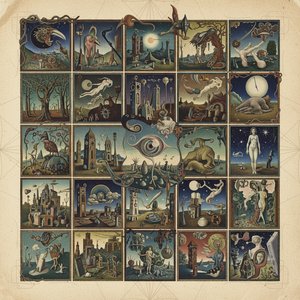
1940. Acrylic On Canvas, 36.0 x 28.0 cm.

§ 1Catalogue data
 Acrylic On Canvas
- WallArt
- Surrealism
 1940
1940- Modern
 36.0 x 28.0 cm
Ez a műalkotás szerzői jogi védelem alatt áll
Az ezen az oldalon megjelenített műalkotások szerzői jogi védelem alatt állnak, ami azt jelenti, hogy törvényileg nem készíthetünk és nem adhatunk el belőlük pontos másolatokat. Ez a védelem olyan nemzetközi megállapodások alapján érvényesül, mint például a Berni Egyezmény és a nemzeti jogszabályok által, beleértve azokat is, amelyeket meghatározott Az USA szerzői jogi törvénye – 17. cím.
Mint tiszteletes és törvényes alternatívát, olyan egyedi, kézzel festett alkotásokat kínálunk, amelyek az eredetiből merítnek inspirációt. Tapasztalt és professzionális művészeink alaposan tanulmányozzák az eredeti stílusát, hangulatát és művészeti esszenciáját, hogy egy olyan új, egyedi alkotást hozzunk létre, amely ugyanazt az érzést kelti – miközben önálló, eredeti alkotásként létezik.
Ez a módszer teljes mértékben megfelel a szerzői jogi szabályozásnak, mivel nem tartalmazza a védett műalkotás másolását vagy duplikálását. Ehelyett ez egy kreatív újinterpretáció – egy új festmény, amely az eredetivel való összefüggései miatt hatással van rá, de nem az az.
 További információk
§ 2Abstract
A gyűjtemény leírása
A művész életrajza
Max Ernst (1891-1976) szürrealista festő, dada művész! Innovatív technikákkal – frottázs, kollázs – ábrázolta a vágyakat, a tudattalanot és a fantáziát. #Ernst #Szürrealizmus #Dada
§ 3Commentary
A Dance Between Chance and Vision: Exploring Max Ernst’s “Abstract Composition”
Max Ernst's "Abstract Composition," painted in 1940, stands as a testament to the radical experimentation that defined his artistic career—a cornerstone of Dada and Surrealism. Born Maximilian Maria Ernst on April 1st, 1891, in Brühl, Germany, he defied conventional academic paths, forging instead a singular path fueled by philosophical contemplation and an unwavering fascination with the subconscious mind. His father’s role as a teacher of the deaf instilled within him not only sensitivity to auditory perception but also a rebellious spirit against societal constraints—a duality that would permeate his artistic endeavors. Ernst's intellectual grounding extended far beyond mere visual aesthetics; he pursued degrees in philosophy, art history, literature, psychology, and psychiatry at Bonn University. This multifaceted approach wasn’t simply about mastering artistic skills; it was about interrogating the very nature of creativity itself—asking “Why?” He sought to understand the psychological forces shaping artistic expression, mirroring his broader philosophical inquiries into existentialism and the human condition. The painting's visual language is strikingly simple yet profoundly complex. Two sailboats glide across a serene expanse of blue water, their trajectories subtly converging – an image imbued with quiet contemplation and hinting at interconnectedness. Scattered throughout the canvas are birds—symbols often associated with freedom, aspiration, and spiritual transcendence—adding a layer of dynamism to the tranquil scene. However, it’s Ernst's groundbreaking technique that truly elevates “Abstract Composition.” He employed grattage, a method pioneered by Ernst himself, wherein he meticulously covered the canvas with pigment and subsequently scraped away portions using a palette knife. This process revealed underlying impressions created by objects positioned beneath the initial layer of paint—a deliberate embrace of chance and spontaneity championed by Dada and Surrealist artists. Further manipulation involved utilizing a painter’s comb to disrupt earlier paint strata, exposing hidden textures and patterns. Finally, Ernst stamped new motifs onto the dried surface, continuing his exploration of layering and transformation. This meticulous process underscores Ernst's commitment to disrupting traditional artistic conventions and delving into the realm of unconscious imagery. The clock in the upper left corner serves as a subtle focal point—perhaps representing time’s relentless march or symbolizing the artist’s deliberate control over the creative process. “Abstract Composition” embodies the spirit of Surrealism, prioritizing dreamlike imagery and irrational juxtapositions to provoke thought and challenge perceptions. It's more than just a depiction of sailboats; it’s an invitation to consider themes of movement, harmony, and hidden depths—a captivating piece for collectors seeking artwork that transcends literal representation. Consider commissioning a high-quality reproduction to bring Ernst’s visionary aesthetic into your home or studio.- Artist: Max Ernst
- Year Painted: 1940
- Medium: Acrylic on Canvas
- Dimensions: 36 x 28 cm
Kérdések és válaszok
Elérhető-e a "Abstract Composition" nagy felbontású letöltése?
A „Abstract Composition”, Max Ernst alkotása digitális fájljának megvásárlása érdekében magas felbontású digitális kép letöltése az alábbi oldalon: Digitális alkotás.
Mit ábrázol a „Abstract Composition”, Max Ernst alkotása?
A „Abstract Composition”, Max Ernst alkotása alkotás témái közé tartozik a sailboats, birds, clock, texture, chance, abstraction, palette knife. Ezek együtt foglalják össze a mű tárgyát.
Hol vásárolható „Abstract Composition”, Max Ernst alkotása kézzel festett másolata?
A „Abstract Composition”, Max Ernst alkotása kézzel festett másolataival a ez a weboldal oldalon találkozhat, kézzel festett olajfesték reprodukció lino vászonon formában, melyet a(z) Kézzel festett másolat oldalon lehet megrendelni.


 Váltás nyomtatványra


 A bármely oldalsó méretét túlszálaló 105 cm (kb. 41 hüvelyk) meghaladó műalkotások vagy reprodukciók esetében a keret összeszerelhető készletként, szétszerelve kerül szállításra. Ez a módszer biztosítja a biztonságos szállítást, és megakadályozza a szállítás során fellépő sérüléseket.