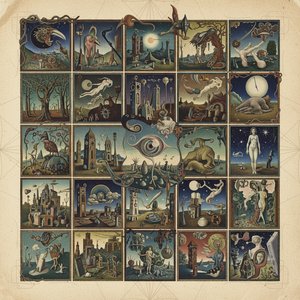
Oil On Canvas.

§ 1Katalógusadatok


Ez a műalkotás szerzői jogi védelem alatt áll
Az ezen az oldalon megjelenített műalkotások szerzői jogi védelem alatt állnak, ami azt jelenti, hogy törvényileg nem készíthetünk és nem adhatunk el belőlük pontos másolatokat. Ez a védelem olyan nemzetközi megállapodások alapján érvényesül, mint például a Berni Egyezmény és a nemzeti jogszabályok által, beleértve azokat is, amelyeket meghatározott Az USA szerzői jogi törvénye – 17. cím.
Mint tiszteletes és törvényes alternatívát, olyan egyedi, kézzel festett alkotásokat kínálunk, amelyek az eredetiből merítnek inspirációt. Tapasztalt és professzionális művészeink alaposan tanulmányozzák az eredeti stílusát, hangulatát és művészeti esszenciáját, hogy egy olyan új, egyedi alkotást hozzunk létre, amely ugyanazt az érzést kelti – miközben önálló, eredeti alkotásként létezik.
Ez a módszer teljes mértékben megfelel a szerzői jogi szabályozásnak, mivel nem tartalmazza a védett műalkotás másolását vagy duplikálását. Ehelyett ez egy kreatív újinterpretáció – egy új festmény, amely az eredetivel való összefüggései miatt hatással van rá, de nem az az.
 További információk
§ 2Absztrakt
A gyűjtemény leírása
Surrealist Max Ernst’s ‘Celebes’ depicts an enigmatic tableau featuring a man beside a tennis racket-bearing elephant statue—a whimsical blend of sculpture and sport reflecting Ernst's intellectual exploration of the subconscious. Explore this captivating artwork and bring its dreamlike vision home.
A művész életrajza
Max Ernst (1891-1976) szürrealista festő, dada művész! Innovatív technikákkal – frottázs, kollázs – ábrázolta a vágyakat, a tudattalanot és a fantáziát. #Ernst #Szürrealizmus #Dada
§ 3Magyarázat
A Dreamscape Forged in Chaos: The Enigma of Max Ernst’s Celebes
To step into the world of Max Ernst is to abandon the safety of logic and surrender to the beautiful, unsettling currents of the subconscious. His 1921 masterpiece, Celebes, stands as a monumental gateway into this realm, acting as one of the most profound early achievements of the Surrealist movement. At first glance, the viewer is confronted by an arresting juxtaposition of figures and fauna—a scene that feels less like a painted landscape and more like a fragment of a fever dream. A colossal, elephant-like entity dominates the composition, its metallic, boiler-like body possessing a strange, mechanical vitality. Its trunk, curved with a playful yet eerie grace, appears to cradle a tennis racket, an absurd detail that immediately disrupts any attempt at rational interpretation. This startling encounter between the organic and the inanimate creates a tableau that is both captivating and deeply disorienting.
The brilliance of Celebes lies in its masterful command of texture and the experimental spirit of the Dadaist tradition. Ernst, a pioneer who refused to be bound by academic constraints, utilized techniques that bridged the gap between collage and painting. Through meticulous layering, he achieved a palpable sense of depth, where surfaces seem to oscillate between the smooth and the rugged. The artwork employs a flattened perspective reminiscent of Giorgio de Chirico, yet it breathes with a much more visceral energy. By assembling disparate visual elements—a solitary chair, a scattered book, and strange, bulbous forms—Ernst creates a sense of "organized chaos." For the discerning collector or interior designer, this technique offers a rich, tactile quality that brings a sophisticated, intellectual tension to any space, inviting the eye to linger on every textured crevice and unexpected shadow.
Symbolism and the Subconscious Mind
Beyond its striking visual surface, Celebes is a profound exploration of symbolism and the psychological landscape of the post-World War I era. The central figure, often interpreted as an anthropomorphized bull or a mechanical elephant, serves as a symbol of both stability and terrifying transformation. It represents the merging of nature and technology, a theme that resonated deeply in an age of rapid industrialization. The inclusion of domestic objects, such as the chair and the book, provides a haunting contrast; these items of intellect and comfort are rendered insignificant by the presence of the monumental, surreal creature. This deliberate incongruity speaks to the Surrealist mission: to shatter conventional perceptions and reveal the hidden truths buried within the human psyche.
The emotional impact of the piece is one of whimsical disorientation. It does not merely ask to be looked at; it demands to be felt. There is a certain melancholy in its solitude, yet a delightful provocation in its absurdity. For those seeking to infuse their environment with art that sparks conversation and introspection, a high-quality reproduction of Celebes offers more than mere decoration. It provides a portal to the infinite possibilities of the imagination. Whether placed in a contemporary gallery setting or a curated private study, this work serves as a constant reminder of the beauty found in the illogical, making it an essential acquisition for anyone moved by the enduring power of the Surrealist vision.
Kérdések és válaszok
Hol függene jól a „Celebes”, Max Ernst alkotása reprodukciója?
A Portrait formájú, a „Celebes” című alkotás reprodukcióját egy Living Room számára javasoljuk.
Milyen orientációjú a „Celebes”, Max Ernst alkotása?
A "Celebes" formátuma Portrait. Ez hasznos, amikor tervezünk, hogy a reprodukciót hová helyezzük el.
Max Ernst pályájának mely időszakához tartozik a „Celebes”?
A "Celebes" Max Ernst pályájának a Mature Surreal szakaszába tartozik. Ez a besorolás összekapcsolja a művet a művész fejlődésével.



 Váltás nyomtatványra


 A bármely oldalsó méretét túlszálaló 105 cm (kb. 41 hüvelyk) meghaladó műalkotások vagy reprodukciók esetében a keret összeszerelhető készletként, szétszerelve kerül szállításra. Ez a módszer biztosítja a biztonságos szállítást, és megakadályozza a szállítás során fellépő sérüléseket.