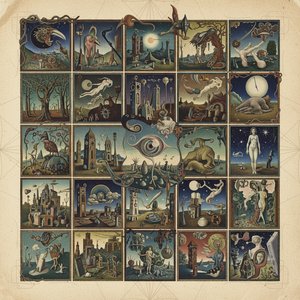
Collage.

§ 1Catalogue data


Ez a műalkotás szerzői jogi védelem alatt áll
Az ezen az oldalon megjelenített műalkotások szerzői jogi védelem alatt állnak, ami azt jelenti, hogy törvényileg nem készíthetünk és nem adhatunk el belőlük pontos másolatokat. Ez a védelem olyan nemzetközi megállapodások alapján érvényesül, mint például a Berni Egyezmény és a nemzeti jogszabályok által, beleértve azokat is, amelyeket meghatározott Az USA szerzői jogi törvénye – 17. cím.
Mint tiszteletes és törvényes alternatívát, olyan egyedi, kézzel festett alkotásokat kínálunk, amelyek az eredetiből merítnek inspirációt. Tapasztalt és professzionális művészeink alaposan tanulmányozzák az eredeti stílusát, hangulatát és művészeti esszenciáját, hogy egy olyan új, egyedi alkotást hozzunk létre, amely ugyanazt az érzést kelti – miközben önálló, eredeti alkotásként létezik.
Ez a módszer teljes mértékben megfelel a szerzői jogi szabályozásnak, mivel nem tartalmazza a védett műalkotás másolását vagy duplikálását. Ehelyett ez egy kreatív újinterpretáció – egy új festmény, amely az eredetivel való összefüggései miatt hatással van rá, de nem az az.
 További információk
§ 2Abstract
A gyűjtemény leírása
The painting depicts a surreal landscape featuring a bird with an elongated beak amidst scattered objects – a boat, chair, clock, and bottles – reflecting Ernst’s exploration of subconscious imagery and challenging conventional artistic representation.
A művész életrajza
Max Ernst (1891-1976) szürrealista festő, dada művész! Innovatív technikákkal – frottázs, kollázs – ábrázolta a vágyakat, a tudattalanot és a fantáziát. #Ernst #Szürrealizmus #Dada
§ 3Commentary
A Dreamscape of Desire: Unveiling Max Ernst’s L'Amour Objectif
In the quiet, unsettling corridors of the subconscious, where logic dissolves and the boundaries of reality blur, resides the hauntingly beautiful world of Max Ernst. His 1927 masterpiece, L'Amour Objectif, serves as a profound gateway into the Surrealist movement—a period defined by the intellectual tremors of post-World War I Europe. This is not merely a painting to be viewed; it is an experience to be felt. As one gazes upon the canvas, they are invited into a meticulously crafted meditation on desire and perception, where every element serves as a cryptic clue to the hidden depths of the human psyche.
The composition is a masterclass in surrealist tension, presenting a tableau that feels both strangely familiar and deeply alien. At the heart of this dreamscape stands a bird, a recurring and enigmatic motif in Ernst’s vast oeuvre, its long beak poised as if caught in a moment of silent contemplation. Yet, the bird does not exist in isolation. It is surrounded by a constellation of disconnected objects: a boat drifting through an unseen current, a solitary chair, and a clock perched near the upper right corner. This deliberate juxtaposition of unrelated items creates a sense of "objective chance," a concept where the random meeting of objects sparks a new, poetic meaning that bypasses rational thought.
The Alchemy of Technique and Texture
To touch the surface of L'Amour Objectif—even through a high-quality reproduction—is to encounter a landscape of profound tactile richness. Ernst was a pioneer of automatism, a technique designed to bypass the conscious mind and allow the unconscious to dictate the brushstroke. In this work, he achieves a breathtakingly complex texture by employing a collage-like method, layering the canvas with sand and burlap over a foundation of gesso. This creates an atmospheric depth that mimics the gritty, fragmented nature of memory itself.
The artist’s meticulous brushwork lends a sense of hyper-reality to these dreamlike forms, making the impossible feel tangibly present. For the discerning collector or interior designer, this textural complexity offers an unparalleled visual weight. The interplay of light and shadow across the textured surfaces provides a dynamic quality that changes with the ambient lighting of a room, ensuring that the artwork remains a living, breathing presence within any curated space.
Symbolism and the Echoes of Freud
Deeply embedded within the layers of this painting is the profound influence of Sigmund Freud’s psychoanalytic theories. Ernst, having studied psychology and psychiatry, utilized the canvas to explore the repressed anxieties and hidden impulses that define our existence. The clock, positioned prominently, acts as a symbol of time as an illusion—a reminder of the fleeting nature of consciousness and the persistent presence of temporal anxiety. Even the placement of the two bottles in the upper left corner suggests a fragmented reality, where even the most mundane objects are imbued with psychological significance.
For those seeking to bring a piece of art history into their homes, L'Amour Objectif offers more than just aesthetic beauty; it offers intellectual depth. It is a conversation piece that challenges the viewer to look beyond the surface and confront the mysteries of their own mind. Whether gracing a modern gallery wall or serving as a focal point in a sophisticated study, this reproduction captures the enduring spirit of Surrealism—a movement that continues to inspire awe, curiosity, and a profound emotional resonance in all who encounter it.
Kérdések és válaszok
Hol tudok nyomtatványt vásárolni a(z) „L'Amour objectif”, Max Ernst alkotása alkotásból?
A „L'Amour objectif”, Max Ernst alkotása nyomtatott példányát egyszerűen megrendelheti a következő oldalon: minőségi giclée nyomat pamutvászonon vagy archiváló vászonpapíron, a Művészeti nyomtatvány kautta.
Megtekinthetném „L'Amour objectif”, Max Ernst alkotása alkotást más megvilágítás mellett is?
A „L'Amour objectif” rétegről rétegre vizsgálható a mű alkotásának X-ray felvétel oldalán, amely egy restaurátori fényasztal alapján készült interaktív néző, és tizenegyi optikai rétegben mutatja be a képet.
Milyen szín vezeti a „L'Amour objectif”, Max Ernst alkotása kompozícióját?
A(z) "L'Amour objectif" alkotásban leginkább a Rosy Brown (#ceb19f) szín tűnik ki. A domináns szín hasznos, amikor egy műalkotást össze kell egyeztetni egy belső térrel.


 Váltás nyomtatványra


 A bármely oldalsó méretét túlszálaló 105 cm (kb. 41 hüvelyk) meghaladó műalkotások vagy reprodukciók esetében a keret összeszerelhető készletként, szétszerelve kerül szállításra. Ez a módszer biztosítja a biztonságos szállítást, és megakadályozza a szállítás során fellépő sérüléseket.