.

§ 1Catalogue data

Ez a műalkotás szerzői jogi védelem alatt áll
Az ezen az oldalon megjelenített műalkotások szerzői jogi védelem alatt állnak, ami azt jelenti, hogy törvényileg nem készíthetünk és nem adhatunk el belőlük pontos másolatokat. Ez a védelem olyan nemzetközi megállapodások alapján érvényesül, mint például a Berni Egyezmény és a nemzeti jogszabályok által, beleértve azokat is, amelyeket meghatározott Az USA szerzői jogi törvénye – 17. cím.
Mint tiszteletes és törvényes alternatívát, olyan egyedi, kézzel festett alkotásokat kínálunk, amelyek az eredetiből merítnek inspirációt. Tapasztalt és professzionális művészeink alaposan tanulmányozzák az eredeti stílusát, hangulatát és művészeti esszenciáját, hogy egy olyan új, egyedi alkotást hozzunk létre, amely ugyanazt az érzést kelti – miközben önálló, eredeti alkotásként létezik.
Ez a módszer teljes mértékben megfelel a szerzői jogi szabályozásnak, mivel nem tartalmazza a védett műalkotás másolását vagy duplikálását. Ehelyett ez egy kreatív újinterpretáció – egy új festmény, amely az eredetivel való összefüggései miatt hatással van rá, de nem az az.
 További információk
§ 2Abstract
A gyűjtemény leírása
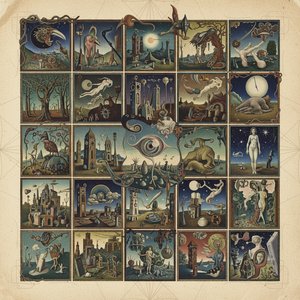
Explore Max Ernst’s 'Ofrenda funeraria,' a striking monochrome engraving of a mythical beast. Discover Surrealism & historical illustration techniques in this unique artwork.
A művész életrajza
Max Ernst (1891-1976) szürrealista festő, dada művész! Innovatív technikákkal – frottázs, kollázs – ábrázolta a vágyakat, a tudattalanot és a fantáziát. #Ernst #Szürrealizmus #Dada
§ 3Commentary
A Mythical Emergence: Decoding Max Ernst’s ‘Ofrenda funeraria’
- Subject & Style: ‘Ofrenda funeraria’ (Funerary Offering) presents a powerfully rendered, monochrome engraving of a reptilian creature – unmistakably evoking dragons or ancient beasts from folklore. Ernst masterfully blends the fantastical with an almost scientific approach to depiction. The style leans towards historical illustration, reminiscent of early natural history plates attempting to document newly discovered species, yet this ‘species’ exists solely within the realm of imagination.
- This deliberate juxtaposition is a hallmark of Ernst's Surrealist practice – presenting the illogical and dreamlike with meticulous realism.
Technique & Artistic Process
- Engraving Mastery: The artwork’s impact is deeply rooted in its technique. Ernst employed engraving, a labor-intensive process involving the precise cutting of lines into a metal plate with a burin. These lines then hold the ink and transfer the image to paper. This method allows for incredible detail – evident in the textured scales and wrinkles of the creature – and a dramatic interplay of light and shadow achieved through hatching and cross-hatching.
- Surrealist Innovation: While technically demanding, Ernst wasn’t simply showcasing technical skill. He embraced techniques like frottage (rubbing textures onto paper) and collage to unlock the subconscious and generate unexpected imagery. Though ‘Ofrenda funeraria’ is a direct engraving, it embodies this spirit of exploring chance and automatism – allowing the image to emerge from an internal landscape.
Symbolism & Interpretation within Ernst's Oeuvre
- Power & Primal Forces: The creature itself is laden with symbolism. Its imposing size, open mouth, and dynamic pose suggest power, danger, and perhaps even a primal force of nature. Emerging from water further reinforces this connection to the subconscious – water often representing the depths of the human psyche in Surrealist art.
- Ernst’s work frequently grapples with themes of mythology, psychology, and the anxieties of the modern world. ‘Ofrenda funeraria’ can be seen as a visual manifestation of these concerns—a confrontation with our deepest fears and desires.
- Historical Context: Created during a period marked by political upheaval (the aftermath of WWI, the rise of totalitarianism), Ernst's work often reflects disillusionment and a questioning of established norms. The creature could be interpreted as a symbol of destructive forces unleashed upon society.
Emotional Resonance & Aesthetic Impact
- A Striking Presence: Despite its monochrome palette, ‘Ofrenda funeraria’ possesses an undeniable visual impact. The meticulous detail and dramatic composition draw the viewer in, creating a sense of awe and unease.
- The artwork's ability to evoke such strong emotions – fascination, fear, wonder – speaks to Ernst’s mastery as a Surrealist artist.
- Interior Design & Collectibility: This piece would serve as a compelling focal point in any collection. Its dramatic imagery and sophisticated technique lend themselves well to both modern and traditional interiors, adding a touch of intellectual depth and artistic intrigue. A high-quality reproduction captures the intricate detail and emotional power of the original engraving.
Kérdések és válaszok
Mely művészeti irány része a „Ofrenda funeraria”, Max Ernst alkotása?
A „Ofrenda funeraria”, Max Ernst alkotása művészeti irányata a Surrealism. Ez a klasszifikáció a művet a kapcsolódó alkotók és alkotások közé sorolja.
A „Ofrenda funeraria”, Max Ernst alkotása portré, tájékép vagy négyzet alakú kompozíció?
A "Ofrenda funeraria" formátuma Panoramic. Ez hasznos, amikor tervezünk, hogy a reprodukciót hová helyezzük el.
Milyen szín vezeti a „Ofrenda funeraria”, Max Ernst alkotása kompozícióját?
A(z) "Ofrenda funeraria" alkotásban leginkább a Putty (#d0d0d0) szín tűnik ki. A domináns szín hasznos, amikor egy műalkotást össze kell egyeztetni egy belső térrel.



 Váltás nyomtatványra


 A bármely oldalsó méretét túlszálaló 105 cm (kb. 41 hüvelyk) meghaladó műalkotások vagy reprodukciók esetében a keret összeszerelhető készletként, szétszerelve kerül szállításra. Ez a módszer biztosítja a biztonságos szállítást, és megakadályozza a szállítás során fellépő sérüléseket.