Oil On Canvas.

§ 1Catalogue data


Ez a műalkotás szerzői jogi védelem alatt áll
Az ezen az oldalon megjelenített műalkotások szerzői jogi védelem alatt állnak, ami azt jelenti, hogy törvényileg nem készíthetünk és nem adhatunk el belőlük pontos másolatokat. Ez a védelem olyan nemzetközi megállapodások alapján érvényesül, mint például a Berni Egyezmény és a nemzeti jogszabályok által, beleértve azokat is, amelyeket meghatározott Az USA szerzői jogi törvénye – 17. cím.
Mint tiszteletes és törvényes alternatívát, olyan egyedi, kézzel festett alkotásokat kínálunk, amelyek az eredetiből merítnek inspirációt. Tapasztalt és professzionális művészeink alaposan tanulmányozzák az eredeti stílusát, hangulatát és művészeti esszenciáját, hogy egy olyan új, egyedi alkotást hozzunk létre, amely ugyanazt az érzést kelti – miközben önálló, eredeti alkotásként létezik.
Ez a módszer teljes mértékben megfelel a szerzői jogi szabályozásnak, mivel nem tartalmazza a védett műalkotás másolását vagy duplikálását. Ehelyett ez egy kreatív újinterpretáció – egy új festmény, amely az eredetivel való összefüggései miatt hatással van rá, de nem az az.
 További információk
§ 2Abstract
A gyűjtemény leírása
Max Ernst’s ‘Two Birds’ is a surrealist vision of contemplation and disruption, featuring frottage textures and a playful sports ball amidst observing birds. Explore this iconic 1920s artwork and bring its dreamlike beauty into your space.
A művész életrajza
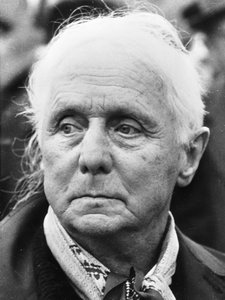
Max Ernst (1891-1976) szürrealista festő, dada művész! Innovatív technikákkal – frottázs, kollázs – ábrázolta a vágyakat, a tudattalanot és a fantáziát. #Ernst #Szürrealizmus #Dada
§ 3Commentary
A Vision of Paradox: Examining Max Ernst’s “Two Birds”
Max Ernst's "Two Birds" stands as a quintessential example of Surrealist exploration—a painting that simultaneously captures the beauty of nature and unsettles with its dreamlike logic. Executed sometime in the mid-1920s, this artwork embodies Ernst’s fascination with automatism, a technique he championed alongside André Breton and other Dada artists, aiming to bypass conscious thought and tap into subconscious impulses. The image depicts two birds perched on what appears to be earth—one bird gazing upwards at the other, creating an immediate visual dialogue that speaks volumes about observation and contemplation. Scattered around them are three additional birds: one positioned on the left side of the canvas, another near the upper right corner, and a third nestled at the bottom right. Adding to this avian tableau is a solitary sports ball centrally placed, subtly introducing an element of playful disruption against the serene backdrop.Style and Technique: Embracing Automatism
Ernst’s masterful application of frottage—a technique involving rubbing textured surfaces onto paper—is evident throughout “Two Birds.” This process deliberately obscures linear perspective and introduces accidental patterns, mirroring the unpredictable nature of dreams and fostering a sense of spontaneity. The painting utilizes oil paints on canvas, allowing for rich tonal gradations that heighten the impressionistic quality of the scene. Ernst’s meticulous layering of colors contributes to an ethereal atmosphere—a deliberate departure from representational accuracy in favor of conveying emotional resonance. The muted palette emphasizes the stillness of the landscape and underscores the birds' quiet contemplation.Historical Context: Dada and Surrealism – A Rebellion Against Reason
“Two Birds” emerged during the turbulent years following World War I, coinciding with the rise of Dada and Surrealism—movements born out of disillusionment with bourgeois values and a fervent desire to challenge artistic conventions. Dada artists rejected logic and rationality, embracing absurdity and chance as tools for critique. Surrealists, influenced by Sigmund Freud’s psychoanalytic theories, sought to liberate the unconscious mind and explore its hidden depths. Ernst's work aligns perfectly with these intellectual currents, reflecting a broader preoccupation with anxieties surrounding societal upheaval and the exploration of psychological landscapes. The painting serves as a visual manifestation of this rebellious spirit—a refusal to accept simplistic interpretations of reality.Symbolism: Birds as Embodiments of Desire and Transformation
Birds have long held symbolic significance across cultures, representing freedom, aspiration, and spiritual transcendence. In “Two Birds,” the upward gaze of one bird can be interpreted as a yearning for something beyond immediate perception—a desire for knowledge or enlightenment. Simultaneously, it speaks to the interconnectedness of existence, mirroring the relationship between two individuals seeking understanding. The presence of multiple birds reinforces this theme, suggesting that beauty and contemplation coexist within a complex universe. Furthermore, the sports ball introduces an element of dynamism and potential conflict, hinting at underlying tensions—perhaps representing the struggle for balance between serenity and action.Emotional Impact: A Quiet Reflection on Observation
Ultimately, “Two Birds” transcends mere visual representation; it evokes a profound emotional response. The painting’s stillness invites contemplation—encouraging viewers to consider themes of solitude, perception, and the beauty found in simple moments. Ernst's masterful use of color and texture creates an immersive experience that captures the essence of Surrealist art—a realm where logic yields to intuition and dreams illuminate reality. This artwork remains a testament to Ernst’s ability to distill complex psychological ideas into a deceptively serene visual composition, leaving audiences captivated by its understated elegance and enduring power.Kérdések és válaszok
Milyen anyagból készült a "Two birds"?
Max Ernst a Oil On Canvas technikát alkalmazta a "Two birds" alkotáshoz. A technika határozza meg az eredeti mű anyagösszetételt.
Melyik szín tűnik ki leginkább a(z) "Two birds" alkotásból?
A(z) "Two birds" alkotásban leginkább a Driftwood (#b27d49) szín tűnik ki. A domináns szín hasznos, amikor egy műalkotást össze kell egyeztetni egy belső térrel.
Honnan érkeznek a „Two birds”, Max Ernst alkotása látogatói?
A „Two birds”, Max Ernst alkotása statisztikái a mű Statisztikák oldalán érhetőek el: a mű havi látogatottsága, a művész alkotásainak megtekintése, valamint a legutóbbi látogatók országos és nyelvi lebontása.


 Váltás nyomtatványra


 A bármely oldalsó méretét túlszálaló 105 cm (kb. 41 hüvelyk) meghaladó műalkotások vagy reprodukciók esetében a keret összeszerelhető készletként, szétszerelve kerül szállításra. Ez a módszer biztosítja a biztonságos szállítást, és megakadályozza a szállítás során fellépő sérüléseket.