


 Megtekintés
 Küldés
 Megosztás
 Részletek
 Útmutató

 Letöltés
 Hasonló darabok
 X-ray felvétel
 Diavetítés
 Q&A
Q&A Statisztika
Untitled 2


 Összes részlet megjelenítése
Az ezen az oldalon megjelenített műalkotások szerzői jogi védelem alatt állnak, ami azt jelenti, hogy törvényileg nem készíthetünk és nem adhatunk el belőlük pontos másolatokat. Ez a védelem olyan nemzetközi megállapodások alapján érvényesül, mint például a Berni Egyezmény és a nemzeti jogszabályok által, beleértve azokat is, amelyeket meghatározott Az USA szerzői jogi törvénye – 17. cím.
Ez a módszer teljes mértékben megfelel a szerzői jogi szabályozásnak, mivel nem tartalmazza a védett műalkotás másolását vagy duplikálását. Ehelyett ez egy kreatív újinterpretáció – egy új festmény, amely az eredetivel való összefüggései miatt hatással van rá, de nem az az.
Giclée / Műnyomat
Múzeumi minőségű giclée vagy vászonnyomat, gyors gyártással és rugalmas finomítási lehetőségekkel. ( Kézzel festett másolat rendelése Áttérés digitális képre)




P118B Ft10

P118H Ft10

P118W Ft10

P438Z Ft10

P508JH Ft12

P508YH Ft12

P805H Ft10

P805Z Ft10

P919BZ Ft10

P919G Ft10

P919XJ Ft10

P959ZH Ft10

P968JZ Ft12

W106C Ft8

W218G Ft10

W218JH Ft8

W218Y Ft10

W307PJ Ft10

W316G Ft10

W316PJ Ft8

W316Y Ft10

W398PJ Ft8

W4111J Ft10

W500HY Ft15

W500JH Ft15

W692G Ft12

W849H Ft8

W940BG Ft15

W953PJ Ft8




Válasszon előre meghatározott méreteink közül, amelyek megfelelnek a műalkotás eredeti arányainak.

Írja be a keretének vagy a falának megfelelő szélességet és magasságot. A nyomatot csak le lehet vágni, soha nem tehető nagyobbá, mint az eredeti kép, így egy eltérő alakú méretnél a kép egy része elveszik. Mielőtt bármit kinyatintanánk, küldünk egy digitális próbamodellt jóváhagyásra. Az oldalon látható kép nem tartalmazza a valós levágást — ezt csak a próbamodell mutatja meg.
Világszerte történő kiszállítás területére mindössze 2 hét alatt, a szokásos 4-5 hét helyett. (29 október)

Ingyenes globális expressz szállítás

Prémium minőségű len vászon

Teljes körű szállítási biztosítás

Vámvisszatérítési Garancia

Hiteles színarányosság garancia

100 napos visszaküldési lehetőség (csak hibás termékek esetén)

100% pénzvisszatérítési garancia

Több darab vásárlásakor kedvezmény
 Az üvegkeretes opció csak 110 cm alatti méretben érhető el

Untitled 2
Giclée / Műnyomat
Reprodukció mérete
-


Összesített ár
Ft 20678
A Nightmarish Heart: Deconstructing Max Ernst’s “Untitled 2”
Max Ernst's "Untitled 2," a hauntingly evocative oil painting, presents a disconcerting tableau – a monstrous figure dominated by a colossal heart. Born in Brühl, Germany, in 1891, Ernst was a restless innovator, perpetually pushing the boundaries of artistic expression and challenging conventional notions of beauty and representation. His journey into art wasn’t one of formal training but rather a deeply personal exploration rooted in philosophy, psychology, and a profound skepticism towards established norms. This intellectual foundation is strikingly evident in this work, which speaks to anxieties about identity, vulnerability, and the unsettling nature of the subconscious – themes central to Ernst's broader Surrealist oeuvre.
The painting’s immediate impact lies in its arresting visual language. The creature itself—a dark, almost amorphous mass—possesses an unnerving presence. Its two eyes, seemingly fixed upon the viewer, create a direct and unsettling connection, amplifying the sense of being observed within a disturbing dreamscape. The stark contrast between the black and red palette – the deep shadows of the monster against the vibrant crimson heart – immediately establishes a dramatic tension. Ernst masterfully employs oil paint to achieve this effect, layering textures and manipulating color to create an atmosphere thick with unease.
Technique and Innovation: The Language of Surrealism
Ernst’s artistic process was characterized by experimentation and a deliberate rejection of traditional techniques. He developed groundbreaking methods like “frottage” – rubbing pencil over textured surfaces to generate unexpected images – and “grattage,” scraping paint from the canvas to reveal hidden layers and imprints. These techniques, born out of a desire to bypass conscious control and tap into the realm of the unconscious, are powerfully evident in "Untitled 2." The creature’s form seems almost organically grown, as if emerging directly from the textured surface of the canvas itself. The heart, rendered with bold strokes and a vibrant hue, isn't merely decorative; it’s a focal point that dominates the composition, suggesting both vulnerability and perhaps even a desperate plea for connection.
Furthermore, Ernst’s background in psychology profoundly influenced his work. He was fascinated by Freudian concepts of the subconscious and sought to translate these psychological landscapes onto canvas. “Untitled 2” can be interpreted as a visual representation of internal conflict – the monster embodying repressed fears or anxieties, while the heart symbolizes the longing for love, acceptance, or perhaps even self-compassion. The painting’s ambiguity invites multiple interpretations, reflecting the complex and often contradictory nature of human experience.
Symbolism and Interpretation: A Portrait of Inner Turmoil
The symbolism within “Untitled 2” is rich and layered. The monster itself represents a primal force—a manifestation of instinct, fear, or perhaps even societal anxieties. Its lack of discernible features contributes to its unsettling quality, suggesting that it embodies something beyond rational understanding. Crucially, the heart positioned prominently on its face immediately shifts the narrative. It’s not simply a symbol of romantic love; rather, it suggests an inherent vulnerability and a desperate need for recognition. The placement is almost defiant—a beacon of emotion amidst the darkness.
Considering Ernst's broader artistic context within Dadaism and Surrealism, "Untitled 2" aligns with the movement’s exploration of irrationality, dream imagery, and the subconscious mind. It shares affinities with artists like Salvador Dalí and René Magritte, though Ernst’s approach is characterized by a more restrained emotional intensity and a greater emphasis on textural experimentation. The painting's enduring power lies in its ability to evoke a visceral response—a feeling of unease, curiosity, and ultimately, a poignant reflection on the complexities of human existence.
Bringing “Untitled 2” Home: A Reproduction for Collectors
AllPaintingsStore offers meticulously crafted hand-painted reproductions of Max Ernst’s "Untitled 2," allowing you to experience this iconic work in stunning detail. Our artists replicate Ernst's unique techniques and color palette with the utmost precision, ensuring that your reproduction captures the painting’s original atmosphere and emotional impact. Whether displayed as a striking centerpiece in a contemporary space or incorporated into a collection of Surrealist art, this reproduction provides an authentic connection to one of the 20th century’s most visionary artists. Explore our high-resolution images and select the size that best complements your vision – bringing the unsettling beauty of “Untitled 2” into your home.
Kérdések és válaszok
„Untitled 2”, Max Ernst alkotása egy világos vagy egy sötét tónusú alkotás?
Összességében a "Untitled 2" alkotás bright fényerőséget mutat. A tapasztalt fényerő azt írja le, hogy a mű mennyire tűnik világosnak vagy sötétnek.
Milyen érzéssel párosítható a "Untitled 2"?
A „Untitled 2”, Max Ernst alkotása művészeti alkotás érzelmi tónusa Mysterious. Ez foglalja össze a mű által kifejezett érzést.
Megrendelhető-e a "Untitled 2" olajfestmény kézzel festett másolata?
A "Untitled 2" kézzel festett olajfesték reprodukció lino vászonon formátumban is elérhető. A rendelés a Kézzel festett másolat oldalon adható le, különböző méretválasztékban.
Hasonló műalkotások


A művész életrajza
A Life Immersed in the Surreal
Max Ernst, született Maximilian Maria Ernst néven április 1-jén 1891-ben Brühl városban, Németországban, egy nyugodt lelkű ember volt, akit a művészet iránti szenvedély és a társadalmi normák elleni szorongás vezéreltek. Élete nem volt hagyományos művészi tanulmányok sorozata; inkább önmagában irányított felfedezés volt, melyet filozófiai gondolkodással, pszichológiai vonzalommal és mély elmélettel a társadalmi elvárásokkal szemben. Apja, egy tanár a vakok számára és amatőr festő, mindkét oldalon érzékenységet adott neki a világ felé, mind pedig ellenállást az elismert hatalommal szemben. Ez korai kettősség meghatározó vonása lett művészeti látásának.
Ernst tanulmányi évei a Bonni Egyetemen – filozófia, művészettörténet, irodalom, pszichológia és pszichiátria területén – nem csupán szórólapok voltak, hanem mélyen befolyásoló alapvető elemek, melyek formálták későbbi munkáit. Nemcsak arra törekedett, hogyan kell festeni; hanem arra is, miért. Ez az érvelőkészsége elvezette őt a legújabb művekkel találkozásához Picasso, Van Gogh és Gauguin esetében a Cologne Sonderbund kiállításon 1912-ben, ami véglegesen megváltoztatta művészi pályáját. A modernizmus magjában rejlett.
Dada Szüntetése és a Surrealista Vizek Kezdeti
A I. világháború kataklízaszerű eseménye mélyen megrendítette Ernst életét. Seregben töltött évei, mind keleti, mind nyugati fronton, mélyen megnevették, mély szkeptikus hozzáállást alakított ki iránta a megragadott renddel szemben és egy új kifejezési módok vágyását. Ez a csalódtatás termékeny talajt biztosított a virágzó Dada mozgalom számára, melyet 1918-ban visszatérve Kölnbe fogadta el teljes szívvel. Hans Arp – egy élethosszig tartó barát és kollégája – mellett Ernst lett a mozgás kulcsembere, elutasítva a hagyományos művészi konvenciókat és elfogadva az abszurditást, a véletlenséget és az irracionalitást.
A Dada azonban csak egy lépcső volt. A 1920-as évek elején Ernst Párizsba költözött és csatlakozott a Surrealistákhoz, melyet André Breton vezette. Ez jelölte be a válás irányát a tudattalan világ felé, az álomvilág felé és az irracionális erők felé. A pszichoanalitikus elméletek (Sigmund Freud) hatására Ernst arra törekedett, hogy felfedezze az emberi lélek mélyebb rétegeit művészetén keresztül. Nem a valóság ábrázolását akarta megtenni, hanem az alábbi erőkövetelések feltárását, amelyek alakították azt.
Innovatív Technikák: Frottage, Grattage és Collage
Ernst művészi innovációja nem csupán a témaválasztásban mutatkozott meg; ő egy fáma kísérletező volt. Nem csupán elfogadva az előzetes módszereket – hanem újokat is feltalált. Lehetséges legnépszerűbb hozzájárulása a frottage, ami egy olyan folyamat, amely során egyenes vagy grafitot sürünk texturált felületre, hogy váratlan és vonzó képeket hozzunk létre. Ez a technika, mely egy pillanatnyi unalom közben keletkezett, lehetővé tette Ernst számára, hogy belekészüljön a tudattalanba és olyan formákat generáljon, amelyek ellentmondanak a tudatos kontrollnak.
Közel kapcsolódóan a grattage technikát alkalmazta, ahol a festéket leharcoljuk vászonra, feltárva az alábbi rétegeket.
Ő pedig mesteri módon használt collage-t is, összerakva különböző elemeket – képeket magazinokból, tudományos illusztrációkból, fotókból – szürrealisztikus kompozíciókba, amelyek megkérdőjelezték a hagyományos ábrázolás fogalmát. Ezek a technikák nem csupán stilisztikai választások voltak; hanem integrálisan kapcsolódtak az ő tudattalan felfedezéséhez és a hagyományos művészi határok megsértésére irányuló törekvésehez. Képei gyakran tartalmaznak szimbólumokat: madarakat (különösen a saját alter egóját, Loplopt), elszigetelt tájakat, zavaró egymásbahelyezéseket és egyveleget.
Innovációk és Hatások Öröksége
A II. világháború kitörése Ernstot kényszerítette Európából menekülésre, ahol menedékben találkozott az Egyesült Államokban. Folytatta a festést és új technikák kísérletezését a számkölcsönző időszakban, végül Franciaországba tért vissza háború után, ahol aktív maradt halálaig 1976-ban Párizsban.
Ernst hozzájárulásai a Dada és a Surrealizmus mozgásokhoz elkerülhetetlenek voltak. Megkérdőjelezték a művészi normákat, beásták az emberi lélek mélyebb rétegeibe és innovatív technikákat hoztak létre, amelyek továbbra is inspirálják a művészeket ma.
- Névleges művek: The Entire City, Euclides, Ofrenda funeraria, The Equivocal Woman, L'Ange du foyer
- Hatások: Pablo Picasso, Vincent van Gogh, Paul Gauguin, Sigmund Freud, Giorgio de Chirico
- Mozi: Dada, Surrealizmus

Max Ernst
1891 - 1976 , Németország
Rövid információk
- Artistic Movement Or Style: Dada, Surrealizmus
- Artists Or Movements Influenced By This Artist:
- Surrealizmus
- Dada
- Artists Who Influenced This Artist:
- Picasso
- Van Gogh
- Gauguin
- Date Of Birth: Április 1, 1891
- Date Of Death: Április 1, 1976
- Full Name: Max Ernst
- Nationality: Német-amerikai, Francia
- Notable Artworks:
- Ofrenda funerária
- The Equivocal Woman
- L'Ange du foyer
- Place Of Birth: Brühl, Németország
Kapcsolódó cikkek

The Timeless Charm of Oil on Board: Reimagining Texture and Light through the Impressionist Lens
Discover the profound intimacy of oil on panel. Explore how Impressionist masters used rigid supports to capture light, texture, and impasto depth through exquisite, handmade oil reproductions for discerning collectors.

The Enduring Legacy of Oil on Canvas: Technique, History & Aesthetic Impact
Explore the rich history & techniques of oil painting – from Renaissance masters to Impressionism. Discover pigments, layering methods, and why this timeless medium endures. Expert insights for artists & art enthusiasts.

Oil on Canvas: A Historical & Technical Exploration of a Timeless Artistic Medium
Explore the rich history & enduring techniques of oil painting on canvas. Discover the science behind its longevity, conservation practices, and contemporary relevance. Expert insights for art enthusiasts.
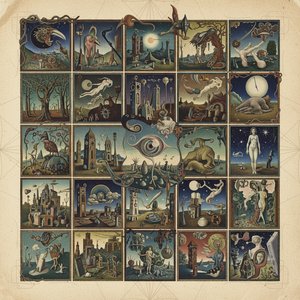
Max Ernst Mesterek: A 25 Leglenyűgözőbb Kép, Ami Megváltoztatja a Terét – AllPaintingsStore
Fedezze fel Max Ernst 25 legikonikusabb művét! Merüljön el a szürrealizmus, dadaizmus világában és ismerje meg a német festő álomképeit. Művészeti reprodukcióinkkal egyedi faliképekkel varázsolja otthonát galériává – AllPaintingsStore.

The Enduring Power of Painting: A Historical & Contemporary Exploration of Form and Emotion
Explore the rich history & enduring techniques of oil painting with AllPaintingsStore. Discover masterpieces, learn about art collecting, and find authentic handmade reproductions crafted by skilled artists.


