

Painting.

§ 1Catalogue data


Ez a műalkotás szerzői jogi védelem alatt áll
Az ezen az oldalon megjelenített műalkotások szerzői jogi védelem alatt állnak, ami azt jelenti, hogy törvényileg nem készíthetünk és nem adhatunk el belőlük pontos másolatokat. Ez a védelem olyan nemzetközi megállapodások alapján érvényesül, mint például a Berni Egyezmény és a nemzeti jogszabályok által, beleértve azokat is, amelyeket meghatározott Az USA szerzői jogi törvénye – 17. cím.
Mint tiszteletes és törvényes alternatívát, olyan egyedi, kézzel festett alkotásokat kínálunk, amelyek az eredetiből merítnek inspirációt. Tapasztalt és professzionális művészeink alaposan tanulmányozzák az eredeti stílusát, hangulatát és művészeti esszenciáját, hogy egy olyan új, egyedi alkotást hozzunk létre, amely ugyanazt az érzést kelti – miközben önálló, eredeti alkotásként létezik.
Ez a módszer teljes mértékben megfelel a szerzői jogi szabályozásnak, mivel nem tartalmazza a védett műalkotás másolását vagy duplikálását. Ehelyett ez egy kreatív újinterpretáció – egy új festmény, amely az eredetivel való összefüggései miatt hatással van rá, de nem az az.
 További információk
§ 2Abstract
A gyűjtemény leírása
Max Ernst’s "Untitled (2260)" presents a disquieting surreal landscape with clock towers and unsettling harmony, showcasing the artist's innovative frottage techniques and reflecting his engagement with Freud and Nietzsche. Discover this iconic Surrealist artwork and bring its dreamlike vision home.
A művész életrajza
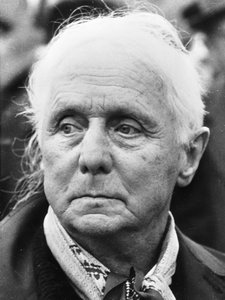
Max Ernst (1891-1976) szürrealista festő, dada művész! Innovatív technikákkal – frottázs, kollázs – ábrázolta a vágyakat, a tudattalanot és a fantáziát. #Ernst #Szürrealizmus #Dada
§ 3Commentary
A Descent into the Surreal Landscape
To encounter Max Ernst’s "Untitled (2260)" is to step through a threshold where the boundaries of reality begin to dissolve into the fluid logic of a dream. Created around 1937, this enigmatic masterpiece serves as a profound window into the Surrealist psyche, capturing a moment in time when the rational world felt increasingly fragile. The painting presents a landscape that is simultaneously familiar and deeply unsettling, featuring a central architectural structure—a clock tower that stands like a silent sentinel amidst a swirling, dreamlike environment. As the eye wanders across the canvas, it encounters a dynamic interplay of natural and artificial elements: mountains that seem to pulse with life, trees that twist in impossible directions, and a flock of birds that dance through an atmosphere thick with mystery. It is a scene that does not merely ask to be seen, but demands to be felt, pulling the viewer into a psychological labyrinth where every shadow holds a secret.
The emotional resonance of this work lies in its ability to evoke disquieting harmony. There is a strange, haunting beauty in the way Ernst juxtaposes the monumental stillness of the architecture with the frantic energy of the birds and the scattered human figures. For the collector or the interior designer, this piece offers more than just visual interest; it provides a focal point of intellectual depth. The painting captures the profound anxieties of the pre-war era, reflecting a world on the brink of transformation, yet it does so through a lens of breathtaking imagination. It is an artwork that breathes with the restless energy of the subconscious, making it an ideal centerpiece for spaces designed to inspire contemplation, conversation, and a sense of wonder.
The Alchemy of Texture and Technique
What truly distinguishes "Untitled (2260)" is Ernst’s revolutionary approach to the canvas itself. A pioneer of the frottage and grattage techniques, Ernst did not simply paint images; he engineered textures that suggest life beneath the surface. Through the meticulous process of rubbing charcoal or pencil over textured materials to transfer their impressions, he was able to create organic, unpredictable patterns that mimic the grain of wood, the roughness of stone, and the ethereal quality of clouds. In this work, these techniques coalesce to create a palpable sense of atmosphere. The surfaces are not flat; they are layered with a tactile complexity that invites the viewer to lean closer, searching for the hidden forms emerging from the grit and the grain.
This mastery of texture serves a higher symbolic purpose, bridging the gap between the physical world and the realm of the mind. By utilizing these experimental methods, Ernst bypassed the constraints of traditional representation, allowing the medium to dictate the imagery. This sense of controlled accident mirrors the Surrealist fascination with Freud’s theories of the unconscious—the idea that truth is found not in what we consciously plan, but in the spontaneous impulses that rise from our hidden depths. For those seeking a high-quality reproduction, capturing these subtle nuances of light and texture is essential, as it is within these intricate details that the true soul of Ernst’s vision resides.
A Legacy of Intellectual Rebellion
To understand the weight of "Untitled (2260)," one must consider the philosophical currents that shaped Max Ernst’s life. Deeply influenced by the provocative ideas of Nietzsche and the psychoanalytic breakthroughs of Freud, Ernst sought to liberate art from the suffocating grip of rational order. His work was a deliberate rebellion against the societal norms of his time, an attempt to reclaim the primal, irrational power of the human spirit. The landscape in this painting is not a depiction of a real place, but a map of a psychological state—a territory where the mechanical and the organic, the human and the monstrous, exist in a delicate, tension-filled balance.
Integrating such a profound piece into a modern collection allows for a dialogue between history and contemporary aesthetics. Whether placed in a minimalist gallery setting or a richly textured study, "Untitled (2260)" acts as a portal to another dimension. It remains a testament to the enduring power of Surrealism to challenge our perceptions and remind us that beneath the surface of our structured lives, there exists a vast, beautiful, and infinitely complex universe waiting to be explored.
Kérdések és válaszok
Mit ábrázol a „untitled (2260)”, Max Ernst alkotása, és milyen hangulatot áraszt?
A "untitled (2260)" című alkotás landscape, clock tower, birds, surrealism, dreamscape, texture, imagination témákat ábrázol, hangulata pedig Mystical.
Letölthető-e a(z) "untitled (2260)"?
A „untitled (2260)”, Max Ernst alkotása képe letölthető a mű Letöltés oldaláról: magas felbontású digitális kép letöltése.
Milyen érzelmi hangulat kíséri a "untitled (2260)" alkotás Surrealist Movement stílusát?
A Surrealist Movement irányzat részeként a "untitled (2260)" egy Mysterious hangulatban készült.


 Váltás nyomtatványra


 A bármely oldalsó méretét túlszálaló 105 cm (kb. 41 hüvelyk) meghaladó műalkotások vagy reprodukciók esetében a keret összeszerelhető készletként, szétszerelve kerül szállításra. Ez a módszer biztosítja a biztonságos szállítást, és megakadályozza a szállítás során fellépő sérüléseket.


