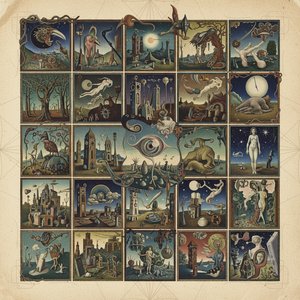
Acrylic On Canvas.

§ 1Catalogue data


Ez a műalkotás szerzői jogi védelem alatt áll
Az ezen az oldalon megjelenített műalkotások szerzői jogi védelem alatt állnak, ami azt jelenti, hogy törvényileg nem készíthetünk és nem adhatunk el belőlük pontos másolatokat. Ez a védelem olyan nemzetközi megállapodások alapján érvényesül, mint például a Berni Egyezmény és a nemzeti jogszabályok által, beleértve azokat is, amelyeket meghatározott Az USA szerzői jogi törvénye – 17. cím.
Mint tiszteletes és törvényes alternatívát, olyan egyedi, kézzel festett alkotásokat kínálunk, amelyek az eredetiből merítnek inspirációt. Tapasztalt és professzionális művészeink alaposan tanulmányozzák az eredeti stílusát, hangulatát és művészeti esszenciáját, hogy egy olyan új, egyedi alkotást hozzunk létre, amely ugyanazt az érzést kelti – miközben önálló, eredeti alkotásként létezik.
Ez a módszer teljes mértékben megfelel a szerzői jogi szabályozásnak, mivel nem tartalmazza a védett műalkotás másolását vagy duplikálását. Ehelyett ez egy kreatív újinterpretáció – egy új festmény, amely az eredetivel való összefüggései miatt hatással van rá, de nem az az.
 További információk
§ 2Abstract
A gyűjtemény leírása
Surrealist masterpiece by Max Ernst featuring a striking elephant with a pipe trunk and airplanes, embodying the artist’s intellectual exploration of the subconscious. Discover this iconic work and bring its imaginative atmosphere into your space.
A művész életrajza
Max Ernst (1891-1976) szürrealista festő, dada művész! Innovatív technikákkal – frottázs, kollázs – ábrázolta a vágyakat, a tudattalanot és a fantáziát. #Ernst #Szürrealizmus #Dada
§ 3Commentary
Unveiling the Dreamscape: Max Ernst's "Untitled (4116)"
Max Ernst’s “Untitled (4116)” is not merely a painting; it’s an immersion into the subconscious, a meticulously crafted descent into the surreal logic of dreams. Executed by one of the 20th century’s most influential figures in Surrealism, this artwork embodies Ernst's lifelong fascination with psychological exploration and his deliberate rejection of conventional artistic constraints. The image immediately confronts the viewer with a startling juxtaposition: a colossal elephant, rendered with Ernst’s signature meticulous technique – likely utilizing techniques such as frottage or grattage – becomes an instrument of industrial intrusion, its trunk transformed into a pipe, a conduit for unseen forces. This central motif speaks to anxieties surrounding technological advancement and humanity's relationship with the natural world, themes prevalent in Ernst’s oeuvre.
A Symphony of Disruption: Style and Technique
- Surrealist Vision: The painting is a quintessential example of Surrealism, prioritizing emotional impact and symbolic resonance over representational accuracy. Ernst sought to unlock the power of the unconscious mind, believing that art should bypass rational thought and tap into primal instincts.
- Technical Mastery: Despite its dreamlike quality, “Untitled (4116)” demonstrates Ernst’s exceptional technical skill. The precise rendering of the elephant's form, combined with the chaotic arrangement of airplanes and the subtle details of the cloth held in its mouth, reveals a deliberate and controlled hand.
- Ernst’s Processes: It is highly probable that Ernst employed techniques such as frottage (rubbing textured surfaces) or grattage (scraping paint from a canvas) to achieve the layered, almost tactile quality of the work. These methods were central to his exploration of chance and automatism – allowing subconscious impulses to guide the creative process.
Decoding the Symbolism: A Landscape of Anxiety
The composition of “Untitled (4116)” is rich with symbolic potential. The elephant, a recurring motif in Ernst’s work, often represents primal instincts and the burden of history. Its transformed trunk – a pipe – suggests a disruption of natural order, perhaps symbolizing the encroachment of industry upon the wilderness. The scattered airplanes evoke a sense of displacement and alienation, reflecting anxieties about modernity and the loss of connection to nature. The lone figure in the lower right corner adds another layer of mystery, possibly representing humanity’s vulnerability within this unsettling landscape. Even the birds, positioned at opposite ends of the composition, could be interpreted as symbols of freedom or perhaps as harbingers of impending doom.
Historical Context and Ernst's Legacy
Created in the aftermath of World War I, “Untitled (4116)” reflects the widespread disillusionment and psychological trauma that characterized the early 20th century. Surrealism emerged as a direct response to these anxieties, offering an alternative mode of expression that embraced irrationality and challenged conventional notions of reality. Max Ernst’s work, alongside that of artists like Dalí and Magritte, profoundly influenced subsequent generations of artists and continues to resonate with audiences today. His exploration of the subconscious, his innovative techniques, and his unwavering commitment to artistic freedom cemented his place as a pivotal figure in the history of modern art. This piece stands as a testament to his enduring vision – a powerful reminder that the most profound truths often lie hidden within the depths of our dreams.
Kérdések és válaszok
Szabadon reprodukálható-e a/az „untitled (4116)”, Max Ernst alkotása képe?
A „untitled (4116)”, Max Ernst alkotása szerzői jogi státusza: a mű még szerzői jog védi. Ez határozza meg, hogy a kép másolatai szabadon készíthetők-e.
Hogyan illeszkedik a "untitled (4116)" Max Ernst témáiba és stílusába?
A "untitled (4116)" Max Ernst Surrealist Movement korszakának alkotása, melynek témakörében surrealist exploration, psychological themes, disillusionment, societal critique, max ernst’s inventive spirit, recurring dreamlike imagery”, “complex symbolic narratives is feltűlik.
Van-e útmutató a(z) „untitled (4116)”, Max Ernst alkotása alkotáshoz?
A „untitled (4116)”, Max Ernst alkotása Útmutató oldala egy kinyomtatható, kétoldalas információs adatlapot kínál: magát a műalkotást az azonosító táblázattal, egy időrendi sávot, amely a művész életkorába helyezi a alkotást, a művész további treballatait, a megmért színpalettát, valamint négy különböző stílusban, azonnal másolható idézeteket.



 Váltás nyomtatványra


 A bármely oldalsó méretét túlszálaló 105 cm (kb. 41 hüvelyk) meghaladó műalkotások vagy reprodukciók esetében a keret összeszerelhető készletként, szétszerelve kerül szállításra. Ez a módszer biztosítja a biztonságos szállítást, és megakadályozza a szállítás során fellépő sérüléseket.