Acrylic On Canvas.

§ 1Catalogue data


Ez a műalkotás szerzői jogi védelem alatt áll
Az ezen az oldalon megjelenített műalkotások szerzői jogi védelem alatt állnak, ami azt jelenti, hogy törvényileg nem készíthetünk és nem adhatunk el belőlük pontos másolatokat. Ez a védelem olyan nemzetközi megállapodások alapján érvényesül, mint például a Berni Egyezmény és a nemzeti jogszabályok által, beleértve azokat is, amelyeket meghatározott Az USA szerzői jogi törvénye – 17. cím.
Mint tiszteletes és törvényes alternatívát, olyan egyedi, kézzel festett alkotásokat kínálunk, amelyek az eredetiből merítnek inspirációt. Tapasztalt és professzionális művészeink alaposan tanulmányozzák az eredeti stílusát, hangulatát és művészeti esszenciáját, hogy egy olyan új, egyedi alkotást hozzunk létre, amely ugyanazt az érzést kelti – miközben önálló, eredeti alkotásként létezik.
Ez a módszer teljes mértékben megfelel a szerzői jogi szabályozásnak, mivel nem tartalmazza a védett műalkotás másolását vagy duplikálását. Ehelyett ez egy kreatív újinterpretáció – egy új festmény, amely az eredetivel való összefüggései miatt hatással van rá, de nem az az.
 További információk
§ 2Abstract
A gyűjtemény leírása
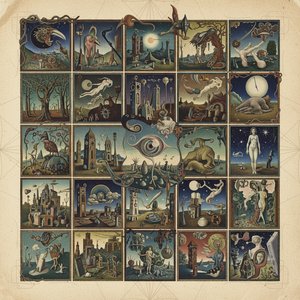
Surrealist masterpiece by Max Ernst featuring a captivating bird with butterfly wings and intricate details, embodying the artist's pioneering spirit from the Dada and Surrealist movements – discover or own this iconic artwork.
A művész életrajza
Max Ernst (1891-1976) szürrealista festő, dada művész! Innovatív technikákkal – frottázs, kollázs – ábrázolta a vágyakat, a tudattalanot és a fantáziát. #Ernst #Szürrealizmus #Dada
§ 3Commentary
Unveiling the Enigma: Max Ernst's "Untitled (6976)"
Max Ernst’s “Untitled (6976)” is not merely a painting; it’s an immersion into the subconscious, a meticulously crafted dreamscape rendered with the unsettling beauty characteristic of the surrealist movement. This captivating artwork, featuring a central bird figure dramatically set against a deep, absorbing darkness, immediately draws the viewer into a world where logic yields to intuition and the familiar transforms into the bizarre. The painting’s power resides in its ambiguity – a deliberate refusal to offer easy answers, inviting endless contemplation about nature, symbolism, and the very act of perception.
A Surrealist Genesis: Max Ernst and His Techniques
- The Artist's Vision: Born in 1891 in Brühl, Germany, Max Ernst was a pivotal figure in the early development of surrealism. Rejecting traditional academic training, he embraced experimentation, utilizing techniques like frottage (rubbing textures onto paper) and decalcomania (spreading paint on a surface to create random patterns) to unlock his subconscious and translate its imagery directly onto canvas.
- Color and Texture: Ernst’s masterful use of color – vibrant blues, greens, and ochres juxtaposed against the dominant darkness – creates a dynamic tension. The textures are deliberately rough and uneven, reflecting the artist's process and contributing to the painting’s unsettling atmosphere.
- Compositional Drama: The arrangement of the birds, with their elongated beaks and dragonfly-like wings, generates a sense of movement and unease. The dark background amplifies this effect, isolating the figures and intensifying their symbolic weight.
Decoding the Symbolism: Birds, Objects, and the Unconscious
The central bird in “Untitled (6976)” is a potent symbol, open to multiple interpretations within the context of Ernst’s work and surrealist thought. The resemblance to both a butterfly and a dragonfly suggests transformation, metamorphosis, and perhaps even the duality of nature – beauty alongside danger. The object held in the bird's beak remains deliberately obscured, adding another layer of mystery and inviting speculation about its significance. Birds have long been associated with spirituality, freedom, and communication—elements frequently explored by Ernst through his art.
Historical Context: Dadaism and the Rise of Surrealism
"Untitled (6976)" emerged from a period of profound social and artistic upheaval following World War I. The disillusionment with reason and traditional values fueled the rise of Dadaism, an anti-art movement that challenged established norms through absurdity and provocation. Ernst quickly moved beyond Dada’s nihilistic tendencies to embrace the more constructive aims of surrealism, which sought to unlock the creative potential of the unconscious mind. This painting exemplifies the surrealist interest in exploring dreams, myths, and primitive imagery as sources of artistic inspiration – a direct response to the anxieties of the modern age.
Kérdések és válaszok
Milyen módon kapcsolódik össze a „untitled (6976)”, Max Ernst alkotása a Surrealist Movement irányzatot a művész honcountryjához?
A Surrealist Movement korszak alkotása, a "untitled (6976)", egy Németország-ban született művész munkája.
Melyik helyiségbe illik jól a "untitled (6976)" reprodukciója az otthonunkban?
A „untitled (6976)”, Max Ernst alkotása számára a javasolt helyszín egy Living Room. Természetesen ez az ajánlás az Ön belső terehez is igazítható.
Milyen szín vezeti a „untitled (6976)”, Max Ernst alkotása kompozícióját?
A „untitled (6976)”, Max Ernst alkotása domináns színe a Phthalo Green (#1b2939).


 Váltás nyomtatványra


 A bármely oldalsó méretét túlszálaló 105 cm (kb. 41 hüvelyk) meghaladó műalkotások vagy reprodukciók esetében a keret összeszerelhető készletként, szétszerelve kerül szállításra. Ez a módszer biztosítja a biztonságos szállítást, és megakadályozza a szállítás során fellépő sérüléseket.