


 Előnézet
 Megosztás
 Megosztás
 Részletek
 Útmutató

 Letöltés
 Hasonló darabok
 X-ray felvétel
 Diavetítés
 Statisztika
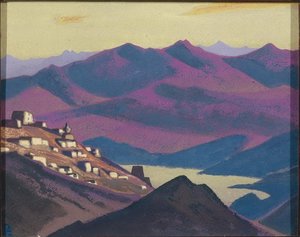
Mountain Abode


 Tovább olvasom
Giclée / Műnyomat
Múzeumi minőségű giclée vagy vászonnyomat, gyors gyártással és rugalmas finomítási lehetőségekkel. ( Kézzel festett másolat vásárlása Áttérés digitális képre)




P118B Ft10

P118H Ft10

P118W Ft10

P438Z Ft10

P508JH Ft12

P508YH Ft12

P805H Ft10

P805Z Ft10

P919BZ Ft10

P919G Ft10

P919XJ Ft10

P959ZH Ft10

P968JZ Ft12

W106C Ft8

W218G Ft10

W218JH Ft8

W218Y Ft10

W307PJ Ft10

W316G Ft10

W316PJ Ft8

W316Y Ft10

W398PJ Ft8

W4111J Ft10

W500HY Ft15

W500JH Ft15

W692G Ft12

W849H Ft8

W940BG Ft15

W953PJ Ft8




Válasszon előre meghatározott méreteink közül, amelyek megfelelnek a műalkotás eredeti arányainak.

Írja be a keretének vagy a falának megfelelő szélességet és magasságot. A nyomatot csak le lehet vágni, soha nem tehető nagyobbá, mint az eredeti kép, így egy eltérő alakú méretnél a kép egy része elveszik. Mielőtt bármit kinyatintanánk, küldünk egy digitális próbamodellt jóváhagyásra. Az oldalon látható kép nem tartalmazza a valós levágást — ezt csak a próbamodell mutatja meg.
Világszerte történő kiszállítás területére mindössze 2 hét alatt, a szokásos 4-5 hét helyett. (23 október)

Ingyenes globális expressz szállítás

Prémium minőségű len vászon

Teljes körű szállítási biztosítás

Vámvisszatérítési Garancia

Tökéletes színarányosság garancia

100 napos visszaküldési garancia (csak gyártási hibás termékek esetén)

100% pénzvisszatérítési garancia

Több darab vásárlásakor kedvezmény
 Az üvegkeretes opció csak 110 cm alatti méretben érhető el

Mountain Abode
Giclée / Műnyomat
Reprodukció méretei
-


Összesített ár
Ft 20575
Nicholas Roerich’s “Mountain Abode”: A Symphony of Spirit and Landscape
Nicholas Roemerich's "Mountain Abode," painted in 1933, is more than just a depiction of a breathtaking alpine scene; it’s a profound meditation on the relationship between humanity and nature, infused with the artist’s deeply held spiritual beliefs. The painting immediately draws the viewer into a realm of serene majesty, dominated by the imposing presence of a snow-capped mountain range that stretches across the canvas, creating an almost overwhelming sense of scale and grandeur. Below, nestled within the valley, lies a small town – a cluster of human activity offering a poignant counterpoint to the raw power of the landscape.
- Subject Matter: The primary subject is a classic Romantic landscape—a towering mountain range, a picturesque village, and the interplay between man-made structures and the natural world.
- Style & Technique: Roerich’s style exemplifies his unique approach, blending elements of Russian Realism with Symbolist influences. He employs a meticulous technique characterized by layered brushstrokes and a rich, almost luminous palette dominated by blues, whites, and grays, capturing the ethereal quality of snow and light on the mountain peaks. The use of glazing—applying thin layers of translucent paint over dried underlayers—creates an incredible depth and luminosity, enhancing the sense of atmosphere.
Historical Context: Roerich’s Visionary Pursuit
Created in 1933, “Mountain Abode” reflects a pivotal moment in Nicholas Roerich's artistic journey. Following his archaeological expeditions to Central Asia and Tibet, he developed a deeply spiritual worldview, believing that art could be a vehicle for transmitting universal human values and promoting peace. This conviction is powerfully evident in works like this one, where the landscape isn’t merely observed but imbued with symbolic meaning. Roerich was profoundly influenced by esoteric traditions, particularly those of the East, which informed his artistic vision and his tireless advocacy for cultural preservation and international understanding.
- Roerich's Beliefs: The painting embodies Roerich’s belief in a “Living Earth,” a concept rooted in the idea that the planet possesses an inherent spiritual energy.
- The 1930s Context: Painted during a period of rising international tensions, the work subtly conveys a message of harmony and interconnectedness – a powerful antidote to the growing sense of conflict.
Symbolism & Emotional Impact
The dominant snow-capped peak serves as a potent symbol of tranquility, resilience, and spiritual aspiration—a visual representation of reaching for enlightenment. The small town below represents human settlement and activity, yet it’s dwarfed by the mountain, suggesting humanity's place within the grand scheme of nature. The scattered figures within the scene add to the painting’s emotional resonance, evoking a sense of wonder, contemplation, and perhaps even a touch of melancholy as viewers consider their own relationship with the natural world. Roerich aimed to evoke a feeling of awe and reverence for the sublime beauty of the mountains.
- Color Symbolism: The dominant blues and whites represent purity, spirituality, and the vastness of the heavens.
- Compositional Balance: The carefully balanced composition creates a sense of stability and harmony, reflecting Roerich’s belief in universal order.
A Timeless Masterpiece – Perfect for Your Space
“Mountain Abode” is a captivating artwork that transcends its historical context to speak directly to the human spirit. Whether adorning a grand salon or a cozy study, this reproduction captures the essence of Roerich’s visionary style and his profound connection to nature. Its serene beauty and symbolic depth make it an ideal addition to any collection, offering a moment of quiet contemplation and inspiring a sense of wonder within your home.
Gyakran Ismételt Kérdések
A „Mountain Abode”, Roerich, Nicholas alkotása a keresett Roerich Romanticism művészeti alkotások közé tartozik?
A „Mountain Abode”, Roerich, Nicholas alkotása a Recognized kategóriába tartozik, és a Roerich Romanticism irányzat részeként tekinthető.
Milyen témát és hangulatot ötvöz a „Mountain Abode”, Roerich, Nicholas alkotása?
A „Mountain Abode”, Roerich, Nicholas alkotása mountains, landscape, roerich, snowscape, townscape, peaceful, nicholas roerich-t ábrázol, Serene hangulatban. A tárgy és a légkör együtt határozza meg a művet.
Hogyan írható le „Mountain Abode”, Roerich, Nicholas alkotása hangulata?
A "Mountain Abode" Serene hangulatú.
Hasonló műalkotások




A művész életrajza
A Life Immersed in Art and Spirit
Nicholas Roerich, born October 9, 1874, in the vibrant cultural heart of Saint Petersburg, Russia, was a figure whose life transcended the boundaries of artistic expression. He wasn’t merely a painter; he was an archaeologist, a writer, a philosopher, and a tireless advocate for peace and cultural preservation. His upbringing, steeped in both intellectual rigor – his father was a notary public – and artistic appreciation thanks to his mother, laid the foundation for a remarkably multifaceted career. Roerich simultaneously pursued studies in law and art at St. Petersburg University and the Imperial Academy of Arts beginning in 1893, demonstrating an early commitment to a broad understanding of the world. This dual path wasn’t contradictory for him; rather, it reflected a belief that artistic vision needed grounding in historical context and intellectual discipline. He received his artist designation in 1897 and completed his law degree the following year, setting the stage for a life dedicated to both creative exploration and reasoned action.The Allure of Symbolism and Theatrical Innovation
Roerich’s artistic development was profoundly shaped by the currents of Russian Symbolism, a movement that sought to evoke emotional and spiritual depths through evocative imagery and suggestive forms. He quickly became involved with Sergei Diaghilev's influential “World of Art” society, eventually assuming its presidency from 1910 to 1916. This association proved pivotal, exposing him to a network of innovative artists, composers, and thinkers who were redefining the landscape of Russian art. His early work revealed a fascination with archaeology and stage design, leading to groundbreaking collaborations with Diaghilev’s Ballets Russes. Roerich's designs for productions like Alexander Borodin's *Prince Igor* (1909) and, most famously, Igor Stravinsky’s revolutionary *The Rite of Spring* (1913), were not simply backdrops; they were integral components of the theatrical experience. He blended meticulous historical research with a bold imaginative vision, creating visually stunning environments that amplified the emotional power of the music and choreography. These designs weren't merely decorative; they were attempts to evoke primordial forces and ancient rituals, reflecting the Symbolist interest in myth and spirituality. His work was also influenced by apocrypha and medieval sectarian writings like the Dove Book, adding layers of esoteric meaning to his artistic creations.A Journey Towards Mysticism and Himalayan Visions
As Roerich’s career progressed, his paintings underwent a significant transformation, increasingly embracing mystical and spiritual themes. This shift was fueled by his growing interest in Theosophy and Eastern religions, philosophies that emphasized the interconnectedness of all things and the pursuit of inner wisdom. His *Architectural Studies* series (1904–1905) showcased not only his architectural skill but also a deep commitment to preserving cultural heritage, foreshadowing his later advocacy for protecting art during times of conflict. Recurring motifs began to emerge in his work: majestic landscapes, ancient cities shrouded in mystery, and figures imbued with spiritual significance like St. Panteleimon and Kuan Yin. He embarked on extensive travels throughout Central Asia, conducting archaeological research and documenting ancient cultures, experiences that deeply informed his artistic vision and reinforced his belief in the importance of cultural understanding. The Himalayas became a central subject in his paintings, representing not just a geographical location but a realm of profound spiritual power and enlightenment.Key Works & Continuing Relevance
- Saint Nicholas: A detailed monochrome mural showcasing medieval art and heraldic symbolism.
- City: Evocative depictions of ancient urban landscapes, reflecting his archaeological interests.
- Lake of the Nagas: A tempera painting blending symbolism and nature, exemplifying his unique artistic vision.
A Pioneer of Cultural Preservation
Beyond his artistic achievements, Nicholas Roerich was a passionate advocate for the protection of cultural treasures. Recognizing the devastating impact of war on art and architecture, he dedicated much of his life to promoting international cooperation in safeguarding these invaluable legacies. He spearheaded the creation of the Roerich Pact in 1935 – an international treaty designed to prevent the destruction of cultural objects during armed conflicts. This initiative garnered him widespread recognition and numerous nominations for the Nobel Peace Prize, underscoring his profound humanitarianism and commitment to a world where culture is valued and protected. His tireless efforts stand as a testament to the belief that art and heritage are essential components of human civilization, deserving of our utmost care and respect.
Roerich, Nicholas
1874 - 1947 , Oroszország
Gyors információk
- Artistic Movement Or Style: Szimbolizmus, Spirituális művészet
- Artists Or Movements Influenced By This Artist: ['Orosz szimbolizmus']
- Artists Who Influenced This Artist:
- Diaghilev
- Stasov
- Date Of Birth: 1874. okt. 9.
- Date Of Death: 1947. dec. 13.
- Full Name: Nicholas Roerich
- Nationality: Orosz
- Notable Artworks:
- Szent Miklós
- Város
- Nagas-tavaszi tó
- Place Of Birth: Szentpétervár, Oroszország
Kapcsolódó cikkek

Katsushika Hokusai 25 Mesterműve: A Japán Art Élmény, Otthonodban – AllPaintingsStore
Fedezze fel Katsushika Hokusai 25 legikonikusabb műalkotását! Merüljön el a japán ukiyo-e világában, ismerje meg a 'Nagy Hullám' történetét és más remekműveket. Museum minőségű reprodukciók otthonába – AllPaintingsStore.com.
John Constable 25 Mesterműve: A Természet Lényege Vászonon – AllPaintingsStore.com
Fedezze fel John Constable 25 legszebb művészeti alkotását! Ismerje meg a romantika ikonikus tájképeit, Dedham Vale szépségét és a természet lenyűgöző ábrázolásait. Vászonkép reprodukcióinkkal eleganciát csempészhet otthonába – AllPaintingsStore.com

A Romantikus Tájképfestészet 10 Legikonikusabb Műalkotása – AllPaintingsStore.com
Fedezze fel a romantikus tájképfestészet 10 legikonikusabb műalkotását! Caspar David Friedrich, J.M.W. Turner és más mesterek festményeinek története – inspiráló olajfestmények otthonába. AllPaintingsStore.com: múzeumi minőségű reprodukciók és egyedi dekorációk online.

Giclée Prints: Archival Quality & Aesthetic Nuances for the Discerning Collector
Explore the world of giclée prints with AllPaintingsStore. Learn about archival quality, aesthetic nuances & investment potential. Expert guidance for discerning art collectors seeking museum-quality reproductions and lasting value.

Nicholas Roerich: Mysticism, Mountains & the Search for Ageless Wisdom in Art
Explore the captivating art of Nicholas Roerich – a visionary painter whose Himalayan landscapes blend spiritual mysticism with cultural preservation. Discover his legacy & symbolism.


