


 Megtekintés
 Küldés
 Megosztás
 Részletek
 Útmutató

 Letöltés
 Hasonló darabok
 X-ray felvétel
 Diavetítés
 Kérdések és válaszok
 Statisztika
Varangian way


 Összes részlet megjelenítése
Giclée / Műnyomat
Múzeumi minőségű giclée vagy vászonnyomat, gyors gyártással és rugalmas finomítási lehetőségekkel. ( Kézzel festett másolat rendelése Áttérés digitális képre)




P118B Ft10

P118H Ft10

P118W Ft10

P438Z Ft10

P508JH Ft12

P508YH Ft12

P805H Ft10

P805Z Ft10

P919BZ Ft10

P919G Ft10

P919XJ Ft10

P959ZH Ft10

P968JZ Ft12

W106C Ft8

W218G Ft10

W218JH Ft8

W218Y Ft10

W307PJ Ft10

W316G Ft10

W316PJ Ft8

W316Y Ft10

W398PJ Ft8

W4111J Ft10

W500HY Ft15

W500JH Ft15

W692G Ft12

W849H Ft8

W940BG Ft15

W953PJ Ft8




Válasszon előre meghatározott méreteink közül, amelyek megfelelnek a műalkotás eredeti arányainak.

Írja be a keretének vagy a falának megfelelő szélességet és magasságot. A nyomatot csak le lehet vágni, soha nem tehető nagyobbá, mint az eredeti kép, így egy eltérő alakú méretnél a kép egy része elveszik. Mielőtt bármit kinyatintanánk, küldünk egy digitális próbamodellt jóváhagyásra. Az oldalon látható kép nem tartalmazza a valós levágást — ezt csak a próbamodell mutatja meg.
Világszerte történő kiszállítás területére mindössze 2 hét alatt, a szokásos 4-5 hét helyett. (9 november)

Ingyenes globális expressz szállítás

Prémium minőségű len vászon

Teljes körű szállítási biztosítás

Vámvisszatérítési Garancia

Hiteles színarányosság garancia

100 napos visszaküldési lehetőség (csak hibás termékek esetén)

100% pénzvisszatérítési garancia

Több darab vásárlásakor kedvezmény
 Az üvegkeretes opció csak 110 cm alatti méretben érhető el

Varangian way
Giclée / Műnyomat
Reprodukció mérete
-


Összesített ár
Ft 21197
A Voyage Through Spirit and Stone
In the quietude of 1907, Nicholas Roerich captured a moment that transcends mere geography, inviting the viewer into a realm where the physical world dissolves into the spiritual. “Varangian Way” is not simply a painting of a journey across water; it is an immersive experience into the heart of Symbolism. As a canoe glides through calm, crystalline waters, surrounded by the imposing presence of rugged rocks and towering mountains, the piece establishes a profound dialogue between humanity and the eternal. For the discerning collector or interior designer, this work offers more than visual beauty; it provides a window into a meditative state, where the rhythmic movement of the boat serves as a metaphor for the soul's quest for harmony and resilience.
Roerich’s mastery is most evident in his rejection of strict realism in favor of an emotive, luminous technique. To achieve the ethereal quality that defines this masterpiece, he employed sophisticated layering, applying thin glazes over thicker underpaintings to create a sense of inner light. This method allows the colors to glow from within, capturing the subtle gradations of sunlight as it diffuses across the landscape. The composition is a delicate balance of textures—the smooth, reflective surface of the water contrasting sharply with the ancient, weathered surfaces of the surrounding cliffs. This interplay of light and shadow creates a depth that draws the eye inward, making the painting an ideal focal point for spaces designed to inspire contemplation and peace.
The Symbolism of the Eternal Journey
Beyond its breathtaking aesthetics, “Varangian Way” is steeped in the philosophical inquiries that defined Roerich’s life. As a polymath deeply influenced by Tibetan Buddhist traditions and the majesty of the Himalayas, Roerich imbued every element of this scene with symbolic weight. The mountains are not merely scenery; they represent stability, permanence, and the unshakeable connection between the earthly realm and the cosmos. The boat itself, carrying figures in traditional attire, becomes a vessel for exploration and the collective human spirit navigating the currents of existence. This layer of meaning transforms the artwork from a landscape into a visual pilgrimage.
For those seeking to adorn a home or gallery with art that possesses narrative depth, this piece offers an inexhaustible well of inspiration. The emotional resonance of the work—a unique blend of tranquility and mystery—makes it a versatile addition to sophisticated interiors. Whether placed in a sun-drenched study or a quiet sanctuary, a high-quality reproduction of “Varangian Way” brings with it the aura of the ancient and the divine. It is an invitation to pause, to breathe, and to embark on one's own internal journey through the enduring legacy of one of Russia’s most visionary masters.
Kérdések és válaszok
Milyen érzelmet közvetít a „Varangian way”, Roerich, Nicholas alkotása?
A „Varangian way”, Roerich, Nicholas alkotása művészeti alkotás érzelmi tónusa Mysterious. Ez foglalja össze a mű által kifejezett érzést.
Milyen összefüggésben áll a "Varangian way" témája Roerich, Nicholas megszokott motíveivel?
Roerich, Nicholas ismétlődő témái közé tartozik a symbolic imagery, himalayan inspiration, spiritual quest, cultural heritage, artistic legacy; a „Varangian way” fókuszál a landscape, boats, tradition, mysticism, exploration, mountains, symbolism témakörre.
Mi a "Varangian way" formátuma?
A „Varangian way”, Roerich, Nicholas alkotása Square formátumú alkotás. A formátum a kompozíció arányait határozza meg.
Hasonló műalkotások


A művész életrajza
A Life Immersed in Art and Spirit
Nicholas Roerich, born October 9, 1874, in the vibrant cultural heart of Saint Petersburg, Russia, was a figure whose life transcended the boundaries of artistic expression. He wasn’t merely a painter; he was an archaeologist, a writer, a philosopher, and a tireless advocate for peace and cultural preservation. His upbringing, steeped in both intellectual rigor – his father was a notary public – and artistic appreciation thanks to his mother, laid the foundation for a remarkably multifaceted career. Roerich simultaneously pursued studies in law and art at St. Petersburg University and the Imperial Academy of Arts beginning in 1893, demonstrating an early commitment to a broad understanding of the world. This dual path wasn’t contradictory for him; rather, it reflected a belief that artistic vision needed grounding in historical context and intellectual discipline. He received his artist designation in 1897 and completed his law degree the following year, setting the stage for a life dedicated to both creative exploration and reasoned action.The Allure of Symbolism and Theatrical Innovation
Roerich’s artistic development was profoundly shaped by the currents of Russian Symbolism, a movement that sought to evoke emotional and spiritual depths through evocative imagery and suggestive forms. He quickly became involved with Sergei Diaghilev's influential “World of Art” society, eventually assuming its presidency from 1910 to 1916. This association proved pivotal, exposing him to a network of innovative artists, composers, and thinkers who were redefining the landscape of Russian art. His early work revealed a fascination with archaeology and stage design, leading to groundbreaking collaborations with Diaghilev’s Ballets Russes. Roerich's designs for productions like Alexander Borodin's *Prince Igor* (1909) and, most famously, Igor Stravinsky’s revolutionary *The Rite of Spring* (1913), were not simply backdrops; they were integral components of the theatrical experience. He blended meticulous historical research with a bold imaginative vision, creating visually stunning environments that amplified the emotional power of the music and choreography. These designs weren't merely decorative; they were attempts to evoke primordial forces and ancient rituals, reflecting the Symbolist interest in myth and spirituality. His work was also influenced by apocrypha and medieval sectarian writings like the Dove Book, adding layers of esoteric meaning to his artistic creations.A Journey Towards Mysticism and Himalayan Visions
As Roerich’s career progressed, his paintings underwent a significant transformation, increasingly embracing mystical and spiritual themes. This shift was fueled by his growing interest in Theosophy and Eastern religions, philosophies that emphasized the interconnectedness of all things and the pursuit of inner wisdom. His *Architectural Studies* series (1904–1905) showcased not only his architectural skill but also a deep commitment to preserving cultural heritage, foreshadowing his later advocacy for protecting art during times of conflict. Recurring motifs began to emerge in his work: majestic landscapes, ancient cities shrouded in mystery, and figures imbued with spiritual significance like St. Panteleimon and Kuan Yin. He embarked on extensive travels throughout Central Asia, conducting archaeological research and documenting ancient cultures, experiences that deeply informed his artistic vision and reinforced his belief in the importance of cultural understanding. The Himalayas became a central subject in his paintings, representing not just a geographical location but a realm of profound spiritual power and enlightenment.Key Works & Continuing Relevance
- Saint Nicholas: A detailed monochrome mural showcasing medieval art and heraldic symbolism.
- City: Evocative depictions of ancient urban landscapes, reflecting his archaeological interests.
- Lake of the Nagas: A tempera painting blending symbolism and nature, exemplifying his unique artistic vision.
A Pioneer of Cultural Preservation
Beyond his artistic achievements, Nicholas Roerich was a passionate advocate for the protection of cultural treasures. Recognizing the devastating impact of war on art and architecture, he dedicated much of his life to promoting international cooperation in safeguarding these invaluable legacies. He spearheaded the creation of the Roerich Pact in 1935 – an international treaty designed to prevent the destruction of cultural objects during armed conflicts. This initiative garnered him widespread recognition and numerous nominations for the Nobel Peace Prize, underscoring his profound humanitarianism and commitment to a world where culture is valued and protected. His tireless efforts stand as a testament to the belief that art and heritage are essential components of human civilization, deserving of our utmost care and respect.
Roerich, Nicholas
1874 - 1947 , Oroszország
Rövid információk
- Artistic Movement Or Style: Szimbolizmus, Spirituális művészet
- Artists Or Movements Influenced By This Artist: ['Orosz szimbolizmus']
- Artists Who Influenced This Artist:
- Diaghilev
- Stasov
- Date Of Birth: 1874. okt. 9.
- Date Of Death: 1947. dec. 13.
- Full Name: Nicholas Roerich
- Nationality: Orosz
- Notable Artworks:
- Szent Miklós
- Város
- Nagas-tavaszi tó
- Place Of Birth: Szentpétervár, Oroszország
Kapcsolódó cikkek

Nicholas Roerich: Mysticism, Mountains & the Search for Ageless Wisdom in Art
Explore the captivating art of Nicholas Roerich – a visionary painter whose Himalayan landscapes blend spiritual mysticism with cultural preservation. Discover his legacy & symbolism.
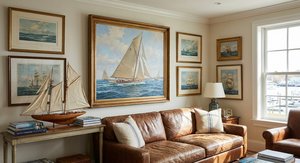
A művészet vitorlái: 10 ikonikus hajóábrázolás a festészetben | AllPaintingsStore
Fedezze fel a művészet vitorláit! 10 ikonikus hajóábrázolás Monet-tól Manet-ig. Ismerje meg a festmények történetét, technikáját és inspirációját. Luxus reprodukciók otthonra – AllPaintingsStore.com

John Constable 25 Mesterműve: A Természet Lényege Vászonon – AllPaintingsStore.com
Fedezze fel John Constable 25 legszebb művészeti alkotását! Ismerje meg a romantika ikonikus tájképeit, Dedham Vale szépségét és a természet lenyűgöző ábrázolásait. Vászonkép reprodukcióinkkal eleganciát csempészhet otthonába – AllPaintingsStore.com

A Romantikus Tájképfestészet 10 Legikonikusabb Műalkotása – AllPaintingsStore.com
Fedezze fel a romantikus tájképfestészet 10 legikonikusabb műalkotását! Caspar David Friedrich, J.M.W. Turner és más mesterek festményeinek története – inspiráló olajfestmények otthonába. AllPaintingsStore.com: múzeumi minőségű reprodukciók és egyedi dekorációk online.

Evocations of Place: A Historical Journey Through Landscape Art
Explore the rich history of landscape art with AllPaintingsStore. Discover renowned artists, movements like Impressionism & Romanticism, and expert guidance for collecting timeless pieces. Find your perfect serene escape today!


