


 Megtekintés
 Küldés
 Megosztás
 Részletek
 Útmutató

 Letöltés
 Hasonló darabok
 X-ray felvétel
 Diavetítés
 Statisztika
Closed Eyes


 Összes részlet megjelenítése
Giclée / Műnyomat
Múzeumi minőségű giclée vagy vászonnyomat, gyors gyártással és rugalmas finomítási lehetőségekkel. ( Kézzel festett másolat rendelése Áttérés digitális képre)




P118B Ft10

P118H Ft10

P118W Ft10

P438Z Ft10

P508JH Ft12

P508YH Ft12

P805H Ft10

P805Z Ft10

P919BZ Ft10

P919G Ft10

P919XJ Ft10

P959ZH Ft10

P968JZ Ft12

W106C Ft8

W218G Ft10

W218JH Ft8

W218Y Ft10

W307PJ Ft10

W316G Ft10

W316PJ Ft8

W316Y Ft10

W398PJ Ft8

W4111J Ft10

W500HY Ft15

W500JH Ft15

W692G Ft12

W849H Ft8

W940BG Ft15

W953PJ Ft8




Válasszon előre meghatározott méreteink közül, amelyek megfelelnek a műalkotás eredeti arányainak.

Írja be a keretének vagy a falának megfelelő szélességet és magasságot. A nyomatot csak le lehet vágni, soha nem tehető nagyobbá, mint az eredeti kép, így egy eltérő alakú méretnél a kép egy része elveszik. Mielőtt bármit kinyatintanánk, küldünk egy digitális próbamodellt jóváhagyásra. Az oldalon látható kép nem tartalmazza a valós levágást — ezt csak a próbamodell mutatja meg.
Világszerte történő kiszállítás területére mindössze 2 hét alatt, a szokásos 4-5 hét helyett. (26 október)

Ingyenes globális expressz szállítás

Prémium minőségű len vászon

Teljes körű szállítási biztosítás

Vámvisszatérítési Garancia

Hiteles színarányosság garancia

100 napos visszaküldési lehetőség (csak hibás termékek esetén)

100% pénzvisszatérítési garancia

Több darab vásárlásakor kedvezmény
 Az üvegkeretes opció csak 110 cm alatti méretben érhető el

Closed Eyes
Giclée / Műnyomat
Reprodukció mérete
-


Összesített ár
Ft 20545
A Portrait of Introspection: Odilon Redon’s “Closed Eyes”
Odilon Redon's "Closed Eyes," painted in 1890, is more than just a depiction of a woman; it’s a profound meditation on the subconscious and the elusive nature of perception. Executed during a pivotal period in Redon’s career – a time when he was increasingly concerned with exploring the realms of dreams and nightmares – this work exemplifies his signature style: a haunting blend of realism and Symbolism, rendered with meticulous detail and imbued with an unsettling atmosphere.
- Subject & Composition: The central figure, a woman seated with her eyes closed, immediately draws the viewer into a state of quiet contemplation. Her posture is relaxed yet alert, suggesting a vulnerability and openness to inner experience. The scattering of flowers – likely lilies or poppies given Redon’s penchant for floral motifs – adds a layer of delicate beauty that contrasts sharply with the overall mood of melancholy.
- Technique & Materials: Redon's mastery of etching and lithography, honed during his early training, is evident in the subtle gradations of tone and the precise rendering of form. The painting likely employs oil paints on canvas, applied with a delicate brushwork that builds up layers of color to create depth and luminosity. The use of blue as the dominant background color contributes significantly to the artwork's somber and dreamlike quality.
The Symbolism of Silence
“Closed Eyes” is rich in symbolic meaning, reflecting Redon’s fascination with the hidden aspects of human psychology. The closed eyes represent a retreat from the external world, an immersion in the realm of dreams and fantasies. This motif was particularly prevalent in late 19th-century Symbolism, where artists sought to express subjective experience rather than objective reality. The flowers, often associated with mourning or remembrance, could symbolize lost innocence or the fragility of beauty. Redon frequently used floral imagery to evoke a sense of decay and transience – themes that resonate powerfully within this piece.
- Historical Context: Painted in 1890, “Closed Eyes” sits firmly within the Symbolist movement, which was reacting against the perceived materialism and rationalism of the Victorian era. Redon’s work aligns with a broader artistic trend toward exploring psychological states and spiritual themes.
- Redon's Vision: Redon believed in accessing visions beyond the visible world, often depicting figures that seemed to exist on the periphery of reality – spectral, ambiguous, and deeply evocative.
A Masterpiece of Mood and Atmosphere
The emotional impact of “Closed Eyes” is undeniable. The painting evokes a sense of quiet sadness, mystery, and introspection. It’s a work that invites the viewer to engage in their own contemplation, prompting questions about identity, perception, and the nature of consciousness. Redon's ability to capture such profound emotion through seemingly simple imagery is a testament to his artistic genius.
- Size & Presentation: This edition, measuring 44 x 36 cm, offers an intimate scale that allows for a deeply personal connection with the artwork.
- AllPaintingsStore Reproduction: AllPaintingsStore is proud to offer a meticulously crafted hand-painted reproduction of “Closed Eyes,” ensuring the highest level of quality and authenticity. Each reproduction captures the nuances of Redon’s original technique, bringing this evocative masterpiece into your home or office.
Perfect for Interior Design & Art Collection
"Closed Eyes" would be a stunning addition to any art collection or interior design scheme. Its melancholic beauty and symbolic depth make it ideal for spaces where contemplation and reflection are valued. Consider displaying this piece in a study, bedroom, or living room – wherever you wish to create an atmosphere of quiet serenity and artistic intrigue.
Kérdések és válaszok
Milyen technikával készült és mikor született meg „Closed Eyes”, Odilon Redon alkotása?
A "Closed Eyes" alkotása 1890-ben készült, Acrylic technikával.
Mennyire intenzívek a "Closed Eyes" színei?
A „Closed Eyes”, Odilon Redon alkotása alkotás Clear Color Presence telítettségű és Balanced intenzitású.
Mikor készült a "Closed Eyes", és mely művészeti irányba tartozik?
A „Closed Eyes”, Odilon Redon alkotása alkotás 1890-ból származik, és a Symbolism stílushoz tartozik.
Hasonló műalkotások


A művész életrajza
A World Beyond the Visible: The Enigmatic Art of Odilon Redon
Odilon Redon, valójában Bertrand-Jean Redon, született 1840-ban Bordeauxban, Franciaországban, egy művész volt, aki örökre elhivatott volt a láthatatlan világok elképzeléseinek és ábrázolásának. Művészi útja nem nagy ambíciókkal kezdődött, hanem csendes megfigyeléssel; mindössze tíz éves korában nyert rajzversenyt – ami előre jelezte a látványos érzékenységét, amely meghatározta életművtségének egészét. Bár kezdetben családi elvárások szerint építőmunkára irányították, Redon igazi hivatása máshol rejlett, melyet Jean-Léon Gérôme és, ami különösen fontos, Rodolphe Bresdin tanításai világítottak meg, akik bemutatták számára az etszést és a litográfiát – ezek a technikák lették korai feltárásainak alapja egy olyan világ számára, amely árnyalt alakokat és ambíviozott formákat tartalmazott, amelyek hamar elvarázsolták azonokat, akik alternatívát kerestek az akadémiai realitáshoz. A Franciaország és Németország közötti háború félbeszakítása Redont rövid ideig katonai szolgálatra vitt, de hazatérte után Párizsban a művészi látlése igazán összeállt.A Szimbolizmus Kezdeti Látványai: ‘Noirs’ és Korai Vizeletek
Redon korai karrierjét egyértelmű visszahúzódással jelölte meg a fennálló művészeti trendekkel szemben. Nem próbált azonosítani a látható világot, hanem inkább felkeltette annak rejtett jegyzeteit – az aggodalmakat, vágyakat és spirituális vágyakat, amelyek a mindennapi élet mélyén húzódtak. Ez vezetett híres “noirs” sorozatához, monokróm művekre, melyeket kőporral és litográfiával készítettek. Ezek nem csupán sötétség tanulmányai voltak; hanem a tudatzalapok feltárásai, furcsa lényekkel, szétváló szemekkel és ijedt arcokkal telekedtek, amelyek döngető ködökből merültek ki. Edgar Allan Poe és Charles Baudelaire írók hatása itt érezhető – közös vonzódásuk a macskabőrhez, a titokra és az elképzelés erővel. Ezek a művek nem azonnal elfogadták; Redon évekig maradt ismeretlen. Azonban 1884-ben Joris-Karl Huysmans regénye, *À rebours* (Ellenzékben) hozott fordulópontot, ahol a dekadens aristokrata Des Esseintes kiemelte Redon rajzait, azonnal emelve státuszát az avantgárd körökben. Ez a felismerés lehetővé tette Redon számára, hogy továbbfejlessze egyedi művészi nyelvezetet. Az artista azt mondta: “A rajzok inspirálnak, és nem lehet őket meghatározni. Ők is, mint a zene, helyet foglalnak el az ambivalens világban.”A Színpaletta Ébredése: A Monokrómból a Vibráló Kiemelésbe
Bár a “noirs” megalapozta Redont a szimbolista körben, művészete jelentős átalakulást értett 1890-es években. Elkezdte a szín használatát – először pastellkrétákat, majd olajfestményeket – belefejtve kompozícióiba egy újfajta élénkességet és ragyogást. Ez a váltás nem csupán technikai volt; hanem az artista belső életének fejlődését tükrözte is. Az korábbi művek gyakran telekedtek melankóliával és elszigeteltséggel, de a későbbi festmények új érdeklődést mutatnak iránt a mitológiát, a buddhizmust és a japán művészetet – *Japonism* volt kulcsfontosságú befolyás. A Baron Robert de Domecy által vásárolt *A Buddha halála* (1899) című alkotás példája ennek az érdeklődésnek. Redon a 20. század elején egyre nagyobb hangsúlyt fektetett a dekoratív és szimbolikus elemekre, melyek a festményekben jelennek meg. A Baroness de Domecy és lányát ábrázoló portrék különösen vonzóak ebben az időszakban, nem csak a fizikai hasonlóságot, hanem belső életet és pszichológiai mélységet is rögzítenek.Hatalmi Hatások és Utat Kirajzoló
Redon művészetére számos hatás gyakorolt hatással, melyek mindegyike formálta a stílusát és témáit. Jean-Léon Gérôme, a Beaux-Arts szabadiskola tanárának tanításai alapvetőek voltak számára, de Rodolphe Bresdin grafikus volt a következő nagy befolyásoló ember az életében, aki megtanította neki a rézkarc és a litográfia mesterségét. A háború félbeszakítása után Párizsban Redon egyedül dolgozott kőporral és litográfiával. Az 1878-as évben kapott elismerés volt az első jelentős sikere, amikor a *Vízözön* című alkotása megnyerte a művészettörténészek figyelmét. Aztán 1879-ben publikálta ensimmäisen festményeit, *A reménytelen ember* című albumot. Az 1884-es *À rebours* regénye, melyben a dekadens Des Esseintes kiemelte Redon rajzait, jelentős fordulópontot hozott a művész karrierjében. Aztán az 1890-es években Redon elkezdte használni pastellkrétákat és olajfestményeket, melyek meghatározták maradandó munkáit. 1903-ban kapta meg a Francia Honorszolgálat kitüntetését. A művész népszerűsége megnőtt, amikor André Mellerio kiadott egy litográfia és kőporalbumot 1913-ban, és az évben ő kapta a New York Armory Show legnagyobb egyéni képviselőjévé.Örökség és Hatás: A Surrealizmus Előfutára
Odilon Redon hatása a művészet világán meghaladja azt, amit élete során érzett. Az alkotását jelentős kiállításokon mutatták be, beleértve a 1913-as New York Armory Show-t. Azonban csak a halála után 1916-ban vált igazán nyilvánvaló, hogy milyen nagy volt hatása. Redon kutatása az álomvilágok, a tudatzalapok és az irracionális világok felett előrehozta a Surrealizmus kezdetét, inspirálva olyan művészeket, mint Marcel Duchamp és Max Ernst, hogy hasonló területeket is feltárjanak. A szubjektív tapasztalatok és a belső kifejezés hangsúlyozása pedig befolyásolta az expresszionisták munkáját is. Redon nem csupán azt ábrázolta, amit látta; hanem azt, amit érezett – egy olyan elv, amely ma is inspirálja a művészeket. Örökösége egy művészi merészség, a bizonytalan megközelítés és a művészet erejének mélyreható megértése az emberi tapasztalat rejtett dimenzióinak feltárásában.
Odilon Redon
1840 - 1916 , Franciaország
Rövid információk
- Artistic Movement Or Style: Szimbolizmus
- Artists Or Movements Influenced By This Artist:
- Surrealizmus
- Duchamp
- Artists Who Influenced This Artist:
- Gérôme
- Bresdin
- Date Of Birth: 1840. április 20.
- Date Of Death: 1916. július 6.
- Full Name: Odilon Redon
- Nationality: Francia
- Notable Artworks:
- Centaurs
- Onnes
- Portrait of Ari Redon
- Place Of Birth: Bordeaux, Franciaország
Kapcsolódó cikkek

Echoes of Time: Exploring the Enduring Appeal & Historical Context of Vintage Art Prints
Explore the captivating world of vintage art prints! Discover their history, collecting tips & enduring appeal. Expert insights on chromolithography and building a legacy collection with AllPaintingsStore.

Giclée Prints: Archival Quality & Aesthetic Nuances for the Discerning Collector
Explore the world of giclée prints with AllPaintingsStore. Learn about archival quality, aesthetic nuances & investment potential. Expert guidance for discerning art collectors seeking museum-quality reproductions and lasting value.

The Enduring Legacy of Fine Art Prints: Technique, History & Aesthetic Impact
Explore the rich history & techniques of fine art prints. Discover investment potential, assess authenticity, and learn how to preserve your collection with expert guidance. Trusted insights for discerning collectors.

The Allure of Azure: Exploring the Symbolic & Aesthetic Depths of Blue in Art History
Explore the rich history of blue in art! Discover its symbolism, from ancient pigments to modern masterpieces by Kandinsky & Seurat. Uncover the psychological impact and cultural meanings behind this captivating hue.
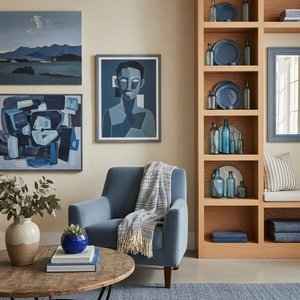
A kék árnyalatai: 10 ikonikus festmény a Slate Blue szín jegyében | AllPaintingsStore.com
Fedezze fel a 10 legikonikusabb festményt, melyeket a Slate Blue szín ural! Monet, Renoir és más mesterek művei inspirálnak. Vászonképek eladás, otthon dekoráció tippek a AllPaintingsStore.com-on. Explore the full collection online!


