

Ink On Paper.

§ 1Catalogue data


Ez a műalkotás szerzői jogi védelem alatt áll
Az ezen az oldalon megjelenített műalkotások szerzői jogi védelem alatt állnak, ami azt jelenti, hogy törvényileg nem készíthetünk és nem adhatunk el belőlük pontos másolatokat. Ez a védelem olyan nemzetközi megállapodások alapján érvényesül, mint például a Berni Egyezmény és a nemzeti jogszabályok által, beleértve azokat is, amelyeket meghatározott Az USA szerzői jogi törvénye – 17. cím.
Mint tiszteletes és törvényes alternatívát, olyan egyedi, kézzel festett alkotásokat kínálunk, amelyek az eredetiből merítnek inspirációt. Tapasztalt és professzionális művészeink alaposan tanulmányozzák az eredeti stílusát, hangulatát és művészeti esszenciáját, hogy egy olyan új, egyedi alkotást hozzunk létre, amely ugyanazt az érzést kelti – miközben önálló, eredeti alkotásként létezik.
Ez a módszer teljes mértékben megfelel a szerzői jogi szabályozásnak, mivel nem tartalmazza a védett műalkotás másolását vagy duplikálását. Ehelyett ez egy kreatív újinterpretáció – egy új festmény, amely az eredetivel való összefüggései miatt hatással van rá, de nem az az.
 További információk
§ 2Abstract
A gyűjtemény leírása
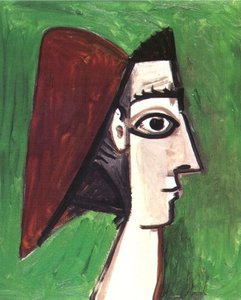
A fragmented Cubist masterpiece by Pablo Picasso that deconstructs the face of literary genius Balzac through powerful geometric planes and monochrome intensity, inviting you to explore this iconic moment in art history.
A művész életrajza
Pablo Picasso (1881-1973) forradalmázó spanyol festő és szobrász, a kubizmus mediatartója és a különböző stílusok mestere volt. Az olyan ikonikus művek alkotójaként, mint a Guernica és az Avignon nők, öröksége ma is inspirál.
§ 3Commentary
The Fractured Soul of Genius
In the annals of modern art, few works capture the raw, transformative power of the Cubist movement as viscerally as Pablo Picasso’s Balzac. Completed in 1931, this profound drawing is far more than a mere portrait of the legendary French novelist Honoré de Balzac; it is a psychological excavation. Through a masterful command of line and form, Picasso dismantles the physical likeness of the literary giant to reveal something much deeper—the turbulent, fragmented essence of creative genius itself. To gaze upon this work is to witness the moment where traditional representation shatters, giving way to a new language of perception that continues to captivate collectors and art enthusiasts today.
The technique employed in Balzac is a testament to Picasso’s unparalleled ability to manipulate simple media to achieve monumental impact. Executed with ink on paper, the piece relies on a dense, rhythmic network of lines that vary in weight and intensity. There is no reliance on the comfort of color; instead, the artist utilizes a stark, monochromatic palette of black, white, and grey to sculpt form out of chaos. This deliberate lack of hue amplifies the dramatic tension, forcing the viewer to confront the sharp, angular planes and overlapping geometric shapes that define the subject. The interplay of light and shadow is not achieved through soft gradients but through the strategic accumulation of ink, creating a sense of depth and structural complexity that feels both architectural and organic.
A Symphony of Fragmentation and Emotion
The composition of Balzac defies the conventional spatial logic of portraiture. Picasso employs the hallmark of Cubism—simultaneous perspectives—to present multiple viewpoints at once. The face is broken into a mosaic of shards, where an open mouth and distorted features suggest a state of profound vulnerability or perhaps a silent, primal scream. This fragmentation serves as a powerful symbol for the artist’s own struggle to capture the elusive spirit of his subject. Within the larger, fractured visage, smaller, integrated faces emerge, contributing to a sense of visual density that mirrors the psychological complexity of the human condition.
For the discerning interior designer or art collector, Balzac offers an unparalleled aesthetic presence. Its monochromatic strength and bold, graphic energy make it a commanding centerpiece for modern, minimalist, or avant-garde spaces. The artwork does not merely decorate a wall; it commands the atmosphere of a room, evoking feelings of intellectual curiosity and existential reflection. Owning a high-quality reproduction of this masterpiece allows one to bring the revolutionary spirit of 1930s Paris into a contemporary setting, providing a sophisticated focal point that celebrates the enduring legacy of one of history's most transformative artistic minds.
Kérdések és válaszok
A „Balzac”, Pablo Picasso alkotása portré, tájékép vagy négyzet alakú kompozíció?
A "Balzac" formátuma Portrait. Ez hasznos, amikor tervezünk, hogy a reprodukciót hová helyezzük el.
Mit ábrázol a "Balzac"?
A "Balzac" alkotás tárgyai: portrait, fragmented face, geometric shapes, black and white, cubism, monochromatic, psychological depth.
Balzac színei erőteljesnek vagy lágynak tűnnek?
A „Balzac”, Pablo Picasso alkotása színei Monochromatic intenzitásúak.





 Váltás nyomtatványra


 A bármely oldalsó méretét túlszálaló 105 cm (kb. 41 hüvelyk) meghaladó műalkotások vagy reprodukciók esetében a keret összeszerelhető készletként, szétszerelve kerül szállításra. Ez a módszer biztosítja a biztonságos szállítást, és megakadályozza a szállítás során fellépő sérüléseket.


