


 Előnézet
 Megosztás
 Megosztás
 Részletek
 Útmutató

 Letöltés
 Hasonló darabok
 X-ray felvétel
 Diavetítés
 Statisztika
Allegory of Love, III: Respect
 Acrylic On Canvas
- WallArt
- Baroque
 1575
1575 186.0 x 194.0 cm
 Nemzeti Képtár (London)
 Tovább olvasom
Kézzel készített olajfestmény reprodukció
Kézzel festett olajvastú vászon, az Ön által választott méretben és keretben, művészeink készítik meglévőre. ( Váltás nyomtatványra Áttérés digitális képre)




P118B $10

P118H $10

P118W $10

P438Z $10

P508JH $12

P508YH $12

P805H $10

P805Z $10

P919BZ $10

P919G $10

P919XJ $10

P959ZH $10

P968JZ $12

W106C $8

W218G $10

W218JH $8

W218Y $10

W307PJ $10

W316G $10

W316PJ $8

W316Y $10

W398PJ $8

W4111J $10

W500HY $15

W500JH $15

W692G $12

W849H $8

W940BG $15

W953PJ $8




Válasszon előre meghatározott méreteink közül, amelyek megfelelnek a műalkotás eredeti arányainak.

Ön megadhat saját méreteket egy adott kerethez vagy térhez igazításhoz. Ha a kiválasztott méret nem egyezik az eredeti kép arányával, akkor a műalkotást levágjuk, vagy további kézzel festett elemekkel meghosszabbítjuk a festményt. A gyártás megkezdése előtt küldünk Önnek egy digitális előnézetet jóváhagyásra.
Kérjük, vegye figyelembe, hogy a képernyőn megjelenő előnézet nem tükrözi a tényleges vágást vagy kiterjesztést. Csak az előnézet fog pontosan mutatni a végső kompozíciót.
Bár egyedi méretek állnak rendelkezésre, javasoljuk, hogy válasszon egy méretet az előre meghatározott listából az eredeti arányok megőrzése érdekében.
A rendelést követően a AllPaintingsStore.com csapata e-mailt küld az ügyfélnek az instrukciókért, és biztosít egy előnézeti képet (mockup).
Világszerte elérhető szállítás () 3-4 hét alatt a szokásos 5 hét helyett. (21 szeptember). A minőség nem kérdőjelezhető.

Ingyenes globális expressz szállítás

Prémium minőségű len vászon

Teljes körű szállítási biztosítás

Vámvisszatérítési Garancia

Tökéletes színarányosság garancia

100 napos visszaküldési garancia (csak gyártási hibás termékek esetén)

100% pénzvisszatérítési garancia

Több darab vásárlásakor kedvezmény
 Az üvegkeretes opció csak 110 cm alatti méretben érhető el

Allegory of Love, III: Respect
Reprodukciós technika
Reprodukció méretei
-


Összesített ár
$ 258
A Venetian Masterpiece of Passion and Virtue
In the golden age of the Venetian Renaissance, few artists could capture the intoxicating blend of opulence and human emotion as masterfully as Paolo Veronese. His 1575 masterpiece, Allegory of Love, III: Respect, serves as a breathtaking window into a world where sensuality and spiritual virtue dance in a delicate, often tension-filled embrace. This large-scale oil on canvas is not merely a painting; it is a theatrical performance frozen in time, inviting the viewer to step into a lavishly appointed chamber where every shadow and shimmer of light tells a story of desire and restraint.
The scene unfolds within an intimate, luxurious bedroom, a setting that immediately envelops the observer in the grandeur of 16th-century Italian life. At its heart, the composition focuses on the profound connection between a man and a woman, their figures intertwined amidst rich fabrics and decadent surroundings. Veronese utilizes his signature technique—the meticulous layering of translucent glazes—to achieve an astonishing vibrancy. This method, inherited from the great Titian, allows light to penetrate the paint layers, creating an illusionistic depth that makes the textures of silk, skin, and metal feel almost tangible to the touch.
The Language of Symbolism and Motion
Beyond its surface beauty, the painting is a complex tapestry of symbolic meaning, designed to provoke contemplation. While the atmosphere is undeniably one of passion, Veronese weaves in elements that ground the scene in the humanist ideals of his era. The presence of swords within the composition acts as a powerful signifier of honor and virtue, providing a sharp, structural contrast to the soft, sensual allure of the central figures. This juxtaposition suggests that true love is not merely an impulse of the flesh, but a state of being that requires the protection of one's integrity.
Every object placed within this opulent setting serves a narrative purpose. A carefully positioned bowl and cup hint at themes of nourishment and the intellectual sustenance required to sustain a lasting bond. The movement within the piece is equally deliberate; the figures are caught in a moment of transition, suggesting the eternal struggle between instinct and duty. For the discerning collector or interior designer, these layers of meaning offer a profound depth that transforms a decorative element into a conversational centerpiece, capable of anchoring a room with both intellectual weight and aesthetic splendor.
An Eternal Inspiration for Modern Spaces
To possess a reproduction of Allegory of Love, III: Respect is to bring a piece of history into the contemporary sanctuary. The painting’s monumental scale and rich, warm palette make it an ideal choice for creating a focal point in grand dining halls, sophisticated studies, or luxurious master suites. Its ability to evoke a sense of timelessness allows it to harmonize with both classical period decor and sleek, modern minimalism, providing a touch of Old World elegance that transcends fleeting trends.
For those seeking to curate an environment of inspiration, Veronese’s work offers an unparalleled emotional resonance. The painting does not merely decorate a wall; it breathes life into a space, offering a constant reminder of the beauty found in the balance of passion and respect. Whether viewed as a study in Renaissance technique or as a profound meditation on human connection, this work remains a testament to the enduring power of art to move the soul and elevate the spirit of any home.
Hasonló műalkotások


A művész életrajza
A Venetian Visionary: The Life and Art of Paolo Veronese
Paolo Caliari, known to the world as Paolo Veronese, emerged from the vibrant artistic landscape of 16th-century Venice as a master of color, composition, and opulent spectacle. Born in Verona in 1528, the son of a stonecutter, his early life was steeped in the visual richness of his surroundings – the classical architecture, sculpted forms, and burgeoning humanist ideals that characterized the region. His initial training under Antonio Badile and Giovanni Francesco Caroto laid a foundation in traditional techniques, but it was his move to Venice in the 1550s that truly ignited his artistic genius. The city itself became his muse, its bustling marketplaces, grand palazzi, and shimmering waterways informing the scale and drama of his work. He quickly absorbed the influences of established Venetian masters like Titian, whose mastery of color profoundly impacted Veronese’s palette, yet he forged a distinct style characterized by an unparalleled sense of theatricality and grandeur.The Painter of Feasts and Grand Narratives
Veronese's reputation rests upon his monumental paintings, particularly those depicting lavish feasts and biblical scenes transformed into dazzling displays of Venetian life. The Wedding at Cana, completed in 1563 for the Benedictine monastery of San Giorgio Maggiore, stands as a testament to his skill. This colossal canvas isn’t merely an illustration of the miracle; it's a vibrant panorama of 16th-century society, teeming with elegantly dressed figures, musicians, and architectural details rendered with breathtaking precision. The painting is not just about what happened at Cana but *how* it would have looked if it had occurred in Venice during Veronese’s time. He meticulously recreated the city's architecture, its canals, and its inhabitants, creating a believable and immersive scene that transports the viewer to another era. Similarly, The Feast in the House of Levi, originally titled The Last Supper, caused controversy with the Inquisition due to its inclusion of contemporary figures and a seemingly irreverent atmosphere. Veronese defended his artistic license, asserting that painters were entitled to the same creative freedom as poets and jesters – a bold statement reflecting his belief in art’s power to interpret and reimagine sacred narratives. These works weren't simply religious depictions; they were celebrations of life, wealth, and the splendor of Venice itself. He wasn’t interested in austere spirituality but rather in capturing the joy and abundance of existence. The figures are not idealized saints but recognizable members of Venetian society, adding a layer of realism and social commentary to the scene.Influences and Artistic Development
While Titian’s influence on Veronese’s colorism is undeniable, his artistic development was a complex interplay of various influences. The architectural precision he brought to his compositions owes much to the classical tradition prevalent in Verona during his formative years, particularly the work of architects like Michele Sanmicheli. He also absorbed elements from Central Italian masters such as Raphael and Parmigianino, evident in the graceful lines and harmonious arrangements within his paintings. However, Veronese didn’t simply imitate these influences; he synthesized them into a uniquely Venetian style characterized by its dramatic use of light, vibrant color palettes, and meticulous attention to detail. He excelled at creating illusions of space and depth, employing perspective techniques to draw viewers into the heart of his elaborate scenes. His mastery of oil painting allowed him to achieve an unparalleled luminosity and richness of texture. He also ran a large workshop, with contributions from his brother Benedetto and sons Gabriele and Carlo, ensuring that his style continued to flourish even after his death in 1588.Major Achievements and Notable Works
Veronese’s career was marked by numerous significant commissions and masterpieces. Beyond the monumental Wedding at Cana and Feast in the House of Levi, he created a series of altarpieces for Venetian churches, including works for the Scuola Grande di San Rocco and the Chiesa di Santa Maria Gloriosa dei Frari. His decoration of the library of S. Marco is considered one of his finest achievements, showcasing his mastery of illusionistic painting and architectural design. The Feast in the House of Levi, with its inclusion of contemporary figures and a playful depiction of the Last Supper, remains a particularly intriguing example of his artistic vision. His ability to seamlessly blend religious themes with secular elements—to portray biblical events within the context of Venetian life—established him as a truly unique and influential artist.- The Wedding at Cana (1563) – Louvre Museum
- Feast in the House of Levi (1573) – Accademia Gallery, Venice
- Decorations for the Library of S. Marco (1556–57) – Venice
Historical Significance and Legacy
Paolo Veronese’s impact extends far beyond the realm of Renaissance art. His work has resonated through centuries, inspiring artists across various disciplines. His dramatic compositions and vibrant color schemes have been cited as influences on everything from Baroque painting to modern cinema—even finding echoes in the visual aesthetics of Spaghetti Westerns. He was part of the “great trio” of Venetian painters—alongside Titian and Tintoretto—each contributing uniquely to the city’s artistic legacy, yet Veronese often stands apart for his sheer exuberance and celebration of earthly pleasures. His paintings continue to captivate audiences with their grandeur and spectacle, offering a glimpse into the opulent world of 16th-century Venice. Veronese's legacy is a testament to his artistic genius, his ability to capture the essence of an era, and his enduring contribution to the history of art.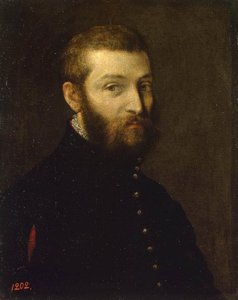
Paolo Veronese
1528 - 1588 , Olaszország
Gyors információk
- Artistic Movement Or Style: Reneszánszi, Mannerista
- Artists Or Movements Influenced By This Artist: ['Raphael']
- Artists Who Influenced This Artist: ['Tiziano']
- Date Of Birth: 1528
- Date Of Death: 1588
- Full Name: Paolo Veronese
- Nationality: Olasz
- Notable Artworks:
- Kánaeki menyegző
- Levi házában vacsora
- Place Of Birth: Verona, Olaszország
Kapcsolódó cikkek

The Golden Light of Innovation: Exploring the Venetian Renaissance Art Movement (1430–1580)
Explore the Golden Age of Venetian art (1430–1580). Discover Giorgione, Titian & Tintoretto's techniques, the 'colorito' revolution, and lasting influence. Expert insights for collectors & enthusiasts.

Paolo Veronese: A Renaissance Master of Color, Composition, and Venetian Splendor
Explore the vibrant world of Paolo Veronese, a Renaissance master renowned for his opulent compositions, masterful use of color, and dramatic Venetian scenes. Discover key artworks & legacy.

Jacopo Tintoretto 25 Mesterműve: A Velencei Dráma és Fény Világa | AllPaintingsStore
Fedezze fel Jacopo Tintoretto 25 legpárásabb műalkotását! A velencei reneszánsz drámája és a barokk fények világa. Vásároljon luxus minőségű reprodukciókat, inspirálja otthonát AllPaintingsStore-on. Explore the full collection online!

Venetian Renaissance: The Mastery of Color, Light, and the Art of Colorito
Explore the luminous mastery of the Venetian Renaissance. Discover how masters like Titian and Giorgione revolutionized art through colorito, light, and atmosphere. An expert guide to the golden age of Italian painting for collectors and enthusiasts.

Pietro Longhi's Venetian Scenes: A Study of Rococo Society & Domestic Life
Explore the captivating world of Pietro Longhi's Venetian scenes! Discover insightful analysis of his Rococo masterpieces & social commentary on 18th-century life. Learn about this 'Venetian Hogarth' and his lasting artistic legacy.


