


 Megtekintés
 Küldés
 Megosztás
 Részletek
 Útmutató

 Letöltés
 Hasonló darabok
 X-ray felvétel
 Diavetítés
 Statisztika
Last Supper
 Oil On Canvas
- WallArt
- Baroque Renaissance
 1585
1585- Renaissance
 220.0 x 523.0 cm
 Pinacoteca di Brera
 Összes részlet megjelenítése
Kézzel készített olajfestmény reprodukció
Kézzel festett olajvastú vászon, az Ön által választott méretben és keretben, művészeink készítik meglévőre. ( Váltás nyomtatványra Áttérés digitális képre)




P118B Ft10

P118H Ft10

P118W Ft10

P438Z Ft10

P508JH Ft12

P508YH Ft12

P805H Ft10

P805Z Ft10

P919BZ Ft10

P919G Ft10

P919XJ Ft10

P959ZH Ft10

P968JZ Ft12

W106C Ft8

W218G Ft10

W218JH Ft8

W218Y Ft10

W307PJ Ft10

W316G Ft10

W316PJ Ft8

W316Y Ft10

W398PJ Ft8

W4111J Ft10

W500HY Ft15

W500JH Ft15

W692G Ft12

W849H Ft8

W940BG Ft15

W953PJ Ft8




Válasszon előre meghatározott méreteink közül, amelyek megfelelnek a műalkotás eredeti arányainak.

Írja be a kívánt szélességet és magasságot, hogy illeszkedjen a keretéhez vagy a falához. Mivel ez kézzel festett alkotás, egy eltérő formájú méret esetén a művész akár festhet is valamivel többet a kép körül, vagy korolathat is belőle — az Ön döntésének megfelelően. A festés megkezdése előtt küldünk egy digitális tervezetet jóváhagyásra. Az oldalon látható kép nem tartalmazza a végeredményt — csak a tervezet mutatja meg a valódi eredményt.
A rendelést követően a AllPaintingsStore.com csapata e-mailt küld az ügyfélnek az instrukciókért, és biztosít egy előnézeti képet (mockup).
Világszerte elérhető szállítás () 3-4 hét alatt a szokásos 5 hét helyett. (25 október). A minőség nem kérdőjelezhető.

Ingyenes globális expressz szállítás

Prémium minőségű len vászon

Teljes körű szállítási biztosítás

Vámvisszatérítési Garancia

Hiteles színarányosság garancia

100 napos visszaküldési lehetőség (csak hibás termékek esetén)

100% pénzvisszatérítési garancia

Több darab vásárlásakor kedvezmény
 Az üvegkeretes opció csak 110 cm alatti méretben érhető el

Last Supper
Reprodukciós technika
Reprodukció mérete
-


Összesített ár
Ft 82696
A Gathering Amidst the Splendor
The air within the room feels heavy with the weight of a shared moment, yet the scene pulses with an unexpected energy. Around a long, expansive table, Jesus and his twelve apostles are gathered, caught in a state of lively motion. Some figures lean forward, their faces etched with the intensity of the conversation, while others stand nearby, drifting through the periphery of the central group. It is a crowded, bustling assembly where the sacred meets the everyday. Men and women move through the space, dressed in fabrics that catch the light, their clothing detailed with such precision that one can almost sense the texture of the heavy silks and fine linens. The table itself is a landscape of abundance, cluttered with multiple cups, bowls, and the silver glint of forks and knives, suggesting a feast that is as much about physical presence as it is about spiritual significance.
In the background, the scene stretches further than the eye first perceives. A smaller dining table sits in the distance, accompanied by a solitary chair, hinting at a larger world existing just beyond this immediate circle of disciples. This depth creates an illusion of a vast, architectural space, pulling the viewer into the very heart of the feast. The atmosphere is far from somber; instead, it carries the hum of a social gathering, where voices overlap and eyes meet in silent understanding.
The Drama of Light and Color
Every brushstroke contributes to a sense of theatrical grandeur. The artist employs a palette that feels luminous, using light to define the folds of a sleeve or the curve of a ceramic bowl. There is a deliberate use of color that brings a sense of life to the skin tones and the surrounding architecture. This technique does more than merely depict a scene; it creates a stage where every figure possesses their own weight and importance. The way the light falls across the table, illuminating the utensils and the edges of the plates, directs the eye through the complex arrangement of bodies.
The composition relies on a careful balance of movement and stillness. While the central figures anchor the painting, the surrounding crowd provides a rhythmic flow that prevents the scene from feeling static. This approach to oil on canvas allows for a richness of texture, where the shadows feel deep and the highlights appear almost tactile. The sheer scale of the work—stretching over five meters in width—demands that the viewer move along with the figures, following the gaze of an apostle or the gesture of a standing guest. It is a painting that breathes, capturing a single, suspended moment of human connection amidst a sea of movement and light.
Kérdések és válaszok
Milyen nyomtatási méretet és vízszességet javasol a „Last Supper”, Paolo Veronese alkotása?
A „Last Supper”, Paolo Veronese alkotása egyik nyomatásához a Large méretű, Panoramic elrendezésű nyomtatást javasoljuk.
Mire ajánlott használni a „Last Supper”, Paolo Veronese alkotása reprodukcióját?
A „Last Supper”, Paolo Veronese alkotása reprodukcióját Accent célokra javasoljuk. Ez a javaslat a mű témájából, hangulatából és színeiből adódik.
A „Last Supper”, Paolo Veronese alkotása szerzői jogai megengedik a másolatok készítését?
A „Last Supper”, Paolo Veronese alkotása szerzői jogi státusza egyértelmű: a mű közösségi tulajdon – a szerzői jog lejártt. A Pinacoteca di Brera gyűjteményében való szereplése nem változtat ezen a státuszon.
Hasonló műalkotások


A művész életrajza
A Venetian Visionary: The Life and Art of Paolo Veronese
Paolo Caliari, known to the world as Paolo Veronese, emerged from the vibrant artistic landscape of 16th-century Venice as a master of color, composition, and opulent spectacle. Born in Verona in 1528, the son of a stonecutter, his early life was steeped in the visual richness of his surroundings – the classical architecture, sculpted forms, and burgeoning humanist ideals that characterized the region. His initial training under Antonio Badile and Giovanni Francesco Caroto laid a foundation in traditional techniques, but it was his move to Venice in the 1550s that truly ignited his artistic genius. The city itself became his muse, its bustling marketplaces, grand palazzi, and shimmering waterways informing the scale and drama of his work. He quickly absorbed the influences of established Venetian masters like Titian, whose mastery of color profoundly impacted Veronese’s palette, yet he forged a distinct style characterized by an unparalleled sense of theatricality and grandeur.The Painter of Feasts and Grand Narratives
Veronese's reputation rests upon his monumental paintings, particularly those depicting lavish feasts and biblical scenes transformed into dazzling displays of Venetian life. The Wedding at Cana, completed in 1563 for the Benedictine monastery of San Giorgio Maggiore, stands as a testament to his skill. This colossal canvas isn’t merely an illustration of the miracle; it's a vibrant panorama of 16th-century society, teeming with elegantly dressed figures, musicians, and architectural details rendered with breathtaking precision. The painting is not just about what happened at Cana but *how* it would have looked if it had occurred in Venice during Veronese’s time. He meticulously recreated the city's architecture, its canals, and its inhabitants, creating a believable and immersive scene that transports the viewer to another era. Similarly, The Feast in the House of Levi, originally titled The Last Supper, caused controversy with the Inquisition due to its inclusion of contemporary figures and a seemingly irreverent atmosphere. Veronese defended his artistic license, asserting that painters were entitled to the same creative freedom as poets and jesters – a bold statement reflecting his belief in art’s power to interpret and reimagine sacred narratives. These works weren't simply religious depictions; they were celebrations of life, wealth, and the splendor of Venice itself. He wasn’t interested in austere spirituality but rather in capturing the joy and abundance of existence. The figures are not idealized saints but recognizable members of Venetian society, adding a layer of realism and social commentary to the scene.Influences and Artistic Development
While Titian’s influence on Veronese’s colorism is undeniable, his artistic development was a complex interplay of various influences. The architectural precision he brought to his compositions owes much to the classical tradition prevalent in Verona during his formative years, particularly the work of architects like Michele Sanmicheli. He also absorbed elements from Central Italian masters such as Raphael and Parmigianino, evident in the graceful lines and harmonious arrangements within his paintings. However, Veronese didn’t simply imitate these influences; he synthesized them into a uniquely Venetian style characterized by its dramatic use of light, vibrant color palettes, and meticulous attention to detail. He excelled at creating illusions of space and depth, employing perspective techniques to draw viewers into the heart of his elaborate scenes. His mastery of oil painting allowed him to achieve an unparalleled luminosity and richness of texture. He also ran a large workshop, with contributions from his brother Benedetto and sons Gabriele and Carlo, ensuring that his style continued to flourish even after his death in 1588.Major Achievements and Notable Works
Veronese’s career was marked by numerous significant commissions and masterpieces. Beyond the monumental Wedding at Cana and Feast in the House of Levi, he created a series of altarpieces for Venetian churches, including works for the Scuola Grande di San Rocco and the Chiesa di Santa Maria Gloriosa dei Frari. His decoration of the library of S. Marco is considered one of his finest achievements, showcasing his mastery of illusionistic painting and architectural design. The Feast in the House of Levi, with its inclusion of contemporary figures and a playful depiction of the Last Supper, remains a particularly intriguing example of his artistic vision. His ability to seamlessly blend religious themes with secular elements—to portray biblical events within the context of Venetian life—established him as a truly unique and influential artist.- The Wedding at Cana (1563) – Louvre Museum
- Feast in the House of Levi (1573) – Accademia Gallery, Venice
- Decorations for the Library of S. Marco (1556–57) – Venice
Historical Significance and Legacy
Paolo Veronese’s impact extends far beyond the realm of Renaissance art. His work has resonated through centuries, inspiring artists across various disciplines. His dramatic compositions and vibrant color schemes have been cited as influences on everything from Baroque painting to modern cinema—even finding echoes in the visual aesthetics of Spaghetti Westerns. He was part of the “great trio” of Venetian painters—alongside Titian and Tintoretto—each contributing uniquely to the city’s artistic legacy, yet Veronese often stands apart for his sheer exuberance and celebration of earthly pleasures. His paintings continue to captivate audiences with their grandeur and spectacle, offering a glimpse into the opulent world of 16th-century Venice. Veronese's legacy is a testament to his artistic genius, his ability to capture the essence of an era, and his enduring contribution to the history of art.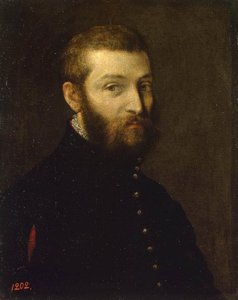
Paolo Veronese
1528 - 1588 , Olaszország
Rövid információk
- Artistic Movement Or Style: Reneszánszi, Mannerista
- Artists Or Movements Influenced By This Artist: ['Raphael']
- Artists Who Influenced This Artist: ['Tiziano']
- Date Of Birth: 1528
- Date Of Death: 1588
- Full Name: Paolo Veronese
- Nationality: Olasz
- Notable Artworks:
- Kánaeki menyegző
- Levi házában vacsora
- Place Of Birth: Verona, Olaszország
Kapcsolódó cikkek

Paolo Veronese: A Renaissance Master of Color, Composition, and Venetian Splendor
Explore the vibrant world of Paolo Veronese, a Renaissance master renowned for his opulent compositions, masterful use of color, and dramatic Venetian scenes. Discover key artworks & legacy.

Jacopo Tintoretto 25 Mesterműve: A Velencei Dráma és Fény Világa | AllPaintingsStore
Fedezze fel Jacopo Tintoretto 25 legpárásabb műalkotását! A velencei reneszánsz drámája és a barokk fények világa. Vásároljon luxus minőségű reprodukciókat, inspirálja otthonát AllPaintingsStore-on. Explore the full collection online!

The Enduring Legacy of Oil on Canvas: Technique, History & Aesthetic Impact
Explore the rich history & techniques of oil painting – from Renaissance masters to Impressionism. Discover pigments, layering methods, and why this timeless medium endures. Expert insights for artists & art enthusiasts.

The Enduring Power of Painting: A Historical & Contemporary Exploration of Form and Emotion
Explore the rich history & enduring techniques of oil painting with AllPaintingsStore. Discover masterpieces, learn about art collecting, and find authentic handmade reproductions crafted by skilled artists.

Leonardo da Vinci 25 Mesterműve: Festmények, Rajzok és a Reneszánsz Zsenije – AllPaintingsStore.com
Fedezze fel Leonardo da Vinci 25 legikonikusabb művét! Ismerje meg a Mona Lisa, az Utolsó Vacsora és más reneszánsz remekművek történetét. Museum-minőségű reprodukciók és inspiráló otthon dekorációs ötletek – AllPaintingsStore.com.


