


 Megtekintés
 Küldés
 Megosztás
 Részletek
 Útmutató

 Letöltés
 Hasonló darabok
 X-ray felvétel
 Diavetítés
 Statisztika
Kitchen Scene
 Oil On Canvas
- WallArt
- Baroque Drama
 1620
1620- Early Modern
 114.0 x 160.0 cm
 Metropolitan Művészeti Múzeum
 Összes részlet megjelenítése
Kézzel készített olajfestmény reprodukció
Kézzel festett olajvastú vászon, az Ön által választott méretben és keretben, művészeink készítik meglévőre. ( Váltás nyomtatványra Áttérés digitális képre)




P118B Ft10

P118H Ft10

P118W Ft10

P438Z Ft10

P508JH Ft12

P508YH Ft12

P805H Ft10

P805Z Ft10

P919BZ Ft10

P919G Ft10

P919XJ Ft10

P959ZH Ft10

P968JZ Ft12

W106C Ft8

W218G Ft10

W218JH Ft8

W218Y Ft10

W307PJ Ft10

W316G Ft10

W316PJ Ft8

W316Y Ft10

W398PJ Ft8

W4111J Ft10

W500HY Ft15

W500JH Ft15

W692G Ft12

W849H Ft8

W940BG Ft15

W953PJ Ft8




Válasszon előre meghatározott méreteink közül, amelyek megfelelnek a műalkotás eredeti arányainak.

Írja be a kívánt szélességet és magasságot, hogy illeszkedjen a keretéhez vagy a falához. Mivel ez kézzel festett alkotás, egy eltérő formájú méret esetén a művész akár festhet is valamivel többet a kép körül, vagy korolathat is belőle — az Ön döntésének megfelelően. A festés megkezdése előtt küldünk egy digitális tervezetet jóváhagyásra. Az oldalon látható kép nem tartalmazza a végeredményt — csak a tervezet mutatja meg a valódi eredményt.
A rendelést követően a AllPaintingsStore.com csapata e-mailt küld az ügyfélnek az instrukciókért, és biztosít egy előnézeti képet (mockup).
Világszerte elérhető szállítás () 3-4 hét alatt a szokásos 5 hét helyett. (27 október). A minőség nem kérdőjelezhető.

Ingyenes globális expressz szállítás

Prémium minőségű len vászon

Teljes körű szállítási biztosítás

Vámvisszatérítési Garancia

Hiteles színarányosság garancia

100 napos visszaküldési lehetőség (csak hibás termékek esetén)

100% pénzvisszatérítési garancia

Több darab vásárlásakor kedvezmény
 Az üvegkeretes opció csak 110 cm alatti méretben érhető el

Kitchen Scene
Reprodukciós technika
Reprodukció mérete
-


Összesített ár
Ft 82822
A Glimpse into Domestic Life: The World of Peter Wtewael's Kitchen Scene
To stand before Peter Wtewael’s Kitchen Scene is not merely to observe a painting; it is to step through a painted portal directly into the vibrant, aromatic heart of an early seventeenth-century Dutch household. Painted in 1620, this oil on canvas masterpiece captures daily life with an almost startling immediacy. The air seems thick with the scent of woodsmoke, simmering pots, and fresh ingredients. At the core of the composition are two women, their gestures intimate and conversational, suggesting a moment suspended just before or after a shared task. One woman cradles a plump chicken, while her companion displays a basket brimming with the bounty of the sea and earth—eggs and fish. These figures, perhaps servants or skilled cooks, anchor the viewer in a world defined by tangible labor and communal interaction.
Mastery of Light and Shadow: Technical Brilliance
Wtewael’s technical prowess is immediately apparent, particularly his masterful handling of light. His style bears the unmistakable influence of Caravaggio's dramatic chiaroscuro, lending the entire scene a profound sense of theatricality. The light does not simply illuminate; it sculpts. It falls across the rough textures of the wooden surfaces, catches the sheen on the fish scales, and highlights the folds in the women’s practical garments. This sophisticated use of contrast—the deep, enveloping shadows juxtaposed against brilliant pools of illumination—lends an unparalleled depth to the canvas, transforming a simple domestic setting into a richly textured, almost three-dimensional environment.
The Symbolism of Sustenance and Community
Beyond the mere depiction of chores, this painting resonates with deeper symbolic currents characteristic of Dutch Golden Age genre scenes. The abundance displayed—the fowl, the basket's contents, the scattered utensils—is a quiet testament to prosperity and self-sufficiency. Food, in art history, is rarely just sustenance; it speaks to hospitality, social standing, and the cyclical nature of life itself. Furthermore, the inclusion of the curious cat wandering through the foreground adds an element of untamed domesticity, grounding the human drama within the natural rhythm of the home. It invites contemplation on the interconnectedness of all elements within this bustling microcosm.
Creating a Modern Connection: For the Collector and Designer
For the contemporary admirer, Kitchen Scene offers more than just historical curiosity; it provides an aesthetic blueprint for warmth and lived-in elegance. The meticulous detail—from the weave of the linens to the arrangement of the foodstuffs—speaks to a commitment to quality that transcends time. Owning or reproducing this work allows one to infuse a space with the sophisticated narrative power of Dutch Baroque art. It is a piece that whispers stories of human connection, making it an ideal focal point for those who appreciate history, realism, and the enduring beauty found within the everyday.
Kérdések és válaszok
A „Kitchen Scene” 1620-es dátuma Peter Wtewael pályájának mely szakaszára tekintthető?
A "Kitchen Scene", amely 1620 évben készült, Peter Wtewael pályájának Mature Baroque szakaszába tartozik.
Mely színek dominálnak a(z) „Kitchen Scene”, Peter Wtewael alkotása alkotásban?
A "Kitchen Scene" alkotást egy Earthy színekből álló paletta határozza meg, melyet Phthalo Green (#231d1a) dominál.
Mennyire erős a kontraszt a(z) „Kitchen Scene”, Peter Wtewael alkotása alkotásban?
A "Kitchen Scene" fény-sötét kontrasztja Gentle értéket mutat. A kontraszt azt írja le, mennyire térnek el egymástól a világos és sötét részek.
Hasonló műalkotások


A művész életrajza
A Master of Light and Domestic Drama
In the vibrant tapestry of the Dutch Golden Age, few names evoke the intimate tension of a flickering candlelit room quite like Peter Wtewael. Born in Utrecht in 1596, Wtewael was an artist shaped by a profound lineage of creativity; he was the son of the esteemed painter and engraver Joachim Wtewael and the brother of Johan Wtewael. This familial immersion in the arts provided him with more than just technical training—it offered a window into the very soul of Netherlandish visual storytelling. Though his active period as a painter was relatively brief, spanning roughly between 1624 and 1630, the impact of his brushwork remains etched in the history of the Baroque era.
Wtewael’s artistic identity was deeply forged by the revolutionary influence of Caravaggio. He became a dedicated follower of this dramatic style, embracing the technique of tenebrism to transform ordinary subjects into profound psychological studies. By utilizing stark contrasts between deep, swallowing shadows and piercing highlights, he breathed life into his canvases. This mastery of chiaroscroll allowed him to elevate the mundane—a simple kitchen gathering or a piece of fruit—into something monumental and spiritually resonant. His ability to manipulate light created an immersive atmosphere where the viewer feels less like an observer and more like a silent participant in the scene.
The Intimacy of the Kitchen and the Grandeur of Myth
While many of his contemporaries sought the vastness of landscapes, Wtewael found infinite complexity within the confines of domestic interiors. He became a pioneer of the kitchen scene, a genre that allowed him to showcase an extraordinary command of texture and detail. In these works, one can almost feel the cold roughness of stone walls or the glistening, succulent surfaces of meat and pewter. However, beneath this surface-level realism lay a layer of complex symbolism and even risqué humor. His depictions of domestic life often featured subtle visual jokes and erotic undertones, where the abundance of foodstuffs served as an allegory for the pleasures of the flesh, blending the sensual with the everyday.
Beyond the kitchen, Wtewael’s imagination soared into the realm of the mythological and the biblical. He possessed a rare ability to weave complex narratives through gesture and expression, as seen in masterpieces like The Denial of Peter. In these compositions, the dramatic lighting does more than illuminate; it underscores themes of human vulnerability, doubt, and faith. Whether he was painting a jester with a flute or a sacred biblical moment, his work remained anchored in a meticulous observation of the human condition, making him a singular voice in the Utrecht school of painters.
Legacy and Artistic Significance
The true measure of Peter Wtewael’s significance lies in his ability to bridge the gap between the gritty realism of genre painting and the high drama of mythological storytelling. Though his known oeuvre is relatively small—consisting of a handful of signed works and several attributed pieces—each canvas serves as a testament to his technical prowess and emotional depth. His influence can be traced through the evolution of Dutch genre painting, particularly in how he utilized light to imbue domesticity with a sense of the extraordinary.
Today, his contributions are preserved in some of the world's most prestigious institutions, including The Metropolitan Museum of Art, where his kitchen scenes continue to captivate scholars and art lovers alike. Wtewael remains a vital figure for anyone seeking to understand the transformative power of the Baroque period, reminding us that even in the smallest, most shadowed corner of a room, there is a universe of drama waiting to be discovered.

Peter Wtewael
1596 - 1660 , Netherlands
Rövid információk
- Full Name: Peter Wtewael
- Nationality: Dutch
- Date Of Birth: 1596
- Date Of Death: 1660
- Place Of Birth: Utrecht, Netherlands
- Notable Artworks:
- Denial of Peter
- The Denial of Peter
- Artistic Movement Or Style: Caravaggesque
- Artists Who Influenced This Artist: ['Joachim Wtewael']
- Artists Or Movements Influenced By This Artist: ['Baroque']
Kapcsolódó cikkek

Mastering Light & Shadow: A Journey Through the Dutch Golden Age's Luminous Legacy
Embark on a cultural journey through the Dutch Golden Age. Explore the masterful interplay of light and shadow in 17th-century masterpieces, from Rembrandt to Vermeer, and discover how this era of profound realism continues to inspire fine art collectors today.
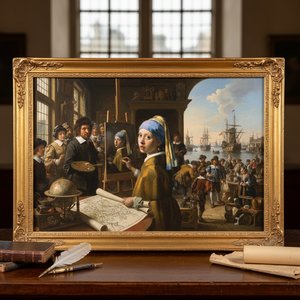
Golden Age Reflections: Dutch Baroque Painting & Cultural Innovation
Explore the Dutch Golden Age of painting! Discover key artists like Vermeer & ter Borch, their innovative techniques, and the rich cultural context behind these Baroque masterpieces. Learn about collecting & appreciating this iconic art period.

Illuminating Innovation: Exploring the Dutch Golden Age of Painting
Explore the Dutch Golden Age of painting with AllPaintingsStore. Discover Rembrandt, Vermeer & other Masters. Learn about key characteristics, iconic artworks, and lasting influence. Expert insights for collectors & enthusiasts.
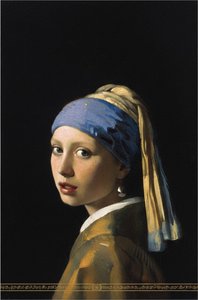
A Hollandi Aranykor 10 Mesterműve: Festmények, Amelyek Megváltoztatták a Világot | AllPaintingsStore.com
Fedezze fel a Hollandi Aranykor 10 legikonikusabb műalkotását! Rembrandt, Vermeer és más mesterek festményeinek történeteit olvassa el. Barokk stílus, klasszikus művészet – inspirálódjon otthon dekorációjához a AllPaintingsStore.com-on! Fedezze fel a teljes gyűjteményt online.

Golden Light & Dutch Skies: The Timeless Magic of Dutch Golden Age Landscapes
Discover the breathtaking beauty of Dutch Golden Age landscapes. Explore the mastery of light, chiaroscuro, and 17th-century realism through an expert art history lens, celebrating the enduring legacy of the Dutch Masters for discerning collectors and art lovers.

