


 Megtekintés
 Küldés
 Megosztás
 Részletek
 Útmutató

 Letöltés
 Hasonló darabok
 X-ray felvétel
 Diavetítés
 Statisztika
Path through the Dunes
 Oil
Oil- WallArt
- Dutch Golden Age
 Early Modern
 35.0 x 43.0 cm
 Staatliche Museen zu Berlin
 Összes részlet megjelenítése
Giclée / Műnyomat
Múzeumi minőségű giclée vagy vászonnyomat, gyors gyártással és rugalmas finomítási lehetőségekkel. ( Kézzel festett másolat rendelése Áttérés digitális képre)




P118B Ft10

P118H Ft10

P118W Ft10

P438Z Ft10

P508JH Ft12

P508YH Ft12

P805H Ft10

P805Z Ft10

P919BZ Ft10

P919G Ft10

P919XJ Ft10

P959ZH Ft10

P968JZ Ft12

W106C Ft8

W218G Ft10

W218JH Ft8

W218Y Ft10

W307PJ Ft10

W316G Ft10

W316PJ Ft8

W316Y Ft10

W398PJ Ft8

W4111J Ft10

W500HY Ft15

W500JH Ft15

W692G Ft12

W849H Ft8

W940BG Ft15

W953PJ Ft8




Válasszon előre meghatározott méreteink közül, amelyek megfelelnek a műalkotás eredeti arányainak.

Írja be a keretének vagy a falának megfelelő szélességet és magasságot. A nyomatot csak le lehet vágni, soha nem tehető nagyobbá, mint az eredeti kép, így egy eltérő alakú méretnél a kép egy része elveszik. Mielőtt bármit kinyatintanánk, küldünk egy digitális próbamodellt jóváhagyásra. Az oldalon látható kép nem tartalmazza a valós levágást — ezt csak a próbamodell mutatja meg.
Világszerte történő kiszállítás területére mindössze 2 hét alatt, a szokásos 4-5 hét helyett. (27 október)

Ingyenes globális expressz szállítás

Prémium minőségű len vászon

Teljes körű szállítási biztosítás

Vámvisszatérítési Garancia

Hiteles színarányosság garancia

100 napos visszaküldési lehetőség (csak hibás termékek esetén)

100% pénzvisszatérítési garancia

Több darab vásárlásakor kedvezmény
 Az üvegkeretes opció csak 110 cm alatti méretben érhető el

Path through the Dunes
Giclée / Műnyomat
Reprodukció mérete
-


Összesített ár
Ft 20545
A Journey Through Golden Age Serenity
In the quiet expanse of Philips Wouwerman’s "Path through the Dunes," viewers are invited to step into a world where time seems to suspend itself within the rolling contours of the Dutch landscape. Painted during the height of the Dutch Golden Age, between approximately 1650 and 1668, this masterpiece is far more than a mere topographical record; it is an evocative window into a bygone era of tranquility. The composition centers on a winding path that meanders through sun-drenched dunes, acting as a visual guide that draws the eye deep into the heart of the scene. As one follows this trail, a solitary figure emerges—a subtle, human heartbeat within the vastness of nature—reminding us of our own small yet profound place within the grandeur of the earth.
The atmosphere of the painting is defined by a masterful interplay of light and shadow. Wouwerman, a virtuoso of the era, utilizes a dramatic sky filled with soft, drifting clouds to cast a shifting mosaic of light across the landscape. This luminosity breathes life into the textures of the dunes, where the artist’s loose, confident brushstrokes capture the tactile quality of sand, scrub, and wild vegetation. The horizon is graced by a tranquil body of water, reflecting the overcast heavens and providing a sense of infinite depth that expands the viewer's perspective far beyond the immediate foreground.
Mastery of Technique and Earthy Elegance
To behold this work is to witness the technical brilliance of one of Haarlem’s most celebrated sons. Wouwerman’s approach to the medium of oil on oak allows for a remarkable level of detail that remains grounded in a naturalistic realism. Unlike the more idealized landscapes of his contemporaries, Wouwerman embraced an earthy palette dominated by ochre yellows, deep browns, and muted greens. These tones do not merely represent the landscape; they embody its very essence, creating a harmonious visual experience that feels both organic and timeless.
The artist’s technique is particularly noteworthy in his ability to balance precision with movement. While he possesses a keen eye for the minute details of trees and shrubs, his brushwork remains fluid enough to convey the subtle dynamism of a coastal breeze. This duality creates a sense of "atmospheric perspective," where the distant horizon feels soft and ethereal, contrasting beautifully with the more textured, tangible elements of the path in the foreground. For the collector or interior designer, this painting offers a sophisticated balance of complexity and calm, making it an ideal centerpiece for spaces that require a touch of historical prestige and organic warmth.
An Invitation to Timeless Reflection
Beyond its technical merits, "Path through the Dunes" carries a profound emotional resonance. It evokes a sense of nostalgia for a simpler, more contemplative existence. The painting does not demand attention through loud colors or chaotic action; instead, it seduces the viewer through subtlety and grace. There is a certain melancholy in the solitary figure’s journey, yet it is balanced by the enduring peace of the landscape itself. It is a work that speaks to the soul, offering a sanctuary of stillness in an increasingly frenetic modern world.
For those seeking to adorn a curated collection or a refined living space, a high-quality reproduction of this Wouwerman classic serves as more than decoration. It acts as an invitation to pause, to breathe, and to wander through the dunes of history. Whether placed in a sunlit study or a grand gallery, the painting brings with it the enduring spirit of the Dutch Golden Age—a legacy of observation, emotion, and unparalleled artistic innovation.
Kérdések és válaszok
Hányan tekintik meg a(t): "Path through the Dunes"?
A „Path through the Dunes”, Philips Wouwermans alkotása Statisztikák oldala a nyilvános látogatási statisztikákat mutatja be: az alkotás havi látogatottságát, összehasonlításban a művész legnézettebb alkotásaival, valamint a látogatók származási helyét.
Mit ábrázol a "Path through the Dunes"?
„Path through the Dunes”, Philips Wouwermans alkotása a következőket ábrázolja: landscape, dunes, horseman, figures, twilight, pathways, dutch painting.
Hol tudom letölteni a(t) „Path through the Dunes”, Philips Wouwermans alkotása?
A „Path through the Dunes”, Philips Wouwermans alkotása letölthető a mű Letöltés oldaláról, magas felbontású digitális kép letöltése formátumban.
Hasonló műalkotások


A művész életrajza
Philips Wouwerman: A Life Painted in Motion
Philips Wouwerman, a name synonymous with dynamism and vibrant storytelling within the Dutch Golden Age, was more than just a painter; he was a master of capturing fleeting moments, intense emotions, and the very essence of life. Born in Haarlem in 1619, his artistic journey unfolded against the backdrop of a flourishing cultural landscape, marked by both profound religious conviction and a burgeoning spirit of realism. His legacy rests not only on the sheer volume of his output – estimated at over 1200 works – but also on his unparalleled ability to imbue his scenes with an almost palpable sense of movement and drama.
Early Influences and Artistic Training
Philips Wouwerman’s artistic roots were firmly planted in Haarlem, a city renowned for its vibrant art scene. His father, Pouwels Joostsz Wouwerman, was himself a painter, though his work lacked the widespread recognition of his son. Details regarding Philips' early training remain somewhat elusive, shrouded in the mists of history. However, it’s widely believed that he received his initial instruction from Frans Hals (1581/85–1666), the celebrated Haarlem portraitist. While Hals’ distinctive style didn’t dominate Wouwerman’s mature oeuvre, the foundational training undoubtedly provided a crucial springboard for his artistic development. Early in his career, Wouwerman was significantly influenced by the *bamboccianti* tradition – Italian painters who specialized in scenes of everyday life and genre depictions—particularly the works of Pieter van Laer (1592/99–after 1642). Van Laer’s focus on portraying peasant life, bustling marketplaces, and lively tavern scenes provided Wouwerman with a valuable model for capturing the energy and immediacy of human interaction.
The Emergence of a Unique Style
Wouwerman's artistic trajectory underwent a dramatic transformation in the mid-1640s. Initially emulating the *bamboccianti*, his early works featured depictions of daily life, mirroring the style of his predecessors. However, he soon began to develop a distinctive compositional approach – a key element that would define his lasting legacy. This involved incorporating a diagonal slope of land into his landscapes, often punctuated by a strategically placed tree acting as a repoussoir—a device used to create depth and a sense of spatial recession. Figures, frequently accompanied by horses, populated these dynamic scenes, creating a captivating interplay between man and nature. This shift marked the beginning of Wouwerman’s individual style, characterized by an unparalleled mastery of movement and a remarkable ability to convey both action and emotion.
Mastery of the Horse and Expanding Subject Matter
Perhaps the most defining aspect of Wouwerman's artistic achievement lies in his extraordinary skill in depicting horses. Art historian Frederik J. Duparc famously declared him “undoubtedly the most accomplished and successful 17th-century Dutch painter of horses.” He possessed an almost preternatural ability to capture the power, grace, and raw energy of these magnificent animals in motion. His paintings showcase a remarkable understanding of equine anatomy, movement, and behavior—a testament to his meticulous observation and artistic talent. Beyond his equestrian masterpieces, Wouwerman broadened his subject matter considerably during his mature period (c. 1650-1660). He painted genre scenes depicting peasant life, landscapes with travelers, cavalry battles, military encampments, and festive gatherings—a diverse range of subjects that reflected the multifaceted realities of 17th-century Dutch society. His works are often imbued with a subtle humor and anecdotal quality, inviting viewers to step into the heart of these vibrant scenes.
Legacy and Historical Significance
Philips Wouwerman’s impact on the art world is undeniable. He was not only a prolific artist but also a highly sought-after painter during his lifetime, commanding considerable prices for his works. His paintings continued to be admired throughout the 18th century, finding their way into prestigious collections across Europe—including those of princely houses in Dresden and St. Petersburg. His legacy extends beyond individual masterpieces; he profoundly influenced subsequent generations of artists, including Jan van Huchtenburgh, Pieter van Bredael, and Carel van Falens. Wouwerman’s work stands as a testament to the dynamism and vitality of the Dutch Golden Age—a period of unparalleled artistic innovation and cultural flourishing. His paintings continue to captivate audiences today with their remarkable realism, dramatic composition, and enduring sense of movement.

Philips Wouwermans
1619 - 1668 , Hollandia
Rövid információk
- Artistic Movement Or Style: Holland aranykor
- Artists Or Movements Influenced By This Artist: ['Jan Wijnants']
- Artists Who Influenced This Artist:
- Frans Hals
- Pieter van Laer
- Date Of Birth: 1619. május 24.
- Date Of Death: 1668. május 19.
- Full Name: Philips Wouwerman
- Nationality: Hollandi
- Notable Artworks:
- Katonai jelenetek
- Vadászjelenetek
- Tájképek
- Place Of Birth: Haarlem, Hollandia
Kapcsolódó cikkek

Golden Light & Dutch Skies: Bringing the Magic of Dutch Golden Age Landscapes into Your Home
Transform your home with the breathtaking light of Dutch Golden Age landscapes. Discover how hand-painted oil reproductions of masterworks like Ruisdael and Vermeer bring timeless elegance, atmosphere, and soulful texture to modern interiors. Elevate your space with museum-quality art.

Mastering Light & Shadow: A Journey Through the Dutch Golden Age's Luminous Legacy
Embark on a cultural journey through the Dutch Golden Age. Explore the masterful interplay of light and shadow in 17th-century masterpieces, from Rembrandt to Vermeer, and discover how this era of profound realism continues to inspire fine art collectors today.

Golden Light & Dutch Skies: The Timeless Magic of Dutch Golden Age Landscapes
Discover the breathtaking beauty of Dutch Golden Age landscapes. Explore the mastery of light, chiaroscuro, and 17th-century realism through an expert art history lens, celebrating the enduring legacy of the Dutch Masters for discerning collectors and art lovers.

Nicolaes Berchem: Dutch Golden Age Pastoralism & the Evolution of Landscape Painting
Explore the captivating world of Nicolaes Berchem, a leading Dutch Golden Age painter. Discover his idyllic landscapes, masterful technique & lasting influence on art history. Learn more at AllPaintingsStore.
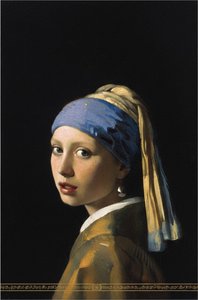
A Hollandi Aranykor 10 Mesterműve: Festmények, Amelyek Megváltoztatták a Világot | AllPaintingsStore.com
Fedezze fel a Hollandi Aranykor 10 legikonikusabb műalkotását! Rembrandt, Vermeer és más mesterek festményeinek történeteit olvassa el. Barokk stílus, klasszikus művészet – inspirálódjon otthon dekorációjához a AllPaintingsStore.com-on! Fedezze fel a teljes gyűjteményt online.


