


 Megtekintés
 Küldés
 Megosztás
 Részletek
 Útmutató

 Letöltés
 Hasonló darabok
 X-ray felvétel
 Diavetítés
 Statisztika
Prophet

 Összes részlet megjelenítése
Giclée / Műnyomat
Múzeumi minőségű giclée vagy vászonnyomat, gyors gyártással és rugalmas finomítási lehetőségekkel. ( Kézzel festett másolat rendelése Áttérés digitális képre)




P118B Ft10

P118H Ft10

P118W Ft10

P438Z Ft10

P508JH Ft12

P508YH Ft12

P805H Ft10

P805Z Ft10

P919BZ Ft10

P919G Ft10

P919XJ Ft10

P959ZH Ft10

P968JZ Ft12

W106C Ft8

W218G Ft10

W218JH Ft8

W218Y Ft10

W307PJ Ft10

W316G Ft10

W316PJ Ft8

W316Y Ft10

W398PJ Ft8

W4111J Ft10

W500HY Ft15

W500JH Ft15

W692G Ft12

W849H Ft8

W940BG Ft15

W953PJ Ft8




Válasszon előre meghatározott méreteink közül, amelyek megfelelnek a műalkotás eredeti arányainak.

Írja be a keretének vagy a falának megfelelő szélességet és magasságot. A nyomatot csak le lehet vágni, soha nem tehető nagyobbá, mint az eredeti kép, így egy eltérő alakú méretnél a kép egy része elveszik. Mielőtt bármit kinyatintanánk, küldünk egy digitális próbamodellt jóváhagyásra. Az oldalon látható kép nem tartalmazza a valós levágást — ezt csak a próbamodell mutatja meg.
Világszerte történő kiszállítás területére mindössze 2 hét alatt, a szokásos 4-5 hét helyett. (27 október)

Ingyenes globális expressz szállítás

Prémium minőségű len vászon

Teljes körű szállítási biztosítás

Vámvisszatérítési Garancia

Hiteles színarányosság garancia

100 napos visszaküldési lehetőség (csak hibás termékek esetén)

100% pénzvisszatérítési garancia

Több darab vásárlásakor kedvezmény
 Az üvegkeretes opció csak 110 cm alatti méretben érhető el

Prophet
Giclée / Műnyomat
Reprodukció mérete
-


Összesített ár
Ft 20545
A Vision of Spiritual Authority
Piero della Francesca's "Prophet," painted circa 1452-1466, isn’t merely a depiction of a biblical figure; it’s a profound meditation on faith, power, and the human condition. This arresting fresco, housed within the Residenza in Sansepolcro, Italy – a civic hall transformed into a sacred space – immediately commands attention with its stark simplicity and masterful use of perspective. The subject is a man, draped in a rich crimson robe, standing upon a step, his hands raised in an act of solemnity. He holds something unseen, perhaps a scroll or a symbol of divine communication, adding to the air of mystery and reverence surrounding him.
The painting’s power lies not just in its subject matter but also in Piero's revolutionary approach to representation. Unlike many of his contemporaries who embraced the vibrant colors and emotional intensity of Florentine art, Piero favored a restrained palette – primarily earth tones punctuated by the deep red of the prophet’s robe and the cool blue of his undergarments. This deliberate choice contributes to the painting’s sense of timelessness and gravitas. He eschewed dramatic gestures or expressive faces, instead opting for an almost sculptural quality in his figures, reminiscent of classical antiquity – a conscious decision reflecting his deep engagement with the mathematical principles underpinning Renaissance art.
The Geometry of Faith
Piero della Francesca was obsessed with geometry and proportion, concepts he believed were divinely ordained. “Prophet” is a testament to this belief; the composition itself is built upon rigorous geometric structures. The step on which the prophet stands, for instance, creates a strong diagonal line that draws the eye towards him, while the background architecture adheres to strict linear perspective – a technique pioneered by Piero himself and one that lends an astonishing sense of realism to the scene. This meticulous attention to detail isn’t merely aesthetic; it's a visual representation of order and harmony, mirroring the perceived order of the universe as understood within Renaissance thought.
The use of perspective is particularly striking. The vanishing point, subtly placed in the prophet’s face, creates an illusion of depth that draws the viewer into the scene. This technique, combined with Piero's mastery of light and shadow, imbues the painting with a palpable sense of atmosphere – a feeling of quiet contemplation and spiritual significance. It’s as if we are witnessing a sacred moment frozen in time.
Symbolism and Spiritual Resonance
Beyond its technical brilliance, “Prophet” is rich in symbolic meaning. The prophet's raised hands suggest an act of prayer or communication with the divine. The unseen object he holds could represent a prophecy, a message from God, or perhaps even the very essence of faith itself. The presence of the chair in the background – a mundane element within a sacred space – subtly highlights the contrast between the earthly and the spiritual realms.
Interestingly, the painting’s context is crucial to understanding its full significance. It was commissioned for the Residenza, a building used by the city's magistrates, suggesting that Piero intended the image to serve as a reminder of civic duty and moral responsibility alongside religious devotion. The inclusion of elements like the two pilgrims in the background, carrying relics from the True Cross, further reinforces this connection between faith and public life.
A Timeless Masterpiece – Reimagined
Piero della Francesca’s “Prophet” is a cornerstone of Renaissance art, celebrated for its intellectual rigor, technical innovation, and profound spiritual depth. AllPaintingsStore offers meticulously crafted hand-painted reproductions that capture the essence of this iconic masterpiece, allowing you to experience its beauty and significance in your own home or office. Each reproduction is created using traditional techniques and archival quality materials, ensuring that it will endure for generations to come. Explore our collection today and bring a touch of Renaissance wisdom into your space.
Kérdések és válaszok
Milyen orientációjú a „Prophet”, Piero della Francesca alkotása?
A "Prophet" formátuma Tall. Ez hasznos, amikor tervezünk, hogy a reprodukciót hová helyezzük el.
Milyen más neveken ismert Piero della Francesca?
Piero della Francesca a következő más néven is ismert: Piero di Benedetto de Franceschi.
Megtekinthető a "Prophet" teljes képernyős diaporámaként is?
Elérhető egy diaváltó: a Diaváltás oldala a(z) „Prophet”, Piero della Francesca alkotása alkotáshoz.
Hasonló műalkotások


A művész életrajza
Egy toszkánai látnok: Piero della Francesca élete és művészete
Piero di Benedetto de’ Franceschi, a történelemben Piero della Francescaként ismert festő körülbelül 1415-ben született az Umbria csendes kisvárosában, Sansepolcróban. Viszonylag szerény háttérből származott, ám hamarosan a korai reneszánsz legintellektuálisabb és legtöbbet befolyásoló festőinek egyike lett. Piero élete meglehetősen titokzatos maradt; családi háttere és kezdeti tanulmányai nem teljesen tisztázottak. Azonban bizonyos, hogy rendkívüli elméje volt, melyet egyaránt vonzottak Firenze fejlődő művészeti áramlatai és a matematika és geometria precíz nyelve. Apja cipész és bőrkezelő volt, biztosítva Piero számára a stabil, bár nem feltűnős nevelést. Valószínűleg kezdeti művészi képzése helyben zajlott, átvéve a közép-itáliai festészet hagyományait Masaccio és Brunelleschi által indított radikális változtatások előtt. Ez a korai alapozás kulcsfontosságúvá vált Piero egyedi szintézisének kialakításában a gótikus elegancia és a reneszánsz innováció között.Firenze hajnala és az új esztétika
Körülbelül 1439-ben Piero Firenzébe utazott, amely akkor vibráló művészeti energiával pezsgett. Ez az időszak sorsfordító volt számára. Domenico Venezianóval együtt dolgozott a Sant’Egidio templom freskóin, ami közvetlen kapcsolatot teremtett a virágzó firenzei stílussal. Ennél fontosabb azonban, hogy elmerült Masaccio áttörő freskói tanulmányozásában a Brancacci kápolnában – egy felfedezés a naturalizmus és a térillúzió terén. Brunelleschi építészeti innovációinak hatása, különösen a lineáris perspektíva elsajátítása szintén mélyen befolyásolta Piero művészeti fejlődését. Ő nem egyszerűen átvette ezeket a technikákat; *elemzett* őket, feltárta az alapvető matematikai elveiket. Ez az elemző megközelítés vált munkájának védjegyévé, megkülönböztetve őt sok kortársától. Átvette a firenzei realizmus és anatómia hangsúlyát, de egyedi lencsén keresztül szűrte azt, amely a nyugalomra, tisztaságra és az aszketikus szépségre jellemző volt. Sansepolcróba való visszatérése után Piero kezdett vezető művészként elismertté válni, bár évtizedekig utazott és dolgozott Olaszországban.A fény és a geometria mesterművei
Piero della Francesca művészeti öröksége viszonylag kis, de rendkívül erőteljes munkakörre épül. Talán legnagyobb eredménye *A Szent Kereszt története* freskóciklusa az arezzói San Francesco templomban. Ez monumentális elbeszélés figyelemreméltó tisztasággal és nyugalmmal bontakozik ki, ábrázolva a kereszt fája legendájának jeleneteit példátlan térbeli mélységérzéssel és pszichológiai betekintéssel. Az alakok nem csupán bibliai karakterek ábrázolásai; csendes méltóságba és kontemplatív állapothoz vannak öntve, ami magasztos archetipikus formákká emeli őket. A *Montefeltro oltárképet*, amely ma a milánói Brera Galériában található, olajfestészeti tudása és kifinomult portréfestészete mutatja be, lenyűgöző ábrázolásokkal Federico da Montefeltróról és Battista Sforzáról – olyan portrékról, amelyek pszichológiai élességükről és aprólékos részleteikről híresek. *A Keresztelés* a londoni National Galleryben egy másik bizonyítéka képességeinek; elegáns kompozíciója, ragyogó színei és a fény finom felfedezése mély spirituális rezonanciát teremt. Stílusa következetesen tanúbítja a geometriai pontosságot, az egyensúlyozott kompozíciókat és a visszafogott palettát, a fényt és az árnyékot nem csupán esztétikai hatásként használva, hanem eszközként a forma meghatározására és a tapintható térérzet megteremtésére.A festőecseten túl: egy matematikus látása
Piero della Francescát igazán egyedi intellektuális szélessége különbözteti meg. Ő nem csupán művész volt; ő egy matematikus, geometer és szerző is. *De Prospectiva Pingendi* (A perspektíváról festés) című értekezése az egyik legkorábbi formális értekezés a perspektíváról, bemutatva mély megértését a matematikai elvekről és azok alkalmazásáról a művészetben. Ez a munka nem csupán elméleti volt; minden aspektusát befolyásolta festészete. Gondosan kiszámította a térbeli kapcsolatokat, geometriai konstrukciókat használt a kompozíciók megszervezésére, és a fényt nemcsak a megvilágításra használta, hanem a formák tudományos pontossággal történő meghatározására is. Optikával kapcsolatos érdeklődése tovább növelte képességét a mélység és a realizmus illúzióinak létrehozására. Ez a művészi érzékenység és matematikai szigor fúziója adja Piero munkájának tartós erejét és intellektuális súlyát. Hitt abban, hogy a szépség a rendben és az arányokban rejlik, és törekedett ezeket az elveket vizuális formába önteni.Tartós örökség
Piero della Francesca 1492-ben halt meg, és egy olyan örökséget hagyott maga után, amelyet évszázadokig nem értékelték teljes mértékben. Bár nem volt annyira termékeny, mint kortársai, például Leonardo da Vinci vagy Michelangelo, fennmaradt munkái finom, de mély hatást gyakoroltak a művészek generációira. Leonardo maga tanulmányozta Piero technikáit és csodálta fény- és árnyékkezelését. Raffaello is inspirációt merített kompozícióiból és térbeli elrendezéseiből. A 20. században a művészettörténészek újrafelfedezték Piero munkásságát, felismerve őt a reneszánsz művészet kulcsfontosságú alakjának – egy híd a nemzetközi gótikus stílus és a magas reneszánsz között. A matematikai perspektíva hangsúlyozása, a realista ábrázolás és a nyugodt humanizmus továbbra is visszhangzik a művészekben és a nézőkben egyaránt, megerősítve helyét az olasz reneszánsz egyik legfontosabb és legtartósabb mestereként. Festményei nem csupán gyönyörű tárgyak; ablakok egy olyan világba, ahol a művészet, a tudomány és a spiritualitás harmonikus egyensúlyban találkozik.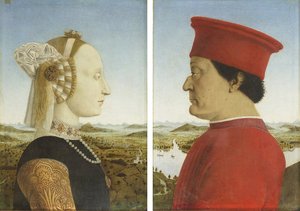
Piero della Francesca
1415 - 1492 , Olaszország
Rövid információk
- Artistic Movement Or Style: Korai reneszánsz
- Artists Or Movements Influenced By This Artist:
- Leonardo da Vinci
- Raphael
- Artists Who Influenced This Artist:
- Masaccio
- Domenico Veneziano
- Date Of Birth: kb. 1415
- Date Of Death: 1492
- Full Name: Piero di Benedetto de’ Franceschi
- Nationality: Olasz
- Notable Artworks:
- A Szent Kereszt története
- Montefeltro oltárkép
- Keresztelés
- Place Of Birth (City And Country): Sansepolcro, Olaszország
Kapcsolódó cikkek

Fresco Art Guide: Mastering the Timeless Technique of Wall Painting for Luxury Interior Design
Master the art of fresco for luxury hospitality design. Explore technical insights into historical wall painting and discover how professional-grade, large-scale reproductions can elevate hotel interiors with timeless Renaissance elegance.


