Piet Mondrian életútja és identitása
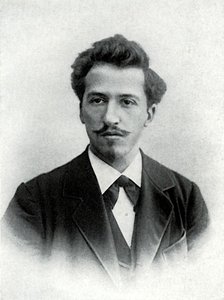
A XX. század vizuális nyelvét alapjaiban megformáló ember életútja Pieter Cornelis Mondriaan, Jr.-ként indult. 1872. március 7-én született Amersfoort, Hollandia csendes környezetében. Éveken át ezen a hivatalos néven működött, amíg 1911-ben nem következett be egy döntő változás, amikor átvette a Piet Mondrian nevet. Holland festő és művésztelemző, akinek intelektuális törekvése a létezés legbonyolultabb struktúráinak feltérképezésére irányult, mind ezt a festék és a elmélet erejével próbálta megvalósítani.
Élete a holland vidék nyugalmától a globális színpad rohanó energiájáig fajult. Életének utolsó fejezetét New York, USA vibráló falai között élti meg, ahol 1944. február 1-jén, pneumóniában hunyt el. Fiatalabb évei naturalisztikus tájképei és későbbi évek merev, ritmikus rácsos szerkezetei közötti átmenet nem csupán stílusváltást, hanem a művészeti célok teljes átalakulását jelenti.
Korai évek, család és oktatás
A holland Amersfoort adja a színbokeit az életének kezdeti szakaszának. Piet Mondrian egy szigorú protestáns családban születik, ahol a környezetet egyfajta fegyelmezett, vallásos rend határozza meg. A családban a művészet jelen van: édesapja, Pieter Cornelius Mondriaan, Sr., főtanár és amatőr rajztanár, míg nagybátyja, Frits Mondriaan, tájképfestő, a vizuális világ iránti érdeklődést kelti. A fiú már korai évezredtől kezdve a családi kapcsolatok művészi iránytűje mellett rajzol, érezve a vizuális kifejezés erejét.
A professzionális képzés felé vezető út egyenesen és határozottan indul el. 1892-re Piet Mondrian már képes oklevélt is szerez a rajztanár-szakmában. Ezután Áamsterdambe költözik, hogy beiratálkodjon a Rijksakademie van Beeldende Kunsten akadémiára, ahol 1892 és 1897 között tanul. Az akademia biztosítja azt a technikai alapozást, amely később megformálja fejlődő művészi látásmódját. Ezt a formative, meghatározó időszakot az Utrechtben található Kunstliefde művészeti társaság tagjaként tölti, ahol tovább bővül a művészeti horizontja.
A holland korszak és az impresszionista gyökerek
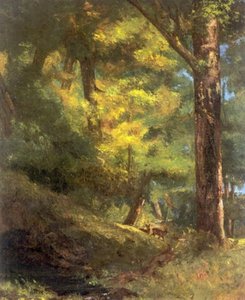
A holland táj a művész első vászonát adja. Hollandia csendjében Mondrian megörökíti környezete nehéz felhőit és a szélින් lüktető malomait. Ezek az early alkotások még naturalisztikusak, a régiót meghatározó folyókra és polderekre fókuszálva készülték. A Hágai Iskola és a holland impresszionizmus hagyományai keretében dolgozik, olyan színpalettát használva, amely a holland vidék lágy, visszafogott fényét tükrözi. Olyan művekben, mint A vörös malom, a téma még egyértelmétúan felismerhető marad, a föld fizikai valóságában gyökerezve.
A változás 1908-ban kezdődik meg. Ahogy a teozófiai mozgalomhoz kapcsolódik, egy rejtett, univerzális rend utáni kutatás kezd meg tornyosulni ecsetvonásai között. Elmozdul a puszta ábrázolástól; a pontillizmus strukturált pontjaival és a fauvizmus merész, nem természetes színeivel kísérletezik. A fókusz az objektum felszínéről az alapvető, belső struktúrára vándorol. 1909-re pedig már megállapított helyét szerezte a holland művészeti életben egy jelentős kiállítással az amsterdami Stedelijk Museum-ban.
- A vörös malom
- Este (Avond) (1908)
A párizsi ébredés és a kubizmus
Párizs, 1912. A város egy új, agresszív energiától pulserál. Mondrian a hollandországi tájról érkezik, és elhagyja nevének régi holland írásmódját, hogy végre egyszerűen Mondrian legyen. Egy olyan tájra lép be, ahol a reprezentáció hagyományos szabályait már lebontották. A kubizmussal való találkozás alapjaiban változtatja meg művészetének irányvonalát. Figyelemmel kíséri Georges Braque és Pablo Picasso kísérleteit, megfigölve, hogyan bontják szét a tárgyakat geometriai elemekre. A fókusz eltolakul: nem arról van szó, hogy mit lát a szem, hanem arról, hogyan érzékeli a szem a struktúrát. Elszakad a valóság ábrázolásától, és inkább a formák elemzésére törekszik síkokon és vonalakon keresztül.
Ez az időszak radikális odatoltás a korábbi tájképességeitől. Már nem érdekli a holland vidék lágy fénye. Ehelyett egy független, absztrakt stílust fejleszt ki, amely során eltávolítja az idegen, véletlenszerű részleteket, hogy egy alapvetőbbebb vizuális nyelvet találjon meg. Ez a folyamat nem egy hirtelen ugrás, hanem egy folyamatos, fegyelmezett redukció. A tiszta absztrakció útján keresi az létezés mögöttes szerkezetének kifejezésének módját. Ifjabb korai műveit meghatározó organikus ívek helyét az egymást metsző síkok feszültsége veszi át.
A Neoplasticizmus és a De Stijl születése
Az univerzális igazság keresése egy fordulópontra jut el. 1917-re az alakzatok dekonstruálása már túlmutatott az egyszerű tárgyak darabos fragmentációján. Mondrian Theo van Doesburg-gal együtt alapította a De Stijl mozgalmat, azzal a céllal, hogy olyan vizuális nyelvet alkosson, amely meghaladja a természet véletlenszerű részleteit. E folyamat során a nem-representatív formák felé indult el, amelyet Neoplasticizmusnak nevezett. Ez a radikális odatördülés a megfogaszthatótól való elszállást jelentette: úgy vélte, a művészetnek a valóság felett kell állnia, egy tiszta, spirituális rend tartományában létezve, ahelyett, hogy a fizikai világ kaotikus felszínét tükrözné.
A vizuális szókincs ebben a szakaszban absolútvá válik. A művész minden ívet és átlós vonalat eltávolít, csupán a vízszintes és függőleges vonalak feszültségét hagyva maga után. A színt már nem a táj fényeihez vagy árnyékaihoz használja; helyette az abszolút, legesszenciálisabb elemeire redukálja. Palettáját a három primáris színre korlátozza: pirosra, kékre és sárgára. Ezeket az elemeket pedig a három alapvető értékkel: fekete, fehér és szürke kombinációjával egyensúlyozza. Az eredmény egy merev, geometriai egyensúly, amely egy rejtett, strukturális harmónia megjelenítésére törekszik.
New York és az utolsó ritmus
A háború egy végső, feltöltődött mozgásra kényszeríti a művészt. 1938-as londoni rövid tartózkodás után Mondrian 1940 októberjében megérkezik New Yorkba. Korábbi évek merev, geometriai rendje itt találkozik Manhattan szökegyező, szinkopált energiájával. A művész csatlakozik az American Abstract Artistshez, megtalálva egy új környezetet folyamatosan fejlődő látásmódjához. A város pulzálása mindenütt érezhető: ott rejlik a utcák rácsos szerkezetében és a jazz zene staccato ritmusában. Ez az urbanisztikai dinamizmus elkezdődik, és megtöri a színblokkokhoz való szigorú, rideg ragaszkodását.
A vonalak elindulnak táncolni. Az élet utolsó éveiben a korábbi Neoplasticizmus nehéz, fekete sávjai egy fragmentáltabb, ritmikusabb forma mögé hátránylanak. A kompozíciók elveszítik statikus súlyukat, és helyettük egy vibráló, csillanó mozgás jelenik meg, amely a metropolisz saját, elektromos életének tükröződik. A nagyváros esszenciáját nem a felhőkezegény épületeken keresztül, hanem a város tempóján keresztül fogja meg. Ez a transzformáció a legnyilvánosabb későbbi műveiben, ahol a rácsos szerkezet apró, pulzáló színnégyzetek sorozatává változik.
Technika és művészeti stílus
A vászon az abszolút redukció színteréggé válik. Piet Mondrian elhagyja a fizikai világ véletlenszerű részleteit, hogy elérje a szerkezeti igazságot. Technikai megközelítése a pontos, tiszta vonalakra és a sík, egyenletes színtöredékekre épül, amelyek határozottan elutasítják a mélység vagy a textúra érzetét. Nincsenek itt a tekintetet elterelő ecsetvonások, csak a forma és a tér metszéspontja. A művész a tiszta absztrakcióján keresztül törekszik az univerzális igazságok kifejezésére, elmozdulva a természet utánzásától egy esszenciális rend vizuális nyelvét felé.
Ezt a rendet szigorú geometriai törvények irányítják. Érett művészeti korszakában a vizuális szókincs a egyenes vonalak és a derékszögök legegyszerűbb kombinációira korlátozódik. A vízszintes és vertikális irányok szigorú keretein belül mozog. A rácsos struktúrához való hűsége olyan absolút, hogy híresen elkerüli a diagnoszkus vonalak használatát is, mivel azokat a fondamentumos egyensúlytól való eltéréseknek tekinti, amelyet egész életében kerest. Műveiben tapasztalható feszültség nem a mozgásból, hanem ezek egymást metsző sínyok kalkulált egyensúlyából fakad.
- Composition with Red, Blue and Yellow
- Composition with Red, Black, Blue, Yellow and Grey
- Broadway Boogie Woogie
Örökség és hatás a modern kultúrában
A rácsos mintázat messze túlnyúlik a vászon határain. A derékszög logikája és az elsődleges színek palettája átszövi a modern város utcáit, megnyilvánulva az építészet strukturális tisztaságában, valamint a tipogrofia és a grafikus design precíz elrendezéseiben. Ez a vizuális nyelv állandó elem marad a kortempest művészeti tájában, megjelenve a modern csomagolások letisztult elrendezéseiben és a reklámok markáns kompozícióiban.
1965-ben ez az esztétika a magasztartalom divatjába lépett be. Yves Saint Laurent a mozgalom geometriai alapelveit a Mondrian-kollekcióvá formálta át. Ebből a látásmódból hat különleges koktélruha született, amelyek először elszínezett anyagokat használtak a színes blokkok és a grafikus, fekete vonalak létrehozására. Ezek a ruhák nem csupán egyszerű nyomatékok voltak; az anyagokat különálló darabokból állították össze, hogy a vonalak szintekkel integrálódjanak a varratokba, megőrizve a strukturális integritás érzését még a mozgás során is.
A hatás ma is fennáll azáltól, ahogyan vizuális információkat rendszerezünk. A nehéz, fekete sávok és a piros, kék, sárga elsődleges színek közötti feszültség továbbra is meghatározza a modern vizuális kultúra ritmusát.
Hol tekinthetjük meg műveit ma?
Mondrian vizuális logikájának feltámadása számos kulcsfontosságú intézményhez vezet Európa és Észak-Amerika különböző városaiban. Hollandiában az Otterloban található Kröller-Müller Museum jelentős gyűjteménnyel, hat művel tart fenn, amely meghatározó helyet biztosít művészének. A közelben, a Kunstmuseum Den Haag őrzi azokat a darabokat, amelyek a korai, még figuratívabb átmeneti szakaszait ragadják el, köztük az Devotion című alkotást is.
A tiszta absztrakció felé vezető fejlődés az Egyesült Államokban is megtalálta helyét. A Fort Worth-i Kimbell Art Museum három művel büszkélkedhet, míg a New York-i Metropolitan Museum of Art szintén őrzi fejlődése során született alkotásait. Ezek a gyűjtemények lehetőséget biztosítanak arra, hogy nyomon kövessük azt a lenyűgöző utat, amely a fiatalkori naturalisztikus tájképezésből a későbbi évek merev, ritmikus rácsozásáig vezetett.
- Devotion
- Composition with Red, Blue and Yellow
- Broadway Boogie Woogie


 Összes részlet megjelenítése



 Váltás nyomtatványra


 A bármely oldalsó méretét túlszálaló 105 cm (kb. 41 hüvelyk) meghaladó műalkotások vagy reprodukciók esetében a keret összeszerelhető készletként, szétszerelve kerül szállításra. Ez a módszer biztosítja a biztonságos szállítást, és megakadályozza a szállítás során fellépő sérüléseket.


