


 Megtekintés
 Küldés
 Megosztás
 Részletek
 Útmutató

 Letöltés
 Hasonló darabok
 X-ray felvétel
 Diavetítés
 Kérdések és válaszok
 Statisztika
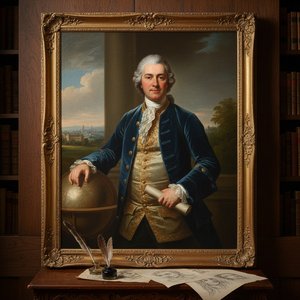
Robert Walpole

 Összes részlet megjelenítése
Giclée / Műnyomat
Múzeumi minőségű giclée vagy vászonnyomat, gyors gyártással és rugalmas finomítási lehetőségekkel. ( Kézzel festett másolat rendelése Áttérés digitális képre)




P118B Ft10

P118H Ft10

P118W Ft10

P438Z Ft10

P508JH Ft12

P508YH Ft12

P805H Ft10

P805Z Ft10

P919BZ Ft10

P919G Ft10

P919XJ Ft10

P959ZH Ft10

P968JZ Ft12

W106C Ft8

W218G Ft10

W218JH Ft8

W218Y Ft10

W307PJ Ft10

W316G Ft10

W316PJ Ft8

W316Y Ft10

W398PJ Ft8

W4111J Ft10

W500HY Ft15

W500JH Ft15

W692G Ft12

W849H Ft8

W940BG Ft15

W953PJ Ft8




Válasszon előre meghatározott méreteink közül, amelyek megfelelnek a műalkotás eredeti arányainak.

Írja be a keretének vagy a falának megfelelő szélességet és magasságot. A nyomatot csak le lehet vágni, soha nem tehető nagyobbá, mint az eredeti kép, így egy eltérő alakú méretnél a kép egy része elveszik. Mielőtt bármit kinyatintanánk, küldünk egy digitális próbamodellt jóváhagyásra. Az oldalon látható kép nem tartalmazza a valós levágást — ezt csak a próbamodell mutatja meg.
Világszerte történő kiszállítás területére mindössze 2 hét alatt, a szokásos 4-5 hét helyett. (5 november)

Ingyenes globális expressz szállítás

Prémium minőségű len vászon

Teljes körű szállítási biztosítás

Vámvisszatérítési Garancia

Hiteles színarányosság garancia

100 napos visszaküldési lehetőség (csak hibás termékek esetén)

100% pénzvisszatérítési garancia

Több darab vásárlásakor kedvezmény
 Az üvegkeretes opció csak 110 cm alatti méretben érhető el

Robert Walpole
Giclée / Műnyomat
Reprodukció mérete
-


Összesített ár
Ft 21259
Hasonló műalkotások


A művész életrajza
A Brush with Nobility: The Life and Art of Richard Brompton
Richard Brompton, born in 1734 in the United Kingdom, emerged as a significant figure within the vibrant landscape of 18th-century British portraiture. While biographical details remain somewhat elusive, his artistic legacy speaks volumes – a testament to his skill in capturing not merely likenesses, but the very essence of an aristocratic society on the cusp of change. Brompton’s career flourished during the Georgian era, a period defined by refined elegance, burgeoning empire, and a growing fascination with classical ideals. He wasn't simply *a* portrait painter; he was a chronicler of his time, immortalizing the faces that shaped its political and cultural narrative. His canvases offer a fascinating glimpse into the world of nobility, military heroes, and even royalty, establishing him as a sought-after artist amongst the elite.Early Training and Artistic Development
The specifics of Brompton’s early artistic training are largely undocumented, a common occurrence for artists of his period who often learned through apprenticeships or private instruction. However, the influence of prominent portraitists like Thomas Hudson and Joshua Reynolds is readily apparent in his work. Like his contemporaries, Brompton embraced the Grand Manner style – an approach that elevated portraiture beyond mere representation to emulate the scale and dignity of historical painting. This meant a focus on composition, dramatic lighting, and carefully constructed poses designed to convey status, power, and moral virtue. His early works demonstrate a meticulous attention to detail, particularly in rendering fabrics and textures, suggesting a solid foundation in technical skill. He quickly moved beyond imitation, developing a distinctive style characterized by a subtle yet compelling psychological depth in his subjects’ expressions.Patronage and Major Achievements
Brompton's success was inextricably linked to the patronage of influential figures. His ability to portray individuals with both accuracy and flattery secured him commissions from members of the British aristocracy, naval officers, and even European royalty. Among his most celebrated achievements are portraits of Catherine II of Russia (Catherine the Great), a testament to his international reputation, and Admiral Edward Hawke, Lord Hawke – a hero of the Seven Years’ War. The portrait of Admiral Saunders is another notable example, showcasing Brompton's skill in depicting military prowess and authority. These works weren’t simply exercises in artistic technique; they were statements of power, prestige, and national pride. Brompton excelled at capturing the character of his sitters, imbuing them with a sense of dignity and gravitas that resonated with their social standing. His portraits often served as diplomatic gifts or symbols of allegiance, further solidifying his position within the upper echelons of society.Style and Technique: A Master of Refinement
Brompton’s artistic style is defined by a refined elegance and subtle realism. He favored a relatively restrained palette, employing rich, warm tones to create a sense of depth and luminosity. His brushwork is smooth and polished, avoiding overt displays of virtuosity in favor of meticulous detail and accurate representation. He was particularly adept at capturing the textures of silk, velvet, and lace, adding to the overall impression of opulence and refinement. Unlike some of his more flamboyant contemporaries, Brompton’s compositions are typically balanced and harmonious, focusing attention on the sitter's face and expression. He skillfully used light and shadow to sculpt forms and create a sense of volume, enhancing the three-dimensionality of his portraits. His ability to convey personality through subtle nuances in pose and facial expression set him apart as a master portraitist.Historical Significance and Legacy
Richard Brompton died in 1783, leaving behind a body of work that provides invaluable insights into the social and political landscape of 18th-century Britain. His portraits offer a visual record of the individuals who shaped the era – from naval heroes to powerful aristocrats and even European royalty. While he may not be as widely recognized as some of his more famous contemporaries, Brompton’s contribution to British portraiture is significant.- His paintings are prized for their accuracy, elegance, and psychological depth.
- He successfully captured the spirit of the Georgian era, immortalizing its values and ideals.
- His portraits serve as important historical documents, providing a glimpse into the lives of the elite.

Richard Brompton
1734 - 1783 , United Kingdom
Rövid információk
- Full Name: Richard Brompton
- Nationality: British
- Date Of Birth: 1734
- Date Of Death: 1783
- Place Of Birth: United Kingdom
- Notable Artworks:
- Portrait of William Pitt, 1st Earl of Chatham
- Portrait of Catherine II
- Artistic Movement Or Style: Neoclassical Portraiture
- Artists Who Influenced This Artist: ['Joshua Reynolds']
- Artists Or Movements Influenced By This Artist: ['Classical Portraiture']
Kapcsolódó cikkek

Ramsay Richard Reinagle: A Study in British Sporting Art & Zoological Illustration
Explore the life & work of Ramsay Richard Reinagle (1775-1862), a key figure in British sporting art and animal portraiture. Discover his landscapes, panoramas, and contributions to zoological illustration with AllPaintingsStore.

Richard Westall: Romantic Visions & the Rise of British Landscape & Portraiture
Explore the life & art of Richard Westall (1765-1836), a key figure in British Romanticism. Discover his iconic portraits, literary illustrations, and landscapes – plus collecting insights.

Robert Bevan: Pioneering British Post-Impressionism & the Camden Town Group's Intimate Vision
Explore the life & work of Robert Bevan, a pioneer of British Post-Impressionism and founding member of the Camden Town Group. Discover his vibrant landscapes and lasting impact on early 20th-century art.

Sir Joshua Reynolds: Shaping British Art Through Grand Style & Societal Portraiture
Explore the life & work of Sir Joshua Reynolds, a master of British portraiture and founder of the Royal Academy. Discover his 'Grand Style,' techniques, and lasting influence on art history. Learn more at AllPaintingsStore.
Thomas Hudson: A Study in 18th-Century Portraiture & British Artistic Identity
Explore the life & work of Thomas Hudson, a leading 18th-century British portraitist. Discover his mastery of the 'Grand Manner,' influential style, and lasting impact on British art. Learn about his notable portraits like Judge William Noel & Alexander Van Aken.