


 Megtekintés
 Küldés
 Megosztás
 Részletek

 Letöltés
 Hasonló darabok
 X-ray felvétel
 Diavetítés
Purgatory

 Összes részlet megjelenítése
Giclée / Műnyomat
Múzeumi minőségű giclée vagy vászonnyomat, gyors gyártással és rugalmas finomítási lehetőségekkel. ( Kézzel festett másolat rendelése Kép letöltése)




































Válasszon előre meghatározott méreteink közül, amelyek megfelelnek a műalkotás eredeti arányainak.

Megadhat saját méreteket is egy konkrét kerethez vagy helyszínhez igazítva. Amennyiben a kiválasztott méret nem egyezik az eredeti kép arányokkal, a műalkotást le fogjuk vágni, vagy kiegészítjük a képet tükrözött vagy egyszínű szélekkel. A gyártás megkezdése előtt egy digitális tervezetet küldünk jóváhagyásra.
Kérjük, vegye figyelembe, hogy a képernyőn látható előnézet nem tükrözi a tényleges levágást vagy kiegészítést. Csak a tervezet mutatja pontosan a végső kompozíciót.
Bár az egyedi méretek is elérhetőek, az eredeti arányok megőrzése érdekében azt javasoljuk, hogy válasszon a előre meghatározott listából származó méretet.
Világszerte történő kiszállítás területére mindössze 2 hét alatt, a szokásos 4-5 hét helyett. (23 augusztus)

Ingyenes globális expressz szállítás

Prémium minőségű len vászon

Teljes körű szállítási biztosítás

Vámvisszatérítési Garancia

Hiteles színpontosság garancia

60 napos visszaküldési lehetőség (csak hibás termékek esetén)

100% pénzvisszatérítési garancia

Több darab vásárlása esetén kedvezmény
 Az üvegkeretes opció csak 110 cm alatti méretben érhető el

Purgatory
Giclée / Műnyomat
Reprodukció mérete
-


Összesített ár
$ 64
Gyűjthető leírása
Botticelli's Vision of Purgatory: A Detailed Study
The preparatory drawing for Botticelli’s depiction of Purgatory stands as a remarkable testament to the artist’s meticulous observation and masterful execution—a window into the creative process behind one of Renaissance art’s most iconic images. Executed in pen and ink on paper, this study transcends mere technical demonstration; it embodies Botticelli's signature style, infused with humanist ideals and steeped in theological contemplation. It offers invaluable insight into how he envisioned Dante Alighieri’s harrowing journey through the afterlife, capturing not just the visual elements but also the profound spiritual atmosphere of purgatorial torment.Composition and Spatial Arrangement
Botticelli’s compositional strategy prioritizes conveying a sense of hierarchy and movement within the confines of a relatively small surface area. The drawing depicts Purgatory as a layered landscape—a tiered structure ascending towards heaven—populated by figures engaged in various stages of purification. At the uppermost level, a group of saints observes the scene below, symbolizing divine judgment and guiding souls toward salvation. Central to the composition is a monumental edifice adorned with intricate architectural details, representing purgatorial purgatories where penitents confront their sins and strive for redemption. Below this dominant structure sprawl undulating plains populated by tormented souls—a chaotic yet purposeful arrangement designed to communicate the arduous process of spiritual cleansing. The artist skillfully utilizes perspective to create depth and convey the overwhelming scale of purgatory’s expanse.Technique: Linearity and Shading – Botticelli's Signature Style
Botticelli’s technique is characterized by an unwavering commitment to linear precision—a hallmark of Florentine disegno, or drawing—combined with subtle shading to achieve remarkable realism. The artist employs hatching and cross-hatching extensively to render form and volume, capturing the textures of drapery, stone, and flesh with astonishing accuracy. Fine lines delineate anatomical features and clothing folds, demonstrating Botticelli’s profound understanding of human anatomy gleaned from his studies at Vesuvian Medical School. Furthermore, he skillfully manipulates tonal variations—ranging from pale grey to darker shades—to simulate light and shadow, creating a palpable sense of atmosphere and conveying the emotional intensity of the scene. The meticulous attention to detail reflects Botticelli's belief in disegno as the foundation for painting, ensuring that any subsequent fresco would possess an unparalleled level of expressive power.Historical Context: Dante’s Inferno and Renaissance Theology
Botticelli’s drawing emerged from a fervent intellectual climate dominated by Dante Alighieri’s *Inferno*, published in 1308—a seminal work of medieval literature that profoundly influenced artistic sensibilities. Dante's depiction of Hell captivated the imagination of artists and intellectuals alike, prompting them to explore themes of morality, sin, and divine retribution. Botticelli’s commission to depict Purgatory for Lorenzo de Medici—the Magnificent—underscored the importance of humanist ideals within Florentine culture. The Renaissance preoccupation with classical antiquity fueled a renewed interest in human anatomy and proportion, informing Botticelli's artistic endeavors. Moreover, theological considerations shaped his interpretation of purgatorial torment—representing not merely physical suffering but also spiritual purification through repentance and contrition.Symbolism: Flames, Architecture, and Divine Guidance
The drawing is replete with symbolic imagery reflecting Dante’s theological framework. The dominant presence of flames symbolizes the purifying fire that consumes sins and expels impurities from souls destined for heaven. These flames are depicted as swirling vortices—a visual metaphor for the turbulent process of spiritual transformation. Architectural elements—particularly the edifice at the center—represent purgatorial purgatories governed by divine justice, where penitents confront their transgressions and strive to attain redemption. The saints observing the scene embody divine compassion and guidance—representing God’s benevolent intervention in humanity's struggle for salvation. Botticelli’s masterful use of symbolism elevates his drawing beyond mere visual representation, transforming it into a profound meditation on faith, morality, and the ultimate destiny of humankind.Emotional Impact: A Momentary Glimpse Into Dante’s Journey
Ultimately, Botticelli’s preparatory study succeeds in capturing the emotional core of Dante’s *Divine Comedy*. The drawing conveys a palpable sense of solemnity—reflecting the gravity of purgatorial torment and the seriousness of spiritual contemplation. Yet, amidst the depiction of suffering, there exists an underlying current of hope—expressed through the luminous saints and the upward trajectory of the architectural structure—affirming the belief in divine mercy and the possibility of eternal salvation. This drawing serves as a poignant reminder that Botticelli’s artistic vision transcended mere technical skill; it embodied a deep engagement with humanist ideals and theological convictions—resulting in an enduring masterpiece that continues to inspire awe and contemplation centuries later.Hasonló műalkotások


A művész életrajza
Early Life and Florentine Beginnings
Sandro Botticelli, born Alessandro di Mariano di Vanni Filipepi around 1445 in Florence, Italy, emerged during a period of extraordinary cultural ferment—the Early Renaissance. His life was deeply rooted in the city’s artistic and social fabric; he never strayed far from his neighborhood of Ognissanti, a testament to both familial ties and the vibrant creative ecosystem that nurtured him. His father, Mariano Filipepi, initially a goldsmith and later a tanner, provided an early exposure to craftsmanship and meticulous detail—qualities that would profoundly influence Botticelli’s artistic approach. Though initial reports suggested training as a goldsmith, he soon found his calling under the tutelage of Fra Filippo Lippi, a leading painter of the time. This apprenticeship proved pivotal, immersing him in the techniques and aesthetics of the Florentine school while also connecting him to influential patrons like the Medici family. Botticelli’s nickname, ‘Botticelló,’ is believed to have originated from his small stature – a fitting description for the artist who would later create works of such monumental beauty.A Style Defined by Grace and Myth
Botticelli’s artistic style is instantly recognizable for its lyrical beauty, characterized by elegant linearity, flowing contours, and a delicate use of color. He masterfully bridged the gap between the late Gothic traditions and the burgeoning Renaissance aesthetic, absorbing influences from masters like Fra Angelico and Paolo Uccello yet forging a uniquely personal vision. His figures possess an ethereal quality, often depicted with elongated proportions and graceful poses that convey both serenity and a subtle melancholy. A defining feature of his work is the frequent incorporation of classical mythology—a reflection of the humanist interests sweeping through Renaissance Florence. He didn’t merely illustrate these ancient tales; he imbued them with new layers of meaning, exploring themes of love, beauty, and spiritual longing. Botticelli's technique was innovative for its time. He often employed a silverpoint drawing method underpainting his canvases, contributing to the luminosity and delicate detail seen in his finished works. His use of tempera paint allowed for precise rendering and vibrant colors, while his later experiments with oil paints broadened his expressive possibilities.Iconic Masterpieces and Artistic Development
Botticelli’s legacy rests upon a handful of iconic paintings that continue to captivate audiences centuries later. The Birth of Venus, completed around 1486, stands as perhaps his most celebrated work—an allegorical depiction of the goddess emerging from a seashell, embodying Renaissance ideals of beauty and harmony. The painting’s graceful composition, delicate color palette, and evocative symbolism have made it an enduring symbol of the era. Equally renowned is Primavera, created around 1482, a complex and enigmatic painting celebrating spring and love, populated with symbolic figures drawn from classical mythology. These works showcase Botticelli’s mastery of composition, his ability to create atmospheric depth, and his profound understanding of human emotion. His early work often focused on religious subjects, honing his technical skills and establishing a reputation for skillful execution. The 1480s marked the peak of his creative powers, with the creation of these mythological masterpieces. However, the late 1490s witnessed a shift in his style, influenced by the fervent preaching of Girolamo Savonarola—a Dominican friar who condemned what he saw as the decadence and moral corruption of Florence. This period resulted in more austere and emotionally charged works, reflecting a growing spiritual intensity.Historical Significance and Rediscovery
Following his death in 1510, Botticelli’s reputation gradually faded into obscurity. For nearly three centuries, his work was largely forgotten, overshadowed by the achievements of High Renaissance masters like Leonardo da Vinci and Michelangelo. However, a remarkable rediscovery occurred in the late 19th century with the rise of the Pre-Raphaelite Brotherhood—a group of English artists who rejected academic conventions and sought inspiration in the art of the early Italian Renaissance. They were captivated by Botticelli’s linear grace, vibrant colors, and poetic sensibility, recognizing him as a kindred spirit. This renewed appreciation sparked a widespread reassessment of his work, establishing him as one of the most important artists of the Early Renaissance. Today, Botticelli is celebrated for his unique artistic vision, his masterful technique, and his enduring ability to evoke beauty, emotion, and spiritual contemplation. His influence can be seen in subsequent generations of artists who have sought to capture the same sense of grace and elegance in their own work. He remains a symbol of Florentine artistic achievement and a testament to the power of Renaissance humanism.Major Works
- The Birth of Venus (c. 1486): An iconic depiction embodying Renaissance ideals of beauty.
- Primavera (c. 1482): A complex allegorical painting celebrating spring and love.
- Adoration of the Magi (1475-1476): Demonstrates early mastery of composition and perspective.
- Mystic Nativity (1501): Reflects a shift towards spiritual themes in his later career.
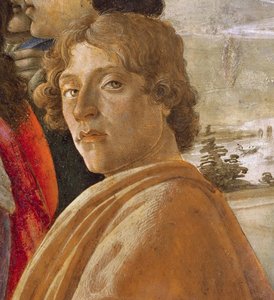
Botticelli
1445 - 1510 , Olaszország
A művészről röviden
- Artistic Movement Or Style: Korai reneszánsza
- Artists Or Movements Influenced By This Artist: ['Pre-Raffaellit']
- Artists Who Influenced This Artist:
- Fra Filippo Lippi
- Paolo Uccello
- Date Of Birth: 1445 körül
- Date Of Death: 1510
- Full Name: Alessandro di Mariano Filipepi
- Nationality: Olasz
- Notable Artworks:
- Születés Zeppirinnél
- Tavasz
- Szentek imádása
- Place Of Birth: Firenze, Olaszország
Kapcsolódó cikkek

Botticelli Mesterművek: A 25 Leglenyűgözőbb Kép a Reneszánsz Gyöngyszemeiből | AllPaintingsStore
Fedezze fel Sandro Botticelli 25 legpazarabb műalkotását! Merüljön el a reneszánsz festészet világában, ismerje meg a Primavera és Vénusz születése történetét. Museum-minőségű reprodukciók és inspiráló dekorációs ötletek a AllPaintingsStore.com oldalon.
Dante Gabriel Rossetti 25 Mesterműve: Szépség és Lelkiség a Vásznon – AllPaintingsStore
Fedezze fel Dante Gabriel Rossetti 25 legszebb művészeti alkotását! Ismerje meg a prerafaeliták titkait, a viktoriánus festészet szépségét és a romantikus szimbolizmus mélységeit. Prémium minőségű art reprodukciók a AllPaintingsStore-on – inspiráció otthonába!
A Reneszánsz Korai Gyöngyszemei: 10 Mestermű, Ami Megváltoztatta a Világot
Fedezze fel a korai reneszánsz 10 legikonikusabb műalkotását! Leonardo, Michelangelo és Botticelli remekművei elmesélnek egy új korszak történetét. Vászonképek, faliképek – inspirálódjon AllPaintingsStore.com-on!

The Nuances of Graphite: Exploring Emotional Depth & Technical Mastery in Pencil Drawing
Explore the captivating world of graphite drawing! Discover its rich history, master essential techniques like chiaroscuro, and learn how artists evoke emotion through this timeless medium. Expert insights for art enthusiasts.

Mastering the Line: A Comprehensive Expert Guide to Technical Precision and Expressive Depth in Drawing
Elevate your artistic practice with this expert guide to mastering the line. Discover advanced techniques in graphite, charcoal, and contour drawing designed for art students seeking technical precision and expressive depth in their fine art studies.


