


 Előnézet
 Megosztás
 Megosztás
 Részletek
 Útmutató

 Letöltés
 Hasonló darabok
 X-ray felvétel
 Diavetítés
 Statisztika
Simonetta
 Acrylic On Canvas
- WallArt
- Early Renaissance
 65.0 x 44.0 cm
 Tovább olvasom
Kézzel készített olajfestmény reprodukció
Kézzel festett olajvastú vászon, az Ön által választott méretben és keretben, művészeink készítik meglévőre. ( Váltás nyomtatványra Áttérés digitális képre)




P118B Ft10

P118H Ft10

P118W Ft10

P438Z Ft10

P508JH Ft12

P508YH Ft12

P805H Ft10

P805Z Ft10

P919BZ Ft10

P919G Ft10

P919XJ Ft10

P959ZH Ft10

P968JZ Ft12

W106C Ft8

W218G Ft10

W218JH Ft8

W218Y Ft10

W307PJ Ft10

W316G Ft10

W316PJ Ft8

W316Y Ft10

W398PJ Ft8

W4111J Ft10

W500HY Ft15

W500JH Ft15

W692G Ft12

W849H Ft8

W940BG Ft15

W953PJ Ft8




Válasszon előre meghatározott méreteink közül, amelyek megfelelnek a műalkotás eredeti arányainak.

Írja be a kívánt szélességet és magasságot, hogy illeszkedjen a keretéhez vagy a falához. Mivel ez kézzel festett alkotás, egy eltérő formájú méret esetén a művész akár festhet is valamivel többet a kép körül, vagy korolathat is belőle — az Ön döntésének megfelelően. A festés megkezdése előtt küldünk egy digitális tervezetet jóváhagyásra. Az oldalon látható kép nem tartalmazza a végeredményt — csak a tervezet mutatja meg a valódi eredményt.
A rendelést követően a AllPaintingsStore.com csapata e-mailt küld az ügyfélnek az instrukciókért, és biztosít egy előnézeti képet (mockup).
Világszerte elérhető szállítás () 3-4 hét alatt a szokásos 5 hét helyett. (24 október). A minőség nem kérdőjelezhető.

Ingyenes globális expressz szállítás

Prémium minőségű len vászon

Teljes körű szállítási biztosítás

Vámvisszatérítési Garancia

Tökéletes színarányosság garancia

100 napos visszaküldési garancia (csak gyártási hibás termékek esetén)

100% pénzvisszatérítési garancia

Több darab vásárlásakor kedvezmény
 Az üvegkeretes opció csak 110 cm alatti méretben érhető el

Simonetta
Reprodukciós technika
Reprodukció méretei
-


Összesített ár
Ft 82941
A Portrait of Mystery: Sandro Botticelli’s *Simonetta*
Sandro Botticelli's “Simonetta” is more than just a depiction of a beautiful woman; it’s an enigma wrapped in the delicate brushstrokes of the Early Renaissance. This captivating painting, measuring 65 x 44 cm, presents us with a figure – believed by many to be Simonetta Vespucci, daughter of Rodrigo de Villabuena, a Genoese admiral – gazing out from a castle window, her red dress a vibrant counterpoint to the muted tones of the cityscape below. The image immediately draws the viewer in, prompting questions about her thoughts and feelings as she contemplates the world beyond.
- The Subject: The identity of the sitter has fueled speculation for centuries. While definitively linking her to Simonetta Vespucci remains elusive, the painting’s composition and Botticelli's known style strongly suggest a portrait of this celebrated figure from Renaissance Florence.
- Early Renaissance Style: Executed in the manner of Botticelli, “Simonetta” embodies the grace and elegance characteristic of his work. The elongated figures, flowing drapery, and emphasis on line— hallmarks of the period—are evident throughout.
Technical Mastery and Color Palette
Botticelli’s technique is remarkable for its precision and detail. Observe the meticulous rendering of Simonetta's hair, a cascade of fiery red that dominates the composition, and the delicate folds of her dress. The artist employs tempera on panel, a traditional medium favored during this era, which allowed for vibrant colors and fine details. The color palette is restrained yet impactful, dominated by reds, blues, and greens—colors associated with wealth, nobility, and the natural world – creating a harmonious balance that enhances the painting’s beauty. Note the subtle gradations of light and shadow, contributing to the three-dimensional effect.
Historical Context and Symbolism
Painted around the mid-15th century, “Simonetta” reflects the burgeoning interest in classical antiquity during the Early Renaissance. The castle setting evokes images of Roman grandeur, while the woman’s contemplative pose suggests a connection to humanist ideals—a focus on human potential and achievement. The necklace she wears adds an element of luxury and status, reflecting the wealth and influence of her family. The painting's creation coincided with a period of immense artistic innovation in Florence, fueled by the patronage of powerful families like the Medici.
Emotional Impact and Artistic Legacy
“Simonetta” possesses a profound emotional resonance. The woman’s gaze—direct yet distant— invites us to share her thoughts and feelings. Botticelli's ability to capture this sense of mystery and introspection is what elevates this painting beyond a simple portrait; it’s a timeless meditation on beauty, contemplation, and the human condition. This reproduction offers an exceptional opportunity to own a piece of art history, bringing Botticelli’s masterful vision into your home or office.
Gyakran Ismételt Kérdések
Milyen színharmóniát mutat be „Simonetta”, Botticelli alkotása?
A „Simonetta”, Botticelli alkotása egy Strong Color Unity színharmóniát mutat be.
Hogyan tekinthetem meg előre a(z) „Simonetta”, Botticelli alkotása reprodukcióját?
A „Simonetta”, Botticelli alkotása reprodukciójának megtekintéséhez nyissa meg a mű Előnézet oldalát.
Milyen méretben ajánlott a "Simonetta" nyomtatása?
A „Simonetta”, Botticelli alkotása ajánlott nyomtatási mérete: Large.
Hasonló műalkotások


A művész életrajza
Early Life and Florentine Beginnings
Sandro Botticelli, born Alessandro di Mariano di Vanni Filipepi around 1445 in Florence, Italy, emerged during a period of extraordinary cultural ferment—the Early Renaissance. His life was deeply rooted in the city’s artistic and social fabric; he never strayed far from his neighborhood of Ognissanti, a testament to both familial ties and the vibrant creative ecosystem that nurtured him. His father, Mariano Filipepi, initially a goldsmith and later a tanner, provided an early exposure to craftsmanship and meticulous detail—qualities that would profoundly influence Botticelli’s artistic approach. Though initial reports suggested training as a goldsmith, he soon found his calling under the tutelage of Fra Filippo Lippi, a leading painter of the time. This apprenticeship proved pivotal, immersing him in the techniques and aesthetics of the Florentine school while also connecting him to influential patrons like the Medici family. Botticelli’s nickname, ‘Botticelló,’ is believed to have originated from his small stature – a fitting description for the artist who would later create works of such monumental beauty.A Style Defined by Grace and Myth
Botticelli’s artistic style is instantly recognizable for its lyrical beauty, characterized by elegant linearity, flowing contours, and a delicate use of color. He masterfully bridged the gap between the late Gothic traditions and the burgeoning Renaissance aesthetic, absorbing influences from masters like Fra Angelico and Paolo Uccello yet forging a uniquely personal vision. His figures possess an ethereal quality, often depicted with elongated proportions and graceful poses that convey both serenity and a subtle melancholy. A defining feature of his work is the frequent incorporation of classical mythology—a reflection of the humanist interests sweeping through Renaissance Florence. He didn’t merely illustrate these ancient tales; he imbued them with new layers of meaning, exploring themes of love, beauty, and spiritual longing. Botticelli's technique was innovative for its time. He often employed a silverpoint drawing method underpainting his canvases, contributing to the luminosity and delicate detail seen in his finished works. His use of tempera paint allowed for precise rendering and vibrant colors, while his later experiments with oil paints broadened his expressive possibilities.Iconic Masterpieces and Artistic Development
Botticelli’s legacy rests upon a handful of iconic paintings that continue to captivate audiences centuries later. The Birth of Venus, completed around 1486, stands as perhaps his most celebrated work—an allegorical depiction of the goddess emerging from a seashell, embodying Renaissance ideals of beauty and harmony. The painting’s graceful composition, delicate color palette, and evocative symbolism have made it an enduring symbol of the era. Equally renowned is Primavera, created around 1482, a complex and enigmatic painting celebrating spring and love, populated with symbolic figures drawn from classical mythology. These works showcase Botticelli’s mastery of composition, his ability to create atmospheric depth, and his profound understanding of human emotion. His early work often focused on religious subjects, honing his technical skills and establishing a reputation for skillful execution. The 1480s marked the peak of his creative powers, with the creation of these mythological masterpieces. However, the late 1490s witnessed a shift in his style, influenced by the fervent preaching of Girolamo Savonarola—a Dominican friar who condemned what he saw as the decadence and moral corruption of Florence. This period resulted in more austere and emotionally charged works, reflecting a growing spiritual intensity.Historical Significance and Rediscovery
Following his death in 1510, Botticelli’s reputation gradually faded into obscurity. For nearly three centuries, his work was largely forgotten, overshadowed by the achievements of High Renaissance masters like Leonardo da Vinci and Michelangelo. However, a remarkable rediscovery occurred in the late 19th century with the rise of the Pre-Raphaelite Brotherhood—a group of English artists who rejected academic conventions and sought inspiration in the art of the early Italian Renaissance. They were captivated by Botticelli’s linear grace, vibrant colors, and poetic sensibility, recognizing him as a kindred spirit. This renewed appreciation sparked a widespread reassessment of his work, establishing him as one of the most important artists of the Early Renaissance. Today, Botticelli is celebrated for his unique artistic vision, his masterful technique, and his enduring ability to evoke beauty, emotion, and spiritual contemplation. His influence can be seen in subsequent generations of artists who have sought to capture the same sense of grace and elegance in their own work. He remains a symbol of Florentine artistic achievement and a testament to the power of Renaissance humanism.Major Works
- The Birth of Venus (c. 1486): An iconic depiction embodying Renaissance ideals of beauty.
- Primavera (c. 1482): A complex allegorical painting celebrating spring and love.
- Adoration of the Magi (1475-1476): Demonstrates early mastery of composition and perspective.
- Mystic Nativity (1501): Reflects a shift towards spiritual themes in his later career.
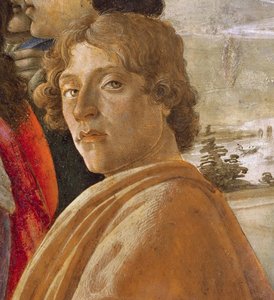
Botticelli
1445 - 1510 , Olaszország
Gyors információk
- Artistic Movement Or Style: Korai reneszánsza
- Artists Or Movements Influenced By This Artist: ['Pre-Raffaellit']
- Artists Who Influenced This Artist:
- Fra Filippo Lippi
- Paolo Uccello
- Date Of Birth: 1445 körül
- Date Of Death: 1510
- Full Name: Alessandro di Mariano Filipepi
- Nationality: Olasz
- Notable Artworks:
- Születés Zeppirinnél
- Tavasz
- Szentek imádása
- Place Of Birth: Firenze, Olaszország
Kapcsolódó cikkek

AllPaintingsStore.com F.A.Q.: Elevate Your Decor with Premium Textured Giclée Prints
Discover the distinction of AllPaintingsStore.com premium textured Giclée prints. Expertly crafted with archival 12-color pigments and museum-grade substrates, our prints offer unparalleled vividness for the discerning collector seeking luxury, durability, and timeless elegance.


