


 Megtekintés
 Küldés
 Megosztás
 Részletek
 Útmutató

 Letöltés
 Hasonló darabok
 X-ray felvétel
 Diavetítés
 Q&A
Q&A Statisztika
Boston Polyptych
 Tempera On Panel
- WallArt
- Late Gothic
 1321
1321- Late Medieval
 235.0 x 405.0 cm
 Isabella Stewart Gardner Múzeum
 Összes részlet megjelenítése
Giclée / Műnyomat
Múzeumi minőségű giclée vagy vászonnyomat, gyors gyártással és rugalmas finomítási lehetőségekkel. ( Kézzel festett másolat rendelése Áttérés digitális képre)




P118B Ft10

P118H Ft10

P118W Ft10

P438Z Ft10

P508JH Ft12

P508YH Ft12

P805H Ft10

P805Z Ft10

P919BZ Ft10

P919G Ft10

P919XJ Ft10

P959ZH Ft10

P968JZ Ft12

W106C Ft8

W218G Ft10

W218JH Ft8

W218Y Ft10

W307PJ Ft10

W316G Ft10

W316PJ Ft8

W316Y Ft10

W398PJ Ft8

W4111J Ft10

W500HY Ft15

W500JH Ft15

W692G Ft12

W849H Ft8

W940BG Ft15

W953PJ Ft8




Válasszon előre meghatározott méreteink közül, amelyek megfelelnek a műalkotás eredeti arányainak.

Írja be a keretének vagy a falának megfelelő szélességet és magasságot. A nyomatot csak le lehet vágni, soha nem tehető nagyobbá, mint az eredeti kép, így egy eltérő alakú méretnél a kép egy része elveszik. Mielőtt bármit kinyatintanánk, küldünk egy digitális próbamodellt jóváhagyásra. Az oldalon látható kép nem tartalmazza a valós levágást — ezt csak a próbamodell mutatja meg.
Világszerte történő kiszállítás területére mindössze 2 hét alatt, a szokásos 4-5 hét helyett. (30 október)

Ingyenes globális expressz szállítás

Prémium minőségű len vászon

Teljes körű szállítási biztosítás

Vámvisszatérítési Garancia

Hiteles színarányosság garancia

100 napos visszaküldési lehetőség (csak hibás termékek esetén)

100% pénzvisszatérítési garancia

Több darab vásárlásakor kedvezmény
 Az üvegkeretes opció csak 110 cm alatti méretben érhető el

Boston Polyptych
Giclée / Műnyomat
Reprodukció mérete
-


Összesített ár
Ft 20926
A Celestial Vision in Sienese Gold
To stand before the Boston Polyptych is to step through a gilded portal into the spiritual heart of fourteenth-century Siena. Completed in 1321 by the incomparable master Simone Martini, this monumental work transcends mere religious decoration, offering instead a profound window into the medieval soul. The polyptych, an intricate arrangement of panels, presents a celestial assembly that commands the room with its sheer scale and luminous presence. At its core, the composition radiates a sense of divine order, where figures of saints and holy personages are arranged with a rhythmic grace that guides the eye across a landscape of profound devotion. The interplay of sacred iconography—specifically honoring Saint Benedict—creates an atmosphere of quiet reverence, making it an ideal centerpiece for those seeking to infuse a space with historical depth and contemplative peace.
The artistry of Martini is defined by an unparalleled elegance, a quality that distinguishes the Sienese school from the more robust naturalism found in Florence. While he drew inspiration from the groundbreaking realism of Giotto, Martini skillfully infused his work with the shimmering splendor of the Byzantine tradition. This delicate balance is achieved through his masterful use of tempera on wood panels, a technique that allows for an extraordinary luminosity. Each layer of pigment serves to enhance the brilliance of the gold leaf, creating a surface that seems to glow from within. The artist’s command of chiaroscuro—the subtle manipulation of light and shadow—breathes life into the heavy drapery of the figures' robes and lends an emotive, almost human vulnerability to their facial expressions. For the discerning collector or interior designer, this technique offers a dynamic visual texture that changes beautifully under different lighting conditions.
A Tapestry of History and Devotion
Beyond its aesthetic splendor, the Boston Polyptych is a silent witness to a transformative era in European history. Created during a period of significant religious upheaval and papal disputes, the painting reflects the intense piety and burgeoning civic pride of Siena. The work was commissioned as an emblem of prestige for the Benedictine Order, specifically for the Monastery of Echternach, serving as both a spiritual tool and a symbol of institutional strength. This historical weight adds a layer of intellectual richness to the piece; it is not merely a beautiful object, but a fragment of a lost world where art, politics, and faith were inextricably entwined. The architectural backdrop within the painting, with its tall, windowed structures, evokes the very essence of medieval urban life, inviting viewers to wander through the streets of a storied past.
For those looking to integrate such a masterpiece into a contemporary setting, the Boston Polyptych offers endless inspiration. Its grand proportions—measuring an imposing 235 x 405 cm—make it a transformative element for large-scale interior design projects, providing a focal point that anchors a room with authority and grace. Whether presented as a high-quality hand-painted reproduction or studied through its historical significance, the work continues to evoke a sense of wonder. It remains a testament to Martini's ability to capture the divine within the earthly, offering a timeless beauty that resonates with the modern seeker of art, history, and soul.
Kérdések és válaszok
Melyik szobához ajánlott a „Boston Polyptych”, Simone Martini alkotása, színei alapján végezve?
A Earthy színei miatt a "Boston Polyptych" mű egy Living Room számára javasolt.
Ki készítette a(t): "Boston Polyptych"?
A "Boston Polyptych" alkotója Simone Martini. A mű Simone Martini nevére van katalógusozva.
Milyen technikával készült a "Boston Polyptych", és milyen méretű?
Az eredeti „Boston Polyptych”, Simone Martini alkotása egy Tempera On Panel alkotás, amelynek mérete 235 x 405 cm. A technika és a méret az eredeti műre vonatkozik.
Hasonló műalkotások


A művész életrajza
A Sienese Master of Elegance and Grace
Simone Martini, born around 1284 in the heart of Siena, Italy, stands as a pivotal figure in the transition from medieval to Renaissance art. He wasn’t merely a painter; he was an architect of elegance, a master of line and color who infused his works with a courtly refinement that distinguished him from contemporaries like Giotto. While historical accounts vary regarding his early training—some suggest apprenticeship under Duccio di Buoninsegna, the leading Sienese artist of the time, while others point to Florence and the influence of Giotto—Martini undeniably forged a unique artistic path. His brother-in-law, Lippo Memmi, was also an artist with whom he frequently collaborated, further enriching the vibrant artistic landscape of Siena. The city itself played a crucial role in shaping Martini’s aesthetic; Siena, a thriving center of commerce and culture, fostered an environment where art flourished, blending religious devotion with worldly sophistication.
The Flourishing of International Gothic
Martini's style is immediately recognizable for its departure from the more monumental forms favored in Florence. He embraced a delicate sensibility, characterized by flowing lines, soft decorative details, and an overall sense of grace. This aesthetic wasn’t born in isolation; it was profoundly influenced by external forces. The Via Francigena, a major pilgrimage route traversing Europe, brought with it artistic currents from France—particularly the refined elegance of French manuscript illumination and ivory carving. These influences are readily apparent in Martini's work, manifesting as intricate patterns, elongated figures, and a heightened attention to surface ornamentation. He didn’t simply copy these styles; he synthesized them with existing Sienese traditions, creating something entirely new. His paintings weren’t merely representations of religious scenes but rather elegant narratives imbued with emotional depth and visual poetry.
From Siena to Avignon: A Courtly Appointment
Martini's reputation extended beyond the borders of Italy, leading to a significant turning point in his career. In 1336, he accepted a commission from Pope Benedict XII to create frescoes for the Papal Palace in Avignon, France—a move that placed him at the heart of European power and patronage. This appointment wasn’t merely about artistic skill; it was a testament to Martini's ability to cater to the tastes of a sophisticated courtly audience. While in Avignon, he entered into a remarkable intellectual circle, befriending Francesco Petrarca—better known as Petrarch, the renowned humanist poet. The connection with Petrarch is particularly poignant, as Vasari and other sources suggest that Martini painted a portrait of Laura de Noves, Petrarch’s lifelong muse. Though the portrait itself is lost to time, its very existence speaks volumes about Martini's status as a celebrated artist capable of capturing not only physical likeness but also the essence of beauty and inspiration. The Annunciation with St. Margaret and St. Ansanus, created during his time in Florence before moving to Avignon, is a testament to this period, showcasing delicate beauty and refined aesthetic.
Major Works and Techniques
Martini’s oeuvre is characterized by a remarkable range of subjects and styles, reflecting the diverse commissions he received throughout his career. His most celebrated works include the *Maestà* fresco in the Palazzo Pubblico, Siena—a monumental depiction of the Virgin Mary enthroned with angels and saints that exemplifies his mastery of composition and color; the *Annunciation*, a delicate and exquisitely detailed portrayal of the angel Gabriel announcing to Mary that she will conceive Jesus; and the *St. Louis Crowning Robert* altarpiece in Naples, showcasing his ability to create complex narratives within a limited space. Martini’s technical skill is evident in his meticulous attention to detail, his use of vibrant colors—particularly blues and reds—and his innovative approach to perspective and spatial relationships. He was also a skilled draftsman, producing numerous drawings that served as studies for his paintings.
Legacy and Enduring Influence
Simone Martini’s impact on the development of European art cannot be overstated. He played a crucial role in disseminating the International Gothic style—a movement characterized by its elegance, refinement, and emphasis on decorative detail—across the continent. His influence extended to generations of artists who followed, shaping the course of late medieval and early Renaissance painting. Martini’s work wasn’t simply about technical skill; it was about creating a visual language that resonated with the sensibilities of his time—a language of beauty, grace, and spiritual devotion. Even today, his paintings continue to captivate viewers with their exquisite detail, harmonious compositions, and enduring sense of elegance. His frescoes in San Francesco d’Assisi demonstrate his mastery of large-scale decorative painting, while works like the Saint Catherine of Alexandria Polyptych showcase his unparalleled command of color and form. Simone Martini died in Avignon in 1344, leaving behind a legacy that continues to inspire awe and admiration centuries later—a testament to the enduring power of art to transcend time and touch the human spirit.

Simone Martini
1284 - 1344 , Olaszország
Rövid információk
- Artistic Movement Or Style: Nemzetközi Gótika
- Artists Or Movements Influenced By This Artist: ['Nemzetközi Gótika stílus']
- Artists Who Influenced This Artist:
- Duccio di Buoninsegna
- Giotto di Bondone
- Date Of Birth: c. 1284
- Date Of Death: 1344
- Full Name: Simone Martini
- Nationality: Olasz
- Notable Artworks:
- Angyali Üdvözlet
- Maestà
- Szent János
- Place Of Birth: Siena, Olaszország
Kapcsolódó cikkek

10 Iconic Tempera Masterpieces That Redefined Art History
Journey through history with 10 legendary egg tempera masterpieces. From Renaissance icons to timeless textures, explore the stories behind these eternal works and find museum-quality art reproductions for your decor. Discover all masterpieces on AllPaintingsStore.com.
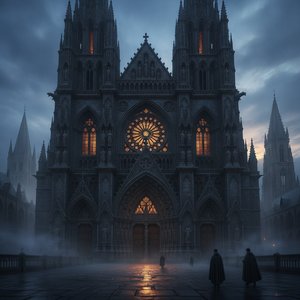
Gothic Art Guide for Hotel Designers: Leveraging Dramatic Shadows and Architectural Grandeur in Luxury Interiors
Elevate hospitality interiors with our expert guide to Gothic art. Discover how to leverage dramatic shadows, architectural grandeur, and high-end reproductions to create sophisticated, atmospheric hotel spaces that captivate guests.


