Pénzvisszatérítési Garancia · 100 nap Ingyenes világszerte történő szállítás
449 564műalkotások 30 613művészek 4 660múzeumok 32nyelv
Katalógusbejegyzés

Window

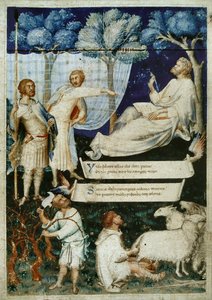
1312. Acrylic On Canvas.

1. ábra. Simone Martini, Window, 1312. A megadott reprodukciót mutatja: , .

§ 1Katalógusadatok

§ 2Absztrakt

A gyűjtemény leírása

Simone Martini’s ‘Window,’ created in 1312, exemplifies the elegance of Early Gothic style. This fresco showcases vibrant colors and detailed depictions of people and animals within a stunning stained glass composition. Located at Pinacoteca Nazionale Siena, it's a captivating glimpse into medieval artistry. Discover museum-quality reproductions on AllPaintingsStore.

A művész életrajza

Fedezd fel Simone Martini, a sivai elegancia és gráciás mestert! Az International Gothic festményei – mint a 'Maestà' – egyedülállóan ötvözik a vallási témákat a udvari kifinomultságot és a részletgazdaságot.

§ 3Magyarázat

Simone Martini’s Window: A Fragment of Siena’s Gothic Soul

The painting “Window” by Simone Martini—a masterpiece executed in 1312—isn't merely an image; it’s a portal into the artistic fervor and spiritual contemplation of Siena during its zenith as a medieval principality. More than just depicting a simple architectural element, Martini transforms this commonplace feature into a vehicle for profound symbolism and masterful execution, embodying the very essence of International Gothic style. Its unassuming appearance belies the intricate artistry that defines it.
  • Subject Matter: The composition centers around a stained glass window—a motif prevalent in Sienese churches at the time—illuminated by diffused light. Within its frame are meticulously rendered figures, including human forms and avian creatures – doves symbolizing peace and divine grace – creating a harmonious blend of earthly and celestial realms.
  • Style: Martini’s work exemplifies International Gothic style, characterized by delicate lines, luminous colors, and an emphasis on elegance and refinement. Unlike the harsher realism championed by Giotto di Bondone, Martini prioritizes beauty and expressive detail, prioritizing visual impact over strict anatomical accuracy. This stylistic choice reflects Siena's cultural aspirations during a period marked by papal patronage and artistic innovation.
  • Technique: Martini employed tempera paint on panel—a technique favored for its vibrancy and durability—allowing him to achieve astonishing levels of color saturation and textural nuance. The artist’s meticulous layering of glaze, combined with painstaking attention to detail in rendering drapery folds and facial expressions, speaks volumes about his dedication to craftmanship.

Historical Context: Siena Under Papal Influence

Siena flourished as a center of papal diplomacy and artistic production during the early 14th century. The papacy actively encouraged artistic endeavors, fostering a competitive environment where artists like Martini sought to elevate their reputations through ambitious commissions—particularly those honoring religious saints. This patronage fueled stylistic experimentation and ensured that Siena’s art would resonate across Europe. Martini's "Window" stands as testament to this era of cultural dynamism and papal ambition.

Symbolism: Light, Faith, and Divine Harmony

The window itself serves as a potent symbol—representing divine illumination and the gateway to spiritual understanding. The doves adorning the composition reinforce this theme, symbolizing purity, peace, and the Holy Spirit’s presence. Martini skillfully integrates these visual cues into a carefully balanced composition that reflects Siena's devout Catholic faith. The artist’s deliberate use of color—particularly blues and golds—further enhances the painting’s spiritual aura, conveying grandeur and transcendence.

Emotional Impact: A Moment Frozen in Time

“Window” transcends mere representation; it evokes a feeling of serene contemplation and wonder. Martini's masterful rendering captures not only the visual beauty of the stained glass but also its emotional resonance—a reflection of Siena’s artistic spirit and its unwavering belief in divine grace. Viewing this artwork is akin to stepping back into a moment frozen in time, allowing oneself to be transported by the artistry and symbolism of a bygone era. It remains an enduring emblem of Gothic elegance and a captivating glimpse into the soul of medieval Siena.

Kérdések és válaszok

„Window”, Simone Martini alkotása színei tel愈tek vagy fakók?

A „Window”, Simone Martini alkotása alkotás Muted telítettségű színekkel készült.

Mely művészeti irányba tartozik a „Window”, Simone Martini alkotása?

A "Window" a International Gothic Style egyik alkotása. A művészeti irány meghatározza azt a művészeti hagyományt, amelybe a mű beágyazódik.

Milyen színek jellemzik a "Window" alkotást?

A "Window" színei egy Earthy palettát alkotnak. Ez a besorolás a domináns színek családjait írja le.
§ 4A művész

Simone Martini

Simone Martini

1284 - 1344, Olaszország

Gyors információk Simone Martini művészről

  • Artistic Movement Or Style: Nemzetközi Gótika
  • Artists Or Movements Influenced By This Artist: ['Nemzetközi Gótika stílus']
  • Artists Who Influenced This Artist:
    • Duccio di Buoninsegna
    • Giotto di Bondone
  • Date Of Birth: c. 1284
  • Date Of Death: 1344
  • Full Name: Simone Martini
  • Nationality: Olasz
  • Notable Artworks:
    • Angyali Üdvözlet
    • Maestà
    • Szent János
  • Place Of Birth: Siena, Olaszország

A művész életrajza

A Sienese Master of Elegance and Grace

Simone Martini, born around 1284 in the heart of Siena, Italy, stands as a pivotal figure in the transition from medieval to Renaissance art. He wasn’t merely a painter; he was an architect of elegance, a master of line and color who infused his works with a courtly refinement that distinguished him from contemporaries like Giotto. While historical accounts vary regarding his early training—some suggest apprenticeship under Duccio di Buoninsegna, the leading Sienese artist of the time, while others point to Florence and the influence of Giotto—Martini undeniably forged a unique artistic path. His brother-in-law, Lippo Memmi, was also an artist with whom he frequently collaborated, further enriching the vibrant artistic landscape of Siena. The city itself played a crucial role in shaping Martini’s aesthetic; Siena, a thriving center of commerce and culture, fostered an environment where art flourished, blending religious devotion with worldly sophistication.

The Flourishing of International Gothic

Martini's style is immediately recognizable for its departure from the more monumental forms favored in Florence. He embraced a delicate sensibility, characterized by flowing lines, soft decorative details, and an overall sense of grace. This aesthetic wasn’t born in isolation; it was profoundly influenced by external forces. The Via Francigena, a major pilgrimage route traversing Europe, brought with it artistic currents from France—particularly the refined elegance of French manuscript illumination and ivory carving. These influences are readily apparent in Martini's work, manifesting as intricate patterns, elongated figures, and a heightened attention to surface ornamentation. He didn’t simply copy these styles; he synthesized them with existing Sienese traditions, creating something entirely new. His paintings weren’t merely representations of religious scenes but rather elegant narratives imbued with emotional depth and visual poetry.

From Siena to Avignon: A Courtly Appointment

Martini's reputation extended beyond the borders of Italy, leading to a significant turning point in his career. In 1336, he accepted a commission from Pope Benedict XII to create frescoes for the Papal Palace in Avignon, France—a move that placed him at the heart of European power and patronage. This appointment wasn’t merely about artistic skill; it was a testament to Martini's ability to cater to the tastes of a sophisticated courtly audience. While in Avignon, he entered into a remarkable intellectual circle, befriending Francesco Petrarca—better known as Petrarch, the renowned humanist poet. The connection with Petrarch is particularly poignant, as Vasari and other sources suggest that Martini painted a portrait of Laura de Noves, Petrarch’s lifelong muse. Though the portrait itself is lost to time, its very existence speaks volumes about Martini's status as a celebrated artist capable of capturing not only physical likeness but also the essence of beauty and inspiration. The Annunciation with St. Margaret and St. Ansanus, created during his time in Florence before moving to Avignon, is a testament to this period, showcasing delicate beauty and refined aesthetic.

Major Works and Techniques

Martini’s oeuvre is characterized by a remarkable range of subjects and styles, reflecting the diverse commissions he received throughout his career. His most celebrated works include the *Maestà* fresco in the Palazzo Pubblico, Siena—a monumental depiction of the Virgin Mary enthroned with angels and saints that exemplifies his mastery of composition and color; the *Annunciation*, a delicate and exquisitely detailed portrayal of the angel Gabriel announcing to Mary that she will conceive Jesus; and the *St. Louis Crowning Robert* altarpiece in Naples, showcasing his ability to create complex narratives within a limited space. Martini’s technical skill is evident in his meticulous attention to detail, his use of vibrant colors—particularly blues and reds—and his innovative approach to perspective and spatial relationships. He was also a skilled draftsman, producing numerous drawings that served as studies for his paintings.

Legacy and Enduring Influence

Simone Martini’s impact on the development of European art cannot be overstated. He played a crucial role in disseminating the International Gothic style—a movement characterized by its elegance, refinement, and emphasis on decorative detail—across the continent. His influence extended to generations of artists who followed, shaping the course of late medieval and early Renaissance painting. Martini’s work wasn’t simply about technical skill; it was about creating a visual language that resonated with the sensibilities of his time—a language of beauty, grace, and spiritual devotion. Even today, his paintings continue to captivate viewers with their exquisite detail, harmonious compositions, and enduring sense of elegance. His frescoes in San Francesco d’Assisi demonstrate his mastery of large-scale decorative painting, while works like the Saint Catherine of Alexandria Polyptych showcase his unparalleled command of color and form. Simone Martini died in Avignon in 1344, leaving behind a legacy that continues to inspire awe and admiration centuries later—a testament to the enduring power of art to transcend time and touch the human spirit.

§ 5Hasonló alkotások

§ 6Kérdések

Gyors információk

  • Location: Pinacoteca Nazionale, Siena
  • Title: Window
  • Medium: Fresco
  • Artist: Simone Martini
  • Notable elements or techniques: Detailed depiction of figures and birds

Művészeti kvíz

Minden kérdésre csak egy helyes válasz létezik.

Kérdés 1:
What artistic style is Simone Martini’s ‘Window’ primarily associated with?
Kérdés 2:
The image depicts a stained glass window featuring figures including people and animals. What is the significance of these depictions within the context of medieval art?
Kérdés 3:
Simone Martini collaborated extensively with Lippo Memmi. What was their role in the artistic landscape of Siena?
Kérdés 4:
According to Giorgio Vasari, Simone Martini's artistic training involved studying under which influential artist?
Kérdés 5:
The window’s intricate design and vibrant colors exemplify a characteristic feature of the International Gothic style. What distinguishes this style from earlier medieval artistic traditions?

§ 7Idérezze ezt a bejegyzést

AllPaintingsStore.com, “Simone Martini, Window (1312)”, https://allpaintingsstore.com/hu/art/simone-martini-window-8Y3HTV-en/ArtistReproduction/ (megtekintve: 10 október 2026).

§ 8A reprodukció

Kézzel készített olajfestmény reprodukció

Kézzel festett olajvastú vászon, az Ön által választott méretben és keretben, művészeink készítik meglévőre. ( Váltás nyomtatványra Áttérés digitális képre)

A rendelési sammanbrató szélességi részén rögzítve van; a sammanbrató jelenlegi állapota a következőképpen hangzik.

Window

Reprodukciós technika

Reprodukció mérete

-

Kiváló mesterművész

Nagyobb részletesség, finomság és bővített gyártási idő

-

Reprodukció keretezése

-

-

A bármely oldalsó méretét túlszálaló 105 cm (kb. 41 hüvelyk) meghaladó műalkotások vagy reprodukciók esetében a keret összeszerelhető készletként, szétszerelve kerül szállításra. Ez a módszer biztosítja a biztonságos szállítást, és megakadályozza a szállítás során fellépő sérüléseket.

Szakmész összeszerelést igényel – ez nem DIY (önösszeszerelhető) termék.
A készletet egy tapasztalt keretező szakembernek kell összeszerelnie és a vásznat feszítenie kell, fa ragasztó (nem tartalmazza a csomag), vásznfeszítő fogó és szorítók használatával, amelyek a ragasztó száradásáig a keretrészeket egymáshoz vuôngjba tartják. A helytelen összeszerelés vagy a nem egyenletes vásznfeszítés maradandó károsíthatja a műalkotást, és ez nem része a garanciánknak.

  • A készlet tartalmazza az összes tömörfa rudat, pontosan méretre vágva.

  • A mellékelt csavarokkal, valamint a sarokszerekhez szükséges faütő ragasztóval kell összeszerelnie (ez nem tartalmazható a csomagban), így a keretrendezőnek külön kell beszereznie.

  • A csomag nem tartalmazza a szükséges professzionális eszközöket: egy vászonfeszítőt és klipseket a rácsok vízszintes tartásához a ragasztó megszáradásáig.

Fontos:
A sarokcsatlakozásokhoz fánylagra van szükség, a keretrudakat szorítókapcsokkal kell rögzíteni, amíg a rag teljesen meg nem szárad, a kész keretre feszített vászonhoz pedig vászonfeszítő fogat szükséges. Ezek egyike sem található meg a készletben. Kérjük, rendelés előtt győződjön meg róla, hogy rendelkezik tapasztalt keretező szakemberrel.

Névtábla

-

-

Védőréteg (Lakk)

Fényes lakk (intenzívabb színek, védelem a fény és a nedvesség hatása ellen)

-

Műalkotásom egyedi igényre szabása

Példák a módosíthatóságra: az arc kicserélése az ügyfél fotójára; háziállat hozzáadása (pl. macska helyett kutya); rejtett üzenet elhelyezése a háttérben; a háttér tájainak vagy elemeinek megváltoztatása.

-

Sürgős

Világszerte szóló szállítás () mindössze 3-4 hét alatt, a szokásos 5 hét helyett. (8 november). A minőség nem kérdőjelezhető.

-

Express szállítás

Világszerte elérhető szállítás területre 5 héten belül. (15 november).

A szállítás díja tartalmazza

Összesített ár

Ft 84076

Minden rendelés mellé tartalmazva

  • Ingyenes globális expressz szállítás
  • Prémium minőségű len vászon
  • Teljes körű szállítási biztosítás
  • Vámvisszatérítési Garancia
  • Hiteles színarányosság garancia
  • 100 napos visszaküldési lehetőség (csak hibás termékek esetén)
  • 100% pénzvisszatérítési garancia
  • Több darab vásárlásakor kedvezmény
Rendelési adatlap