


 Előnézet
 Megosztás
 Megosztás
 Részletek
 Útmutató

 Letöltés
 Hasonló darabok
 X-ray felvétel
 Diavetítés
 Statisztika
A Study of Rocks, Lamorna Cove
 Oil On Canvas
- WallArt
- Impressionism
 46.0 x 56.0 cm
 The Munnings Art Museum
 Tovább olvasom
Giclée / Műnyomat
Múzeumi minőségű giclée vagy vászonnyomat, gyors gyártással és rugalmas finomítási lehetőségekkel. ( Kézzel festett másolat vásárlása Áttérés digitális képre)




P118B $10

P118H $10

P118W $10

P438Z $10

P508JH $12

P508YH $12

P805H $10

P805Z $10

P919BZ $10

P919G $10

P919XJ $10

P959ZH $10

P968JZ $12

W106C $8

W218G $10

W218JH $8

W218Y $10

W307PJ $10

W316G $10

W316PJ $8

W316Y $10

W398PJ $8

W4111J $10

W500HY $15

W500JH $15

W692G $12

W849H $8

W940BG $15

W953PJ $8




Válasszon előre meghatározott méreteink közül, amelyek megfelelnek a műalkotás eredeti arányainak.

Megadhat saját méreteket is egy konkrét kerethez vagy helyszínhez igazítva. Amennyiben a kiválasztott méret nem egyezik az eredeti kép arányokkal, a műalkotást le fogjuk vágni, vagy kiegészítjük a képet tükrözött vagy egyszínű szélekkel. A gyártás megkezdése előtt egy digitális tervezetet küldünk jóváhagyásra.
Kérjük, vegye figyelembe, hogy a képernyőn látható előnézet nem tükrözi a tényleges levágást vagy kiegészítést. Csak a tervezet mutatja pontosan a végső kompozíciót.
Bár az egyedi méretek is elérhetőek, az eredeti arányok megőrzése érdekében azt javasoljuk, hogy válasszon a előre meghatározott listából származó méretet.
Világszerte történő kiszállítás területére mindössze 2 hét alatt, a szokásos 4-5 hét helyett. (21 szeptember)

Ingyenes globális expressz szállítás

Prémium minőségű len vászon

Teljes körű szállítási biztosítás

Vámvisszatérítési Garancia

Tökéletes színarányosság garancia

100 napos visszaküldési garancia (csak gyártási hibás termékek esetén)

100% pénzvisszatérítési garancia

Több darab vásárlásakor kedvezmény
 Az üvegkeretes opció csak 110 cm alatti méretben érhető el

A Study of Rocks, Lamorna Cove
Giclée / Műnyomat
Reprodukció méretei
-


Összesített ár
$ 64
A Study of Rocks, Lamorna Cove – An Impressionistic Echo of Cornish Wildness
Alfred James Munnings’ “A Study of Rocks, Lamorna Cove,” completed around 1923, stands as a quintessential embodiment of the British Impressionist movement and a masterful depiction of Cornwall's dramatic coastline. More than just a landscape painting; it’s a sensory experience captured on canvas—a testament to Munnings’ ability to distill emotion into visual form. The artwork transports viewers back to a time when artists sought to capture fleeting moments of light and atmosphere, prioritizing feeling over precise representation.Composition and Style: Embracing Atmospheric Impressionism
The painting's dominant feature is undoubtedly the imposing rock formation on the right side of the frame—a weathered granite outcrop that commands attention with its rugged texture and angular contours. Munnings eschews meticulous detail, opting instead for loose brushstrokes and a palette dominated by earthy browns, muted greens, and cool grays. This stylistic choice aligns perfectly with Impressionism’s core principles: capturing the immediacy of perception rather than striving for photographic accuracy. The sky is overcast, diffusing sunlight and casting soft shadows across the landscape—a deliberate technique that enhances the painting's moodiness and evokes a sense of solitude. Lines are used expressively to delineate the rock faces and foliage, creating a dynamic interplay between form and texture.Technique: Layered Paintwork and Texture
Munnings employed a layered paintwork approach – applying thin glazes over thicker underlayers—to build up depth and achieve remarkable textural richness. Visible brushstrokes are abundant throughout the composition, conveying a palpable sense of movement and capturing the ephemeral qualities of Cornish weather. The artist skillfully blended pigments to create subtle gradations of color, subtly shifting hues as light changes across the canvas. This meticulous attention to technique contributes significantly to the painting’s overall impact—it feels like stepping into a Cornish cove on an overcast afternoon.Historical Context: Munnings and the Cornish Landscape
Munnings' fascination with Cornwall stemmed from his lifelong passion for equestrian pursuits and his desire to portray the rural British countryside in its purest form. He was deeply influenced by artists such as Claude Monet and Camille Pissarro, who pioneered Impressionism’s revolutionary approach to painting. “A Study of Rocks, Lamorna Cove” reflects this artistic lineage—it's a celebration of natural beauty and a poignant reminder of a disappearing way of life. Munnings himself served as President of the Royal Academy from 1934 to 1945, cementing his legacy as one of Britain’s most celebrated landscape painters.Symbolism: Resilience and Tranquility
The rock formation symbolizes strength and permanence amidst the transient beauty of nature—a visual metaphor for enduring spirit. The muted color palette evokes feelings of calmness and contemplation, inviting viewers to immerse themselves in the serene atmosphere of Lamorna Cove. Ultimately, “A Study of Rocks, Lamorna Cove” speaks to a profound appreciation for the sublime—the awe-inspiring grandeur of the natural world and its ability to inspire wonder and reflection. It remains an enduring masterpiece of Impressionist art, capturing not just a landscape but also a timeless emotion.Hasonló műalkotások


A művész életrajza
A Life Immersed in Equine Grace
Sir Alfred James Munnings, a name inextricably linked to the vibrant depiction of horses and the romantic allure of rural England, occupies a pivotal position within 20th-century British art. Born in 1878 amidst the rolling landscapes of Suffolk, his life was profoundly shaped by an enduring connection with the equine world – a bond that would define his artistic vision and propel him to prominence. Munnings wasn’t simply recording what he saw; he was preserving a feeling, an atmosphere, a world poised on the brink of irreversible change. He captured a vanishing way of life, a keenly observed portrait of Britain steeped in tradition, hunting, and the rhythms of the countryside. His early works often depicted rural scenes, particularly those featuring gypsies and horses roaming the Suffolk countryside, imbued with a romantic sensibility that showcased his growing mastery of color and light. These paintings weren’t merely representations; they were expressions of a deep affection for the land and its inhabitants.From Rural Beginnings to Artistic Development
Munnings’s artistic journey began not within the formal confines of an academy, but in the practical world of a Norwich printing house. This apprenticeship honed his skills in design and observation while simultaneously allowing him to pursue studies at the Norwich School of Art. It was a formative period, instilling a discipline that would serve him well as he navigated the challenges of establishing himself as an artist. Early influences included the plein air painters of the Newlyn School in Cornwall, where he embraced their commitment to capturing light and atmosphere directly from nature. This immersion in Impressionistic techniques laid the groundwork for his signature style – loose brushwork, a vibrant palette, and a palpable sense of movement. He was particularly drawn to the work of Henri Edmond Cross and Frank Bramley, whose depictions of Cornish fishing boats and coastal scenes influenced his early compositions. Munnings’s initial subjects were often humble: rural laborers, itinerant traders, and the spirited horses that powered the Suffolk countryside. However, he quickly developed a distinctive style, characterized by bold colors, dynamic brushstrokes, and an almost palpable sense of movement.War, Recognition, and a Champion of Tradition
The First World War profoundly shaped both Munnings's artistic perspective and his public profile. Though initially deemed unfit for combat due to a debilitating eye injury sustained in 1908, he was nonetheless commissioned by the Canadian War Memorials Fund to document the experiences of the Canadian Cavalry Brigade. This assignment brought him face-to-face with the harsh realities of war – the suffering, the loss, and the enduring bond between humans and animals. His paintings from this period are not glorifications of battle, but poignant reflections on sacrifice and resilience, capturing a somber beauty amidst devastation. The images he produced during the conflict were widely celebrated for their honesty and emotional depth, solidifying his reputation as a serious artist. Following the war, Munnings continued to paint rural scenes, often depicting hunting parties and equestrian events. He became increasingly involved in the affairs of the Royal Academy, eventually serving as its President from 1944 until 1949 – a position he held with considerable vigor and a staunch defense of traditional artistic values.A Controversial Voice and Enduring Legacy
Munnings's artistic philosophy was deeply rooted in tradition, and he became a vocal critic of the burgeoning modernist movements that were challenging conventional notions of art. His famous – and often controversial – 1949 BBC radio broadcast saw him launch a scathing attack on Cubism and Surrealism, delivered with characteristic candor (and reportedly fueled by alcohol). While his remarks sparked outrage among proponents of modern art, they also resonated with those who valued representational painting and the enduring power of artistic skill. He wasn’t simply resisting change for its own sake; he believed in the importance of preserving artistic standards and celebrating beauty in its traditional forms. This conviction culminated in his election as President of the Royal Academy in 1944, a position he held until 1949, solidifying his status within the British art establishment. Munnings was knighted Bachelor in 1944 and appointed a Knight Commander of the Royal Victorian Order in 1947, further acknowledging his contributions to the nation’s cultural life. Sir Alfred James Munnings left behind a vast and compelling body of work that continues to captivate audiences today. His paintings offer a window into a bygone era – a world of horses, hunting, and rural landscapes that has largely disappeared. The Munnings Art Museum, established by his wife Violet at Castle House, serves as a testament to his enduring legacy, preserving his art and providing a space for future generations to appreciate his unique vision. Beyond the technical brilliance of his paintings, it is Munnings’s ability to evoke emotion that truly sets him apart. He captured not just the physical beauty of horses, but also their spirit, their power, and their connection to the human heart. His work remains a powerful reminder of the enduring appeal of representational painting and the importance of preserving artistic traditions in an ever-changing world.Major Achievements
- Royal Academy President: Elected President of the Royal Academy in 1944, serving until 1949.
- Knighthood: Knighted Bachelor in 1944 and appointed a Knight Commander of the Royal Victorian Order in 1947.
- War Artist Commissions: Recognized for his work documenting the Canadian Cavalry during WWI.
- Sculptural Work: Created sculptures, including an equestrian statue of Edward Horner.
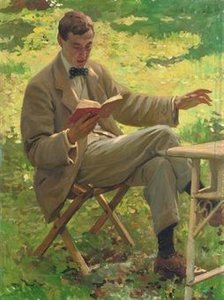
Munnings Alfred
1878 - 1959 , Egyesült Királyföld
Gyors információk
- Artistic Movement Or Style: Impressionista
- Artists Or Movements Influenced By This Artist: ['Modernizmus']
- Artists Who Influenced This Artist: ['Newlyn School']
- Date Of Birth: 1878. 10. 8.
- Date Of Death: 1959. 07. 17.
- Full Name: Sir Alfred James Munnings
- Nationality: Angol
- Notable Artworks:
- A Piper
- The Fancy Dress Ball
- Place Of Birth: Mendham, Anglia
Kapcsolódó cikkek

Evocations of Place: A Historical Journey Through Landscape Art
Explore the rich history of landscape art with AllPaintingsStore. Discover renowned artists, movements like Impressionism & Romanticism, and expert guidance for collecting timeless pieces. Find your perfect serene escape today!
Sir Alfred James Munnings legszebb 25 festménye – A vidéki Anglia és a lovak mestere | AllPaintingsStore
Fedezze fel Sir Alfred James Munnings 25 legszebb festményét! Ismerje meg a vidéki Anglia és a lovak mesterének életművét, technikáját és inspirációit. Vásároljon exkluzív reprodukciókat a AllPaintingsStore.com-on – múzeumi minőségben!
A 10 legikonikus impresszionista tájkép: művészeti remekművek otthonába | AllPaintingsStore.com
Fedezze fel a 10 legikonikus impresszionista tájkép festményt! Monet, Renoir, Degas és más művészek remekművei. Vászonképek, faliképek otthonába – inspirálódjon AllPaintingsStore.com-on! Explore the full collection online.

Alfred Sisley: Capturing the Ephemeral Essence of Impressionist Landscape
Explore the life & art of Alfred Sisley, a master of Impressionist landscape painting. Discover his dedication to 'en plein air' techniques and serene depictions of nature. Learn about his legacy & find high-quality reproductions at AllPaintingsStore.

A 10 legikonikus impresszionista tájkép: Művészeti remekművek otthonába – AllPaintingsStore.com
Fedezze fel a 10 legikonikus impresszionista tájkép festményt! Monet, Renoir és más mesterek alkotásainak története. Olajfestmények, vászonképek otthonába – AllPaintingsStore.com kínálatából. Explore the full collection online!


