- Főoldal

- Olajfestmény reprodukció
- Sir Joshua Reynolds
- John Hunter (1728 1793)

 Nyomat vásárlása Kép letöltése
 Megosztás
 Megosztás
 Részletek
 Kedvencekhez ad

 Letöltés
 Hasonló alkotások
 X-ray felvétel
 Diavetítés
John Hunter (1728 1793)
 Oil On Canvas
- WallArt
- Neoclassicism
 1789
1789- Early Modern
 140.0 x 111.0 cm
 Tovább olvasom
Kézzel készített olajfestmény reprodukció
Kézzel festett olajvastú vászon, az Ön által választott méretben és keretben, művészeink készítik meglévőre.




P118B $10

P118H $10

P118W $10

P438Z $10

P508JH $12

P508YH $12

P805H $10

P805Z $10

P919BZ $10

P919G $10

P919XJ $10

P959ZH $10

P968JZ $12

W106C $8

W218G $10

W218JH $8

W218Y $10

W307PJ $10

W316G $10

W316PJ $8

W316Y $10

W398PJ $8

W4111J $10

W500HY $15

W500JH $15

W692G $12

W849H $8

W940BG $15

W953PJ $8




Válasszon előre meghatározott méreteink közül, amelyek megfelelnek a műalkotás eredeti arányainak.

Ön megadhat saját méreteket egy adott kerethez vagy térhez igazításhoz. Ha a kiválasztott méret nem egyezik az eredeti kép arányával, akkor a műalkotást levágjuk, vagy további kézzel festett elemekkel meghosszabbítjuk a festményt. A gyártás megkezdése előtt küldünk Önnek egy digitális előnézetet jóváhagyásra.
Kérjük, vegye figyelembe, hogy a képernyőn megjelenő előnézet nem tükrözi a tényleges vágást vagy kiterjesztést. Csak az előnézet fog pontosan mutatni a végső kompozíciót.
Bár egyedi méretek állnak rendelkezésre, javasoljuk, hogy válasszon egy méretet az előre meghatározott listából az eredeti arányok megőrzése érdekében.
A rendelést követően a AllPaintingsStore.com csapata e-mailt küld az ügyfélnek az instrukciókért, és biztosít egy előnézeti képet (mockup).
Világszerte elérhető szállítás () 3-4 hét alatt a szokásos 5 hét helyett. (16 július). A minőség nem kérdőjelezhető.

Ingyenes globális expressz szállítás

Prémium minőségű len vászon

Teljes szállítási biztosítás

Vámvisszatérítési Garancia

Tökéletes színpontosság garancia

60 napos visszaküldési lehetőség (csak gyártási hibák esetén)

100%-os pénzvisszatérítési garancia

Kedvezmény több termény esetén
 Az üvegkeretes opció csak 110 cm alatti méretben érhető el

John Hunter (1728 1793)
Reprodukciós technika
A reprodukció mérete
-


Összesített ár
-
A műalkotás leírása
A Portrait of Enlightenment Intellect
To gaze upon Sir Joshua Reynolds' depiction of John Hunter is to step directly into the sophisticated drawing rooms of late 18th-century London. This portrait, executed in 1789, transcends a mere likeness; it is a carefully constructed monument to intellect and professional standing. John Hunter, a surgeon whose life spanned from 1728 to 1793, is presented not just as an individual, but as a pillar of the Enlightenment—a man whose knowledge was both rigorously academic and deeply practical. Reynolds masterfully captures him seated, one hand resting thoughtfully against his chin, a gesture that speaks volumes of contemplation and deep thought.
The Setting: A Tapestry of Knowledge
Observe the background with an eye for detail, for it contributes as much to the narrative as the sitter himself. The scene is richly appointed with a towering bookshelf, its shelves groaning under the weight of neatly arranged volumes. These books are more than mere props; they are tangible symbols of accumulated wisdom and scholarly pursuit. Scattered amongst this intellectual backdrop are various bottles—perhaps tinctures, chemicals, or medicinal preparations—suggesting Hunter's profession as a surgeon. The inclusion of these objects grounds the portrait in a specific time and trade, elevating it from simple portraiture to an artifact of scientific history. The very air around the painting seems thick with the scent of aged paper and potent remedies.
Reynolds' Brushwork: Capturing the Soul
Sir Joshua Reynolds, a titan of British portraiture, employed his brush with breathtaking dexterity here. His technique allows the viewer to appreciate both the polished sheen of Hunter’s suit and tie, speaking to his social standing, and the softer textures of his skin, revealing the humanity beneath the professional facade. The handling of light is particularly noteworthy; it seems to emanate from an unseen source, illuminating Hunter's face just so, drawing the viewer's eye directly into his thoughtful gaze. This masterful use of chiaroscuro gives the painting a profound sense of depth and permanence.
Symbolism and Enduring Resonance
This artwork is a beautiful meditation on the intersection of art, science, and status during a period of intense cultural flowering. The combination of the formal portraiture tradition with the overt display of scientific paraphernalia suggests that in this era, intellectual achievement was the ultimate marker of gentlemanly worth. For the modern collector or designer, owning such a piece offers more than decoration; it is an heirloom conversation starter. It speaks to a reverence for learning and the dignity of skilled craftsmanship, inviting contemplation on the enduring value of knowledge itself.
Hasonló műalkotások


A művész életrajza
A Luminary of the Enlightenment: The Life and Art of Sir Joshua Reynolds
Born in 1723 in the quaint Devonshire town of Plympton, Sir Joshua Reynolds emerged as a pivotal figure during a period of immense cultural transformation in Britain. His father, Reverend Samuel Reynolds, instilled in him a love for learning and intellectual pursuits, initially steering young Joshua towards a scholarly path. However, an undeniable artistic inclination soon surfaced, leading to his apprenticeship with Thomas Hudson in London at the age of seventeen. This formative experience provided Reynolds with a solid foundation in portraiture—a genre that would define his illustrious career. Hudson’s studio was a bustling hub of fashionable society, exposing Reynolds to the demands and expectations of aristocratic patrons, shaping not only his technique but also his understanding of the social landscape he would come to depict so masterfully. It wasn't merely about capturing likeness; it was about constructing an image that reflected status, taste, and aspiration.Forging a ‘Grand Style’ for British Portraiture
Reynolds didn’t simply replicate what he learned from Hudson. He embarked on a journey of artistic exploration, fueled by a deep admiration for the Old Masters—particularly Raphael, Michelangelo, and Titian. A pivotal moment in his development was a sojourn to Rome in 1750, where he immersed himself in classical art and absorbed the principles of the ‘Grand Style’ – an approach that prioritized idealized beauty, dramatic composition, and historical or mythological allusions. Upon returning to England, Reynolds sought to elevate British portraiture beyond mere representation, infusing it with a sense of dignity and intellectual weight previously unseen. He believed that portraits should not just record physical appearances but also reveal the sitter's character and social standing. This ambition led him to incorporate elements of history painting into his work, often depicting his subjects in elaborate costumes or staged settings reminiscent of classical narratives. He wasn’t merely painting *people*; he was crafting enduring images of power, intellect, and refinement. Reynolds meticulously studied the works of Rembrandt, Rubens and Van Dyck, incorporating their techniques and compositional strategies into his own style.The First President and Champion of the Royal Academy
Reynolds' influence extended far beyond his own canvas. In 1768, he became a founding member of the Royal Academy of Arts, and crucially, its first president—a position he held until his death in 1792. This was a watershed moment for British art, establishing an institution dedicated to fostering artistic talent and promoting national identity. Reynolds tirelessly advocated for the importance of art education and championed the recognition of artists as professionals deserving of respect and patronage. His annual Discourses – lectures delivered to Academy students – became seminal texts on artistic theory and practice, outlining his vision for a distinctly British school of painting. He stressed the importance of studying nature, mastering technique, and cultivating imagination, urging artists to strive for originality while remaining grounded in tradition. Reynolds’ leadership transformed the landscape of British art, elevating its status and laying the foundation for future generations of artistic innovation. He was knighted by King George III in 1769, a testament to his significant contribution to the nation's cultural life.Capturing an Era: Notable Works and Enduring Legacy
Reynolds’ prolific output encompassed portraits of some of the most prominent figures of 18th-century Britain—members of the aristocracy, literary luminaries, and military heroes. His portrait of Duke of Devonshire, for example, exudes an air of aristocratic power and sophistication, while his depiction of Peter Darnell Muilman, Charles Crokatt and William Keable in a Landscape showcases his ability to integrate figures seamlessly into natural settings. Mr and Mrs William Lindow is another compelling example of his skill in capturing the intimacy and social dynamics of family life. Beyond individual portraits, Reynolds also excelled at group compositions, skillfully arranging multiple figures within a single frame to create dynamic and engaging narratives. His work wasn’t simply about technical proficiency; it was about storytelling—about conveying the essence of an era through carefully constructed images. He was known for his ability to capture not just physical likeness but also the personality and character of his subjects, imbuing each portrait with a sense of life and drama. Reynolds' impact on British art is immeasurable. He not only established portraiture as a respected genre but also helped shape the cultural identity of a nation undergoing rapid social and political change. His emphasis on the ‘Grand Style’ inspired generations of artists, while his leadership of the Royal Academy laid the groundwork for the development of a thriving artistic community. Today, his paintings continue to captivate audiences with their elegance, psychological depth, and historical significance—a testament to the enduring power of his vision and artistry. His works can be found in prestigious collections worldwide, including the Tate Britain in London and the Royal Collection at Hampton Court, ensuring that his legacy will continue to inspire and inform for centuries to come.Key Influences and Artistic Development
Reynolds’ artistic development was profoundly shaped by a confluence of influences. Initially drawn to the works of Thomas Hudson, he quickly expanded his repertoire, immersing himself in the art of the Old Masters—particularly Raphael, Michelangelo, and Titian. His sojourn to Rome in 1750 proved transformative, exposing him to the ideals of classical antiquity and providing direct access to masterpieces that fueled his ambition to elevate British portraiture beyond mere representation. The influence of Rembrandt’s dramatic lighting and psychological depth, Rubens' dynamic compositions, and Van Dyck’s elegant portrayal of aristocratic subjects all contributed to the formation of Reynolds’ distinctive style. He wasn't merely imitating these masters; he was synthesizing their techniques and principles into a uniquely British approach—a ‘Grand Style’ that emphasized idealized beauty, historical or mythological allusions, and a sense of dignified grandeur.Legacy and Historical Significance
Sir Joshua Reynolds stands as one of the most important figures in the history of British art. His pioneering work in establishing the Royal Academy of Arts fundamentally reshaped the artistic landscape of England, fostering a vibrant community of artists and promoting the recognition of painting as a legitimate profession. His emphasis on the ‘Grand Style’ – a deliberate departure from the more anecdotal portraiture of the early 18th century – elevated British art to new heights of sophistication and intellectual depth. Reynolds' portraits not only captured the likenesses of prominent figures but also conveyed their character, social standing, and aspirations—making them enduring symbols of an era. His influence can be seen in the work of subsequent generations of British artists, solidifying his place as a foundational figure in the development of the nation’s artistic identity.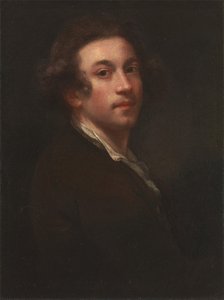
Sir Joshua Reynolds
1723 - 1792 , Egyesült Királyság
Rövid tények
- Artistic Movement Or Style: Grand Style portré
- Artists Or Movements Influenced By This Artist: ['Thomas Gainsborough']
- Artists Who Influenced This Artist: ['Thomas Hudson']
- Date Of Birth: 1723. július 16.
- Date Of Death: 1792. február 23.
- Full Name: Sir Joshua Reynolds
- Nationality: Angol
- Notable Artworks:
- Peter Darnell Muilman...
- Mr és Mrs William Lindow
- Portrét John Hayes-ről...
- Place Of Birth: Plymouth, Anglia
Kapcsolódó cikkek
Sir Joshua Reynolds legszebb művei: Klasszikus portrék és a brit arisztokrácia ragyogása – AllPaintingsStore
Fedezze fel Sir Joshua Reynolds 25 legszebb művét! Klasszikus portrék, brit arisztokrácia és a 18. század festészete – AllPaintingsStore minőségi reprodukciókkal. Elegáns otthoni dekorációhoz inspiráló képek és vászonképek. Böngéssze gyűjteményünket online!

A 18. Század Mesterei: 10 Képi Gyöngyem a Történelemből | AllPaintingsStore
Fedezze fel a 18. század legikonikusabb műalkotásait! Jacques-Louis David, Fragonard és más mesterek remekművei rokokó stílusban, barokk eleganciával. Művészeti reprodukciók prémium minőségben – inspirálja otthonát a AllPaintingsStore.com kínálatával! Explore the full collection online.

Portrék világa: A 10 legikonikus műalkotás a lélek mélységeiről – AllPaintingsStore.com
Fedezze fel a 10 legikonikus portré festményt! Ismerje meg Rembrandt, Leonardo da Vinci és más mesterek történetét. Klasszikus és modern műalkotások – AllPaintingsStore.com minőségi reprodukciókkal. Otthoni dekoráció inspirációért tekintse meg a teljes gyűjteményünket!

Sir Joshua Reynolds: Shaping British Art Through Grand Style & Societal Portraiture
Explore the life & work of Sir Joshua Reynolds, a master of British portraiture and founder of the Royal Academy. Discover his 'Grand Style,' techniques, and lasting influence on art history. Learn more at AllPaintingsStore.
A National Gallery győgyöngyei: 25 műalkotás, melyek inspirálnak – AllPaintingsStore.com
Fedezze fel a National Gallery Washington 25 legikonikusabb műalkotását! Cézanne, Matisse és Picasso remekművei – történetükkel, technikájukkal. Inspirálódjon festményekből otthona dekorációjához. Museum-minőségű reprodukciók a AllPaintingsStore.com oldalon!