


 Megtekintés

 Küldés
 Megosztás
 Részletek
 Útmutató


 Letöltés
 Hasonló darabok
 X-ray felvétel
 Diavetítés
 Kérdések és válaszok
 Statisztika
Interior

 Összes részlet megjelenítése
Az ezen az oldalon megjelenített műalkotások szerzői jogi védelem alatt állnak, ami azt jelenti, hogy törvényileg nem készíthetünk és nem adhatunk el belőlük pontos másolatokat. Ez a védelem olyan nemzetközi megállapodások alapján érvényesül, mint például a Berni Egyezmény és a nemzeti jogszabályok által, beleértve azokat is, amelyeket meghatározott Az USA szerzői jogi törvénye – 17. cím.
Ez a módszer teljes mértékben megfelel a szerzői jogi szabályozásnak, mivel nem tartalmazza a védett műalkotás másolását vagy duplikálását. Ehelyett ez egy kreatív újinterpretáció – egy új festmény, amely az eredetivel való összefüggései miatt hatással van rá, de nem az az.
Giclée / Műnyomat
Múzeumi minőségű giclée vagy vászonnyomat, gyors gyártással és rugalmas finomítási lehetőségekkel. ( Kézzel festett másolat rendelése Áttérés digitális képre)
P118B Ft10
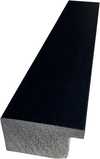
P118H Ft10
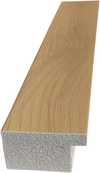
P118W Ft10
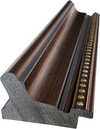
P438Z Ft10
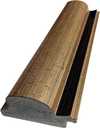
P508JH Ft12
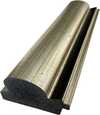
P508YH Ft12
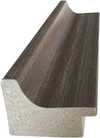
P805H Ft10
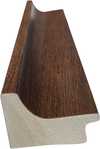
P805Z Ft10
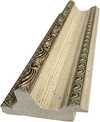
P919BZ Ft10
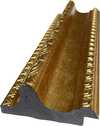
P919G Ft10
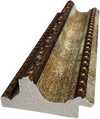
P919XJ Ft10
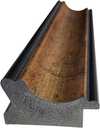
P959ZH Ft10
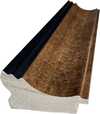
P968JZ Ft12
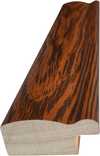
W106C Ft8
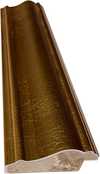
W218G Ft10
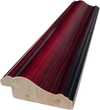
W218JH Ft8
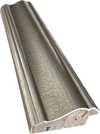
W218Y Ft10
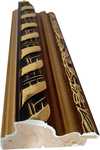
W307PJ Ft10
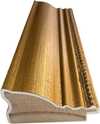
W316G Ft10
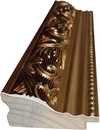
W316PJ Ft8
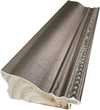
W316Y Ft10
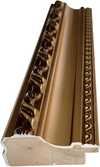
W398PJ Ft8
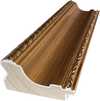
W4111J Ft10
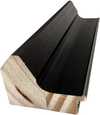
W500HY Ft15
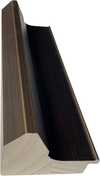
W500JH Ft15
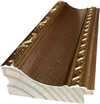
W692G Ft12
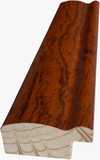
W849H Ft8
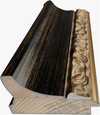
W940BG Ft15
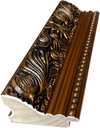
W953PJ Ft8
Válasszon előre meghatározott méreteink közül, amelyek megfelelnek a műalkotás eredeti arányainak.

Írja be a keretének vagy a falának megfelelő szélességet és magasságot. A nyomatot csak le lehet vágni, soha nem tehető nagyobbá, mint az eredeti kép, így egy eltérő alakú méretnél a kép egy része elveszik. Mielőtt bármit kinyatintanánk, küldünk egy digitális próbamodellt jóváhagyásra. Az oldalon látható kép nem tartalmazza a valós levágást — ezt csak a próbamodell mutatja meg.
Világszerte történő kiszállítás területére mindössze 2 hét alatt, a szokásos 4-5 hét helyett. (20 november)

Ingyenes globális expressz szállítás

Prémium minőségű len vászon

Teljes körű szállítási biztosítás

Vámvisszatérítési Garancia

Hiteles színarányosság garancia

100 napos visszaküldési lehetőség (csak hibás termékek esetén)

100% pénzvisszatérítési garancia

Több darab vásárlásakor kedvezmény
 Az üvegkeretes opció csak 110 cm alatti méretben érhető el

Interior
Giclée / Műnyomat
Reprodukció mérete
-


Összesített ár
Ft 21137
A Dynamic Vision of Modernity: Exploring Stuart Davis’s “Interior”
Stuart Davis's “Interior” is a captivating example of American Modernism, pulsating with energy and reflecting the artist’s unique response to the burgeoning urban landscape and the rhythms of jazz. Created sometime during his prolific career (1892-1964), this work embodies Davis’s commitment to developing a distinctly American visual language, moving beyond European influences towards a bold, independent style.
Deconstructing Space: Style & Technique
- The artwork is immediately striking for its geometric abstraction. Davis employs fragmented forms and flattened perspectives – hallmarks of both Cubism and Constructivism – but infuses them with a uniquely American sensibility.
- A vibrant palette dominates, anchored by the stark contrast between the white background, bold reds, blues, and greys, and punctuated by energetic black lines. The orange border further intensifies this visual impact.
- Davis’s technique is evident in the visible brushstrokes and layering of paint, creating a subtle texture that adds depth despite the overall flattened composition. This suggests an active process of building up form and color on the canvas, likely using oil paints as his primary medium.
- The arrangement isn't simply random; it’s carefully orchestrated into distinct zones – a tower-like structure in blue-grey, a dynamic red section with a vertical ‘sail’ or flag element, and a central area of interwoven geometric shapes. This zoning creates a sense of controlled chaos.
Echoes of Jazz & the Machine Age: Context & Symbolism
Davis was deeply influenced by jazz music, which he saw as embodying the spirit of modern America – improvisational, energetic, and uniquely its own. While “Interior” isn’t a direct representation of musical notes, the dynamic interplay of shapes and colors evokes the same sense of rhythm and syncopation found in jazz compositions.
- The architectural elements, particularly the stylized tower, could be interpreted as representing aspiration or the burgeoning skyscrapers of American cities. Davis frequently engaged with urban themes throughout his career.
- The ‘sail’ or flag-like form introduces a sense of movement and direction, perhaps symbolizing progress or the forward momentum of modern life.
- His early exposure to the Armory Show in 1913 was pivotal. While his initial works reflected the Ashcan School style, he quickly absorbed and transformed European avant-garde ideas into something distinctly American.
Emotional Resonance & Lasting Impact
“Interior” is not a tranquil scene; it’s charged with energy and tension. The fragmented forms and bold colors create a sense of dynamism, while the lack of traditional perspective can be slightly unsettling. This emotional complexity reflects the anxieties and excitements of a rapidly changing world.
- The artwork invites viewers to actively engage with its abstract language, prompting individual interpretations and fostering a personal connection.
- As a pioneering figure in American Modernism, Stuart Davis paved the way for subsequent generations of artists. His work continues to inspire those seeking to break free from convention and explore new forms of visual expression.
Kérdések és válaszok
Van-e útmutató a(z) „Interior”, Stuart Davis alkotása alkotáshoz?
A „Interior”, Stuart Davis alkotása alkotáshoz elérhető egy Útmutató oldal: ez egy kinyomtatható információs lap a műről, amelyet diákok számára és tantervhez készült használatra terveztek.
Milyen színpaletta jellemzi a(z) „Interior”, Stuart Davis alkotása alkotást?
A "Interior" színei egy Metallics palettát alkotnak. Ez a besorolás a domináns színek családjait írja le.
Milyen stílusba tartozik a "Interior"?
A „Interior”, Stuart Davis alkotása művészeti irányata a Cubism. Ez a klasszifikáció a művet a kapcsolódó alkotók és alkotások közé sorolja.
Hasonló műalkotások


A művész életrajza
Stuart Davis: Az amerikai modernizmus úttörője
Korai élet és képzés
Stuart Davis, aki 1892. december 7-én született Philadelphiában, már gyermecsapáiban is a művészet lenyűgöző környezetébe áltkozott. Apja, Edward Wyatt Davis a Philadelphia Press művészeti szerkesztőjeként dolgozott, édesanyja, Helen Stuart Davis pedig szobrászművész volt. Ez a családi háttér kétségtelenül alapot teremtett korai vizuális érdeklődésének, amely később egész életművévé vált.
Davis 1909 és 1912 között a New York-i Robert Henri School of Art keretein belül szerezte meg formális képzését, Robert Henri közvetlen vezetésével. Ezen időszak alatt tartós barátságokat kötött kortárs festővé, John Sloannal, Glenn Colemannal és Henry Glintenkampmal, akikkel közös művészeti utat járt.
Korai karrier és a Armory Show
Davis hamar kitűnt, hiszen 1913-ban, a fordulópont jellegű Armory Show kiállításon az egyik legfiatalabb résztvevőként kapott elismerést. Öt akvarellfestményét mutatta be, amelyek az Ashcan School stílusát tükrözték, ezzel is megindítva saját egyedi művészeti kalandját.
Művészi fejlődés és stílus
A 1920-as évek során Davis kidolgozta sajátos, érett stílusát. Elkezdett absztrakt ártányfestményeket és tájképeket alkotni, melyeket egyfajta proto-pop art elem határoz meg; kompozícióiba olyan kortárs tárgyakat beépítve, mint a cigarettacsomagok vagy a gyertyatüzer reklamok. Művészete ismert bátor, merész és színes természetéről.
Davis művészi kifejezését mélyen befolyásolta a jazz zene iránti szeretet, ami egyre nyilvánvalóbbá vált az 1940-es és 1950-es évek festményeiben. Az Ashcan School mozgalom szintén döntő szerepet játszott korai esztétikai érzékének kialakításában.
Hatások és inspirációk
- Robert Henri: Alapvető képzést biztosított és arra ösztönözte, hogy közvetlenül figyelje meg a valóságot.
- Ashcan School: Influálta kezdeti fókuszát az urbanisztikai realizusra és a mindennapi témákra.
- Kubizmus: Inspirálta az absztrakt formák és a fragmentált perspektívák felfedezését.
- Jazz zene: hozzájárult festményei ritmusos energiájához és improvizációs jellegéhez.
Jelentős alkotások
Az 1928-ban befejezett Odol (Modernizmus) Davis egyed Mul stílusának remek példája. Ez a festmény megtestesíti képességét, amellyel az absztrakt formákat a popkultúra felismerhető képi elemeivel képes összefonni.
Egyéb jelentős alkotásai közé tartozik a Rocks, Gloucester (1915), a The Mellow Pad, valamint a Tropes de Teens (1956).
Örökség és történelmi jelentőség
Stuart Davis hozzájárulása az amerikai modernizmushoz vitathatatlan. Megkísértette a hagyományos művészeti konvenciókat, és felvállalta a kortárs témák befogadását, ezzel utat nyitva a jövő generációi számára is.
Mint az absztrakt művészet úttörője, segített létrehozni egy egyértelműen amerikai hangot a modern művészettörténet szélesebb kontextusában. Művészete ma is inspirálja és befolyásolja a művészeket, megerősítve helyét a 20. századi művészet meghatározó alakjaként.

Stuart Davis
1892 - 1964 , Amerikai Egyesült Államok
Rövid információk
- Artistic Movement Or Style: American Modernism
- Artists Or Movements Influenced By This Artist: ['Ashcan School']
- Artists Who Influenced This Artist: ['Robert Henri']
- Date Of Birth: December 7, 1892
- Full Name: Stuart Davis
- Nationality: American
- Notable Artworks:
- Odol (Modernism)
- Rocks, Gloucester
- Place Of Birth: Philadelphia, United States of America
Kapcsolódó cikkek

Fragmented Beauty: A Professional Guide to Deconstructed Forms and Cubist Masterpieces for Architectural Design
Elevate hospitality interiors with professional-grade Cubist reproductions. Our expert guide explores deconstructed forms for designers, offering high-volume, hand-painted oil masterpieces, custom multi-panel sets, and seamless global procurement for hotels and corporate spaces.
