


 Előnézet
 Megosztás
 Megosztás
 Részletek
 Útmutató

 Letöltés
 Hasonló darabok
 X-ray felvétel
 Diavetítés
 Statisztika
Triptych (interior)
 Oil On Panel
- Gothic art
 1333
1333 63.0 x 41.0 cm
 Staatliche Museen zu Berlin
 Tovább olvasom
Giclée / Műnyomat
Múzeumi minőségű giclée vagy vászonnyomat, gyors gyártással és rugalmas finomítási lehetőségekkel. ( Kézzel festett másolat vásárlása Áttérés digitális képre)




P118B Ft10

P118H Ft10

P118W Ft10

P438Z Ft10

P508JH Ft12

P508YH Ft12

P805H Ft10

P805Z Ft10

P919BZ Ft10

P919G Ft10

P919XJ Ft10

P959ZH Ft10

P968JZ Ft12

W106C Ft8

W218G Ft10

W218JH Ft8

W218Y Ft10

W307PJ Ft10

W316G Ft10

W316PJ Ft8

W316Y Ft10

W398PJ Ft8

W4111J Ft10

W500HY Ft15

W500JH Ft15

W692G Ft12

W849H Ft8

W940BG Ft15

W953PJ Ft8




Válasszon előre meghatározott méreteink közül, amelyek megfelelnek a műalkotás eredeti arányainak.

Írja be a keretének vagy a falának megfelelő szélességet és magasságot. A nyomatot csak le lehet vágni, soha nem tehető nagyobbá, mint az eredeti kép, így egy eltérő alakú méretnél a kép egy része elveszik. Mielőtt bármit kinyatintanánk, küldünk egy digitális próbamodellt jóváhagyásra. Az oldalon látható kép nem tartalmazza a valós levágást — ezt csak a próbamodell mutatja meg.
Világszerte történő kiszállítás területére mindössze 2 hét alatt, a szokásos 4-5 hét helyett. (25 október)

Ingyenes globális expressz szállítás

Prémium minőségű len vászon

Teljes körű szállítási biztosítás

Vámvisszatérítési Garancia

Tökéletes színarányosság garancia

100 napos visszaküldési garancia (csak gyártási hibás termékek esetén)

100% pénzvisszatérítési garancia

Több darab vásárlásakor kedvezmény
 Az üvegkeretes opció csak 110 cm alatti méretben érhető el

Triptych (interior)
Giclée / Műnyomat
Reprodukció méretei
-


Összesített ár
Ft 20514
A Glimpse into Medieval Devotion: Taddeo Gaddi's "Triptych (interior)"
Within the hallowed halls of Berlin’s Staatliche Museen resides a poignant testament to 14th-century Italian piety – Taddeo Gaddi’s “Triptych (interior).” Crafted around 1333, this intimate work offers a window into the fervent religious landscape of Florence during a period of artistic transition. More than just a devotional object, it's a masterful display of Gaddi’s skill as Giotto’s most celebrated pupil, showcasing his ability to blend the innovative naturalism of his mentor with the lingering grace of Gothic tradition. The triptych, measuring 63 x 41 cm for the central panel and smaller dimensions for each wing, is rendered in poplar wood, a common material for Florentine panels of the era, and its preservation allows us to connect directly with the artistic sensibilities of a bygone age.
The Narrative Unveiled: Scenes of Mary's Life
Upon opening this hinged masterpiece, one is immediately drawn into a world of quiet contemplation. The central panel depicts the Virgin Mary enthroned, cradling the Christ Child amidst a gathering of apostles and prophets. This iconic image, a cornerstone of Christian iconography, radiates serenity and maternal tenderness. Flanking this central scene are two smaller panels that narrate key moments in Mary’s life. The left wing portrays an early Nativity scene, imbued with a gentle warmth and human connection. Above it, we see Saint Nicholas freeing Adeodatus from slavery – a story of divine intervention and compassion. The right wing presents a depiction of the Crucifixion, underscored by another episode featuring Saint Nicholas restoring Adeodatus to his parents. This pairing of events—the sacrifice of Christ alongside acts of selfless kindness—highlights the interconnectedness of faith, suffering, and redemption within the medieval worldview.
Gaddi's Artistic Language: Bridging Gothic and Renaissance
Taddeo Gaddi’s style in this triptych is a fascinating blend of influences. While clearly indebted to Giotto’s revolutionary approach to depicting human figures with greater realism and emotional depth, Gaddi retains certain characteristics of the late Gothic period. Observe the elongated proportions of the figures, the elegant drapery folds, and the stylized architectural backgrounds—all hallmarks of the preceding artistic style. However, Gaddi's use of light and shadow is more nuanced than earlier Gothic works, hinting at the emerging Renaissance interest in creating a sense of three-dimensionality. The details are meticulously rendered; from the intricate patterns on Mary’s robes to the expressive faces of the apostles, each element contributes to the overall narrative power of the piece. The use of color, while restrained by medieval conventions, is nonetheless effective in conveying mood and highlighting key figures.
Symbolism and Devotional Significance
Beyond its aesthetic qualities, the “Triptych (interior)” is rich in symbolic meaning. The triptych format itself—three panels hinged together—was a popular choice for devotional art during this period, allowing viewers to open and close the work as a form of prayer or meditation. The inclusion of Saint Nicholas reinforces themes of charity and divine grace. Mary’s central position underscores her pivotal role in Christian theology. The overall effect is one of profound reverence and spiritual contemplation—a tangible expression of faith intended to inspire devotion in its viewers. This wasn't merely an artistic creation; it was a tool for fostering piety, a visual sermon designed to deepen the connection between the individual and the divine.
Gyakran Ismételt Kérdések
Milyen színharmóniát mutat be „Triptych (interior)”, Taddeo Gaddi alkotása?
A „Triptych (interior)”, Taddeo Gaddi alkotása egy Unified Palette színharmóniát mutat be.
Melyik országból származik a Gothic art irányzat Triptych (interior) című műve?
A "Triptych (interior)" a alkotó születésihelyén keresztül köti össze a Gothic art irányzatot Olaszország-val.
Hol tudom letölteni a(t) „Triptych (interior)”, Taddeo Gaddi alkotása?
Letölthető változat elérhető a "Triptych (interior)" alkotás esetében: a mű Letöltés oldala magas felbontású digitális kép letöltés lehetőséget kínál.
Hasonló műalkotások


A művész életrajza
A florentiai vízionári: Taddeo Gaddi élete és öröksége
A 14. századi Firenze vibráló, fejlődő légkörében, amely a középkor és a korai reneszánsz közötti átmenetben definiált időszak volt, Taddeo Gaddi a fény, a narratívum és a monumentális építészeti díszesség mestereként emelkedett ki. A legendás Giotto di Bondone egyik legkiemelkedőbb tanítványaként Gaddi nem csupán egy stílust örökölt; ő kibővítette kora vizuális nyelvét is. Művészete létfontosságú hídként szolgált, átvinye a giottesque naturalizmus monumentális súlyát a dekoratív összetettség és a fényes történetmesélés új dimenzióiba. Gaddi tanulmányozása a florentiai festészet evolúciójának tanúbizonysága, ahol a bizánci hagyomány merev hierarchiái a humanisztikus érzelmek és a térbeli mélység hatására kezdtek lágyulni.
Gaddi művészetének alapjai mélyen gyökereztek Giotto műtermében, ahol megtanulta a chiaroscuro mély jelentőségét és a figurák fizikai jelenléttel rendelkező ábrázolásának képességét. Gaddi azonban egyfajta természetes hajlammal rendelkezott az ornamentálisabb és részletgazdagabb megkövetelés felé, mint mestere. Mինչ Giotto az emberiség nyers, szobrászi esszenciájára összpontosított, Gaddi finom eleganciát és a fény kifinomult használatát wprowadta, amely egy sík felületet is képesvé tehette a istenféle ragyogás ablakává. Ez az egyedülálló szintézis lehetővé tette számára, hogy kiváló legyen a nagyszabású freskó-ciklusokban, ahol példátlan képességgel szervezte a komplex teológiai narratívákat olyan építészeti keretek közé, amelyek egyszerre voltak szentek és hús-vér tapinthatóak.
A történetmesélés mesteriete és a szent fény
Gaddi tartós művészettörténeti hozzájárulásai leginkább nagyszerű freskó-ciklusokban nyilvánulnak meg, legfőbb említést kap a firenzei Santa Croce templomban található Baroncelli-kápolnában. Ezekben a művekben a narratív kontinuitás lélegzetelálló szintjét érte el, ritmusos kecsességgel vezetve a nézőt az álszentek életén keresztül. Technikája a szín és a fény gondos rétegezésén alapult, gyakran használva arany díszítéseket és gazdag pigmenteket, hogy idézze a istenféle égi hangulatot. Mesterlegessége olyan alkotásokban is megfigyelhető, mint a Szent Ferenc életéből egy jelenet, ahol a művész a mély spirituális intimitás pillanatait örökíti meg. Ezek ábrázolásán keresztül Gaddi nem csupán egy történetet mesél; egy magával ragadó környezetet teremt, ahol madarak, tájak és emberi alakok egyfajta szent egyensúlyban léteznek egymással.
Vallásos áránlásán túlmutatva Gaddi munkáját számos meghatározó művészeti elem jellemzi:
- Építészeti integráció: Ritka tehetséggel rendelkezett az olyan építészeti keretek festésére, amelyek úgy tűntek, kiterjesztik a kápolna vagy templom valós fizikai terét.
- Fényes színpaletták: Vibráló kékjei, mélyvörösei és csillogó aranyai segítettek meghatározni a florentiai iskola esztétikai pompáját.
- Narratív részletesség: Elődmei, merevebb kompozícióival ellentétben Gaddi gazdagította jeleneteit bonyolult részletekkel – a szerzetes habitusának textúrájától kezdve a természet finom mozgásáig.
- A fény evolúciója: Kísérletezett a fény és a felületek interakciójának határainak bővítésével, olyan hangulatérzetet teremtve, amely előrejegyezte a későbbi reneszánsz mesterek légköri perspektíváját.
Történelmi jelentőség és művészeti örökség
Taddeo Gaddi történelmi fontossága őrzőként és innovátorként betöltött szerepében rejlik. Megőrizte a giottesque hagyomány monumentális méltóságát, miközben egyidejűleg befűzte bele azt a dekoratív gazdagságot, amely a késő gótikus kort jellemezte. Hatása messze túlnyúlt a florentiai kápolnák falain, befolyásolva a következő generációk festői szemléletét a tér és a fény fogalmáról. A képzettségének strukturális szilárnosťát ötvözve egy újabb, lírikebb érzékiséggel, Gaddi segített felkészíteni a művészeti tájat a reneszánsz teljes virágzására.
Művészetére visszatekintve egy olyan művészt látunk, aki mélyen érezte ideje spirituális és polgári pulzusát. A szentséget a növekvő naturalizmus lencséjén keresztül ábrázoló képessége biztosította, hogy alkotásai ne csupán veneráció tárgyai maradjanak, hanem technikai teljesítményük miatt mesterművek is legyenek. Taddeo Gaddi az olasz művészettörténet egyik alapköve marad; egy olyan festő, akinek ecsetvonásai megörökítették azt a pillanatot, amikor a középkori világ felfordult, és a fény felé, egy új, emberközpontú korszak felé kezdett tekinteni.

Taddeo Gaddi
1290 - 1366 , Olaszország
Gyors információk
- Artistic Movement Or Style: Korai Reneszánsz
- Artists Or Movements Influenced By This Artist:
- Giotto
- Proto-Reneszánsz
- Artists Who Influenced This Artist:
- Simone Martini
- Italo-bizánci művészet
- Date Of Birth: kb. 1290
- Date Of Death: 1348
- Full Name: Ambrogio Lorenzetti
- Nationality: Olasz
- Notable Artworks:
- A jó kormányzás allegóriája
- A rossz kormányzás allegóriája
- Place Of Birth: Siena, Olaszország
Kapcsolódó cikkek
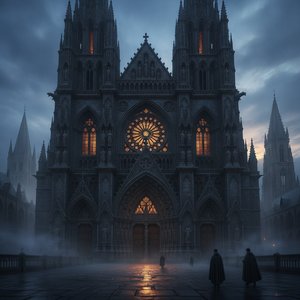
Gothic Art Guide for Hotel Designers: Leveraging Dramatic Shadows and Architectural Grandeur in Luxury Interiors
Elevate hospitality interiors with our expert guide to Gothic art. Discover how to leverage dramatic shadows, architectural grandeur, and high-end reproductions to create sophisticated, atmospheric hotel spaces that captivate guests.


