


 Megtekintés
 Küldés
 Megosztás
 Részletek
 Útmutató

 Letöltés
 Hasonló darabok
 X-ray felvétel
 Diavetítés
 Statisztika
Spring
 Oil
Oil- WallArt
- Young Poland
 19th Century
 5.0 x 59.0 cm
 Masovian Museum in Płock
 Összes részlet megjelenítése
Kézzel készített olajfestmény reprodukció
Kézzel festett olajvastú vászon, az Ön által választott méretben és keretben, művészeink készítik meglévőre. ( Váltás nyomtatványra Áttérés digitális képre)




P118B Ft10

P118H Ft10

P118W Ft10

P438Z Ft10

P508JH Ft12

P508YH Ft12

P805H Ft10

P805Z Ft10

P919BZ Ft10

P919G Ft10

P919XJ Ft10

P959ZH Ft10

P968JZ Ft12

W106C Ft8

W218G Ft10

W218JH Ft8

W218Y Ft10

W307PJ Ft10

W316G Ft10

W316PJ Ft8

W316Y Ft10

W398PJ Ft8

W4111J Ft10

W500HY Ft15

W500JH Ft15

W692G Ft12

W849H Ft8

W940BG Ft15

W953PJ Ft8




Válasszon előre meghatározott méreteink közül, amelyek megfelelnek a műalkotás eredeti arányainak.

Írja be a kívánt szélességet és magasságot, hogy illeszkedjen a keretéhez vagy a falához. Mivel ez kézzel festett alkotás, egy eltérő formájú méret esetén a művész akár festhet is valamivel többet a kép körül, vagy korolathat is belőle — az Ön döntésének megfelelően. A festés megkezdése előtt küldünk egy digitális tervezetet jóváhagyásra. Az oldalon látható kép nem tartalmazza a végeredményt — csak a tervezet mutatja meg a valódi eredményt.
A rendelést követően a AllPaintingsStore.com csapata e-mailt küld az ügyfélnek az instrukciókért, és biztosít egy előnézeti képet (mockup).
Világszerte elérhető szállítás () 3-4 hét alatt a szokásos 5 hét helyett. (27 október). A minőség nem kérdőjelezhető.

Ingyenes globális expressz szállítás

Prémium minőségű len vászon

Teljes körű szállítási biztosítás

Vámvisszatérítési Garancia

Hiteles színarányosság garancia

100 napos visszaküldési lehetőség (csak hibás termékek esetén)

100% pénzvisszatérítési garancia

Több darab vásárlásakor kedvezmény
 Az üvegkeretes opció csak 110 cm alatti méretben érhető el

Spring
Reprodukciós technika
Reprodukció mérete
-


Összesített ár
Ft 82822
A Moment of Introspection: The Radiance of Spring
In the delicate brushstrokes of Teodor Axentowicz’s "Spring," we are invited into a private, sun-drenched sanctuary where time seems to pause. This captivating portrait captures a woman of striking presence, her vibrant red hair and matching hat serving as a brilliant focal point against the soft, natural light of an outdoor setting. As she gazceptively holds a mirror, gazing at her own reflection, the painting transcends mere portraiture to become a profound meditation on identity and self-perception. The composition is masterfully balanced; while the woman remains the emotional heart of the piece, subtle details such as a perched bird in the upper periphery and a quiet arrangement of a vase and book in the lower corner weave a narrative of peaceful coexistence between humanity and the natural world.
The technique employed here speaks to Axentowicz’s rigorous academic training in Munich and Paris. There is a palpable sense of texture in the way light dances across the fabric of her attire and the reflective surface of the mirror, suggesting a mastery of light and shadow that recalls the great masters he once studied. The artist utilizes a palette that celebrates the warmth of a burgeoning season, using luminous tones to evoke the gentle heat of a sunny day. This skillful application of paint creates an atmosphere that is both tactile and ethereal, making the scene feel as though it could be witnessed through a window into another era.
Symbolism and the Spirit of the Era
Beyond its aesthetic beauty, "Spring" carries deep symbolic weight. The mirror, a classic motif in art history, serves as a window into the soul, representing the duality of appearance and essence. In this context, the act of looking inward during the season of rebirth suggests a period of personal renewal and growth. The presence of the bird and the floral elements further reinforces the theme of vitality and the cyclical nature of life. As a key figure in the Young Poland movement, Axentowicz often infused his works with a sense of romanticism and national identity, and here, that spirit manifests as a quiet, introspective joy found in the simple beauty of the outdoors.
For the discerning collector or interior designer, this piece offers more than just visual elegance; it provides an emotional anchor for a room. The painting’s ability to evoke tranquility makes it an ideal centerpiece for spaces designed for contemplation, such as a library, a study, or a serene bedroom. Whether displayed as a high-quality reproduction in a modern gallery setting or integrated into a classical arrangement, "Spring" brings with it an enduring sense of grace and a timeless connection to the beauty of the natural world.
Kérdések és válaszok
Milyen kontraszt jellemzi a „Spring”, Teodor Axentowicz alkotása alkotást?
A "Spring" fény-sötét kontrasztja Gentle értéket mutat. A kontraszt azt írja le, mennyire térnek el egymástól a világos és sötét részek.
Mennyire harmonikusak „Spring”, Teodor Axentowicz alkotása színei?
A "Spring" színharmóniája úgy van rögzítve, mint Strong Color Unity.
Milyen domináns alapszín jellemzi „Spring”, Teodor Axentowicz alkotása alkotást?
A Ochre to Sepia árnyalat áthatárolja a „Spring”, Teodor Axentowicz alkotása alkotást.
Hasonló műalkotások


A művész életrajza
Teodor Axentowicz: Life and Legacy
Early Life and Education
- Teodor Axentowicz was born on May 13, 1859, in Brașov (then part of Austria-Hungary, now Romania) to a family with Polish-Armenian ancestry.
- He received his initial artistic training at the Academy of Fine Arts in Munich between 1879 and 1882.
- Axentowicz continued his studies in Paris under Carolus-Duran until 1895, a period crucial for developing his style and technique.
Artistic Development and Influences
- During his time in Paris, Axentowicz worked as a copyist, reproducing works by masters like Titian and Botticelli for publications such as *Le Monde Illustré*. This honed his technical skills and deepened his understanding of art history.
- His early travels to London and Rome allowed him to establish himself as a portrait artist.
- He was influenced by the academic tradition, but also began to explore more modern approaches to painting, particularly in his depictions of folk life.
Collaboration on the Racławice Panorama
- In 1894, Axentowicz collaborated with Wojciech Kossak and Jan Styka on the *Racławice Panorama*, a monumental panoramic painting commemorating the Battle of Racławice during the Kościuszko Uprising.
- This project was a significant undertaking in Polish art history and showcased his ability to work on a large scale and contribute to national narratives.
Professor at Kraków Academy & Artistic Focus
- In 1895, Axentowicz moved to Kraków and became a professor at the local Academy of Fine Arts, a position he held until 1934.
- He founded an artistic conservatory for women in 1897, demonstrating his commitment to art education.
- Axentowicz is best known for his portraits and scenes depicting the life of the Hutsul people – a Ukrainian ethnic group inhabiting the Carpathian Mountains.
- His depictions of Hutsul culture are characterized by their sensitivity, realism, and vibrant color palettes. He captured their rituals, customs, and daily lives with remarkable detail.
Membership in Artistic Societies & Recognition
- He was a founding member of the *Sztuka* (Art) society, an important group within the Young Poland movement. Other members included Józef Chełmoński and Jan Stanisławski.
- Axentowicz became Rector of the Academy of Fine Arts in Kraków in 1910.
- He received numerous awards and accolades throughout his career, including gold medals at international exhibitions in Berlin, St. Louis, Munich, London, Venice, and Paris.
Later Life and Historical Significance
- Axentowicz continued to paint and exhibit his work until his death on August 26, 1938, in Kraków.
- His paintings are held in major public collections throughout Poland and private collections worldwide.
- He is remembered as a significant figure in Polish art history, particularly for his contributions to the depiction of folk culture and his role in shaping artistic education in Kraków. His work provides valuable insights into the lives and traditions of the Hutsul people during a period of cultural change.

Teodor Axentowicz
1859 - 1938 , Romania
Rövid információk
- Name: Teodor Axentowicz
- Movement: Young Poland
- Birth Date: 1859-05-13
- Death Date: 1938-08-26
- Birth Place: Brașov, Romania
- Nationality: Polish-Armenian
- Date Of Birth: 1859
- Date Of Death: 1938
- Influenced By: Carolus-Duran
- Notable Works:
- Racławice Panorama (collaboration)
- Scenes of Hutsul life
- Portraits
- Place Of Birth: Brașov, Romania
Kapcsolódó cikkek

Crimson Threads of Narrative: Exploring Symbolism & Representation in Artworks Featuring the Red Dress
Explore the rich symbolism of the red dress in art history! From ancient power displays to iconic portraits like Cézanne’s 'Madame Cezanne', discover the cultural and artistic significance behind this captivating color. Expert analysis & insights.

Mark Rothko 25 Mesterműve: Érzelmek és Színek a Modern Művészetben | AllPaintingsStore
Fedezze fel Mark Rothko 25 legikonikusabb művét! Ismerje meg az absztrakt expresszionizmus mesterének érzelmi világát, színeit és technikáit. Múzeumi minőségű reprodukciók a AllPaintingsStore-on – inspirálja otthonát egyedi faliképekkel! Explore the full collection online.
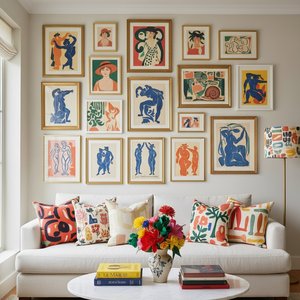
Henri Matisse 25 Mesterműve: Színek és Érzések Világa - AllPaintingsStore
Fedezze fel Henri Matisse 25 legikonikusabb művét! Ismerje meg a fauvizmus színeit, az expresszionizmus formáit és a modern művészet mesterének életművét. Vászonképek, nyomatok – inspiráció otthonába a AllPaintingsStore.com-on!

A 10 legnyugodtabb műalkotás: Klasszikus festmények otthoni harmóniáért
Fedezze fel a 10 legnyugodtabb műalkotást! Monet, Van Gogh és más híres festők remekművei inspirálnak. Klasszikus tájképek, absztrakt művészet – teremtse meg békés otthonát AllPaintingsStore.com minőségi reprodukcióival. Explore the full collection online!

A Nyugalom Művészete: 10 Klasszikus Kép a Béke Szellemében | AllPaintingsStore
Fedezze fel a nyugalom művészetét! 10 ikonikus festmény, Monet-tól Van Gogh-ig. Ismerje meg a mesterek történetét és technikáit, inspirálódjon belső dekorációjához. Museum minőségű kép másolatok a AllPaintingsStore.com-on!

