


 Megtekintés

 Küldés
 Megosztás
 Részletek
 Információs lap


 Letöltés
 Hasonló darabok
 X-ray felvétel
 Diavetítés
 Kérdések és válaszok

 Statisztika
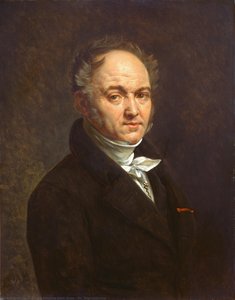
6th Lord Byron


 Összes részlet megjelenítése
Szerezzen be nyomtatásra kész fájlt, amely messze túlmutat a webes előnézeten. Minden általunk értékesített digitális kép az adatbázisunkban található nagy felbontású mesterfájlból származik – általában 5 000 és 15 000 pixel szélességű –, így magabiztosan nyomtathat nagy méretben, sokat vághat a képen, vagy reprodukálhatja a legfinomabb részleteket is.
Stúdiómból egyetlen fájl sem távozik feltartózkodás nélkül. Egy digitális szakértő az eredeti festménnyel összehasonlítja a színeket, és szükség esetén korrigálja azokat, majd professzionális retusználó eszközökkel javítja a tisztaságot és a részletgazdagságot — miközben mindig hű marad a művész vonalvezetéséhez és stílusához. Az eredmény egy olyan kép, amely úgy néz ki, mint egy festmény, és nem úgy, mint egy szűrőzött szkenn.
A végső munka befejezése előtt jóvá kell hagynia a képet: szakértőnk 72 órán belül elküldi azt e-mailben ellenőrzésre. Nem tetszett? Kérhet javításokat vagy korrekciókat, illetve visszatérítést kérhet, amennyiben a minőség nem felel meg az elvárásoknak.
Ez az a minőség, amelyre a kiadók, a design stúdiók, a galériák és a nyomdaték megbízhatnak.
Digitális kép
Töltsön le nagy felbontású fájlt személyes kiállításokhoz, nyomtatáshoz és kreatív projektekhez. ( Galéria nyomat vásárlása Olajfestmény vásárlása
)
Minden digitális kép rendeléséhez tartozó extrák
Szakértői digitális kézbesítés, garantáltan
Amikor a AllPaintingsStore.com szolgáltatást választja, nem csupán egy képet kap – professzionálisan felmagasított digitális műalkotást kap, amely precizitással készült, és amelyet megelégsedési gwarancia tesz biztoslássá. Az alábbiakban automatikusan minden benne 】

Gyors e-mail teslimítés
A nagy felbontású digitális képmásolatát a megrendelést követő 72 órán belül e-mailben elküldjük Önnek – azonnal használható formátumban.

MI-alapú digitális fájljavítás
Műve professzionális módon kerül optimalizálásra fejlett mesterséges intelligencia eszközök és manuális szerkesztés segítségével, biztosítva a maximális részletességet, tisztaságot és színpontosságot.

Örök életű ingyenes újradelivery
Véletlenül törölted vagy elvesztetted a fájlodat? Ne aggódj – bármikor ingyen újra megküldjük neked.

Nincs importköltség – soha
Élvezze műalkotásait azonnal, vám, illeték vagy szállítási költség nélkül – a digitális letöltések mindig adamentesek.

Színpontosság garantálása
Professzionális eszközök és színkezelés segítségével garantáljuk, hogy digitális képe a lehető legpontosabban tükrözze az eredeti színeket.

100 napos elégedettségi garancia
Amennyiben nem elégedett a digitális képkel, 100 napon belül elvégezzük a módosítást vagy visszatérítjük a 100% összeget – kérdés nélkül.

100% Pénzvisszatérítési garancia
Nem tetszett a vásárlás? 100 napon belül teljes visszatérítést garantálunk a digitális fájl megvételétől számítva – kérdés nélkül.

Tömegrendelési kedvezmények
Vásároljon 3 képet, spóroljon 10%-et - Vásároljon 5-öt, spóroljon 15%-et - Vásároljon 10+ képet, spóroljon 20%-at. Kiváló kreatív projektekhez, galériákhoz és ügynökségekhez.
The Portrait of the 6th Lord Byron
In this portrait, titled 6th Lord Byron, the English painter Thomas Phillips captures the likeness of George Gordon Byron, 6th Baron Byron. The work presents a formal study of the man, focusing on his upper body and his steady, serious gaze. Phillips, who was born in Dudley, United Kingdom, in 1770, brings a meticulous attention to the subject's features and the textures of his attire. The sitter is positioned slightly off-center, looking toward his left, which lends a sense of quiet introspection to the composition.
The artist, who passed away in London on 20 April 1845, utilizes a dark, receding background to ensure the viewer's attention remains fixed upon the subject. This choice of lighting creates a chiaroscuro effect, highlighting the contours of the face and the white of the shirt against the darker tones of the coat. There is a palpable sense of dignity in the subject's expression, a quality Phillips often sought when portraying the prominent figures of his era. The painting remains a significant example of the artist's ability to render both physical presence and character through oil on canvas.
Composition and Visual Elements
The composition focuses on the subject's upper body, with the figure cropped just below the waist. He is positioned slightly off-center, gazing toward his left with a serious expression that suggests a sense of dignity and status. This deliberate placement avoids a static, frontal view, lending a quiet gravity to his presence. The dark background recedes into obscurity, which serves to emphasize the figure and create a palpable sense of depth within the frame.
Lighting is used with precision, concentrated primarily on the man's face and upper body. This creates a chiaroscuro effect, where strong contrasts between light and shadow define his features and the folds of his attire. The interplay of light and dark provides a sculptural quality to the portrait, pulling the viewer's attention toward the sitter's contemplative gaze and the subtle textures of his clothing.
Technique and Artistic Style
Executed in oil on canvas, this portrait adheres closely to the formal traditions of the late 18th and early 19th centuries. The artist employs a meticulous realism, focusing on the precise rendering of the subject's features and the specific textures of his attire. Through a disciplined application of paint, the work achieves a smooth finish where brushstrokes remain largely invisible to the eye. This controlled approach allows the viewer to focus entirely on the character and presence of the sitter rather than the hand of the painter.
The technical proficiency is most evident in the handling of light and material. There is a sophisticated contrast between the surfaces depicted; the artist has successfully captured the subtle sheen of the white shirt against the matte quality of the dark coat. This interplay of light and shadow, achieved through careful blending and the layering of paint, provides the figure with a tangible, three-dimensional presence. The result is a portrait that prioritizes a quiet, dignified accuracy over dramatic flourish.
Related Works by Thomas Phillips
The artist's engagement with the Romantic era is perhaps most visible through his various depictions of the poet. In 1813, he produced Lord Byron in Albanian Dress, a work that captures the subject in traditional costume. This particular theme was revisited in a 1835 version of Lord Byron in Albanian Dress, which is currently held in the National Portrait Gallery, London. He also completed a Portrait of Lord Byron in 1814, offering a different perspective on the same figure.
Beyond his portraits of literary figures, Phillips demonstrated a keen ability to render the likenesses of significant intellectuals and professionals. His 1807 portrait of William Blake remains a notable example of his skill. He continued this practice into the following decades, producing a portrait of Sir Francis Chantrey in 1818 and a work featuring George Crabbe in 1819.
Kérdések és válaszok
Mely paletta és domináns szín határozza meg a "6th Lord Byron" alkotást?
A "6th Lord Byron" alkotást egy Earthy színekből álló paletta határozza meg, melyet Black (#060201) dominál.
Milyen viszonyban áll egymáshoz a "6th Lord Byron" színei?
A „6th Lord Byron”, Phillips Thomas alkotása színei Strong Color Unity harmóniát mutatnak be. A harmónia azt írja le, hogyan kapcsolódnak egymáshoz a színek.
Milyen technikával és milyen stílusban készült a "6th Lord Byron"?
A "6th Lord Byron" alkotásban a Oil On Canvas technika találkozik a Romanticism irányzattal.
Hasonló műalkotások




A művész életrajza
Early Life and Artistic Foundations
Thomas Phillips, born in Dudley, Worcestershire, in 1770, emerged from relatively modest beginnings to become a prominent figure in the British art scene of the late 18th and early 19th centuries. His initial artistic training wasn’t within the traditional confines of painting, but rather in the craft of glass-painting under Francis Eginton in Birmingham. This foundational experience instilled in him a meticulous attention to detail and an understanding of color and light that would later characterize his portraiture. The intricate patterns and vibrant hues he learned while working with stained glass undoubtedly shaped his visual sensibilities and his ability to render subtle tonal variations – skills that proved invaluable when capturing the nuances of human expression. A pivotal moment arrived in 1790 when Phillips journeyed to London, armed with an introduction to Benjamin West, a leading artist of the time and a key figure in the Royal Academy. West’s guidance opened doors for Phillips, securing him employment on the painted-glass windows of St George's Chapel at Windsor Castle – a project that allowed him to hone his skills within a grand architectural context. The scale of this undertaking demanded precision and an understanding of how light interacted with color across vast surfaces, further refining his technical abilities. This early exposure to large-scale decorative work undoubtedly shaped his compositional sensibilities and appreciation for narrative storytelling in art. In 1791, Phillips formally enrolled as a student at the Royal Academy, marking the beginning of his formal artistic education and his integration into the established art world.A Rising Portraitist: Style and Subject Matter
Phillips quickly found his niche in portraiture, though not without navigating a competitive landscape already populated by renowned artists like Thomas Lawrence and John Hoppner. Initially, his sitters were largely unknown individuals – tradesmen, clergymen, and members of the gentry who sought to immortalize their likenesses on canvas. However, through dedication and skill, he steadily ascended the social ladder, attracting increasingly prominent figures to his studio. His style was characterized by a meticulous realism, reflecting both the influence of his early training in glass-painting and the prevailing artistic tastes of the era. He possessed an ability to capture not just physical likeness, but also something of the sitter’s character and intellect – a subtle suggestion of their personality that went beyond mere representation. This talent proved particularly valuable when portraying the “men of genius” – scientists, writers, poets, and explorers – who became a recurring theme in his work. He wasn't merely replicating appearances; he was attempting to distill the essence of his subjects onto the canvas, conveying their intellect, ambition, and perhaps even their inner turmoil. His portraits were often imbued with a quiet dignity and an air of contemplative seriousness, reflecting the intellectual currents of the Romantic era.Royal Patronage and Academic Recognition
The year 1804 marked a significant turning point in Phillips’ career with his election as an associate of the Royal Academy, alongside William Owen. This recognition solidified his position within the artistic establishment and signaled a shift towards greater public acclaim. Shortly thereafter, he relocated to 8 George Street, Hanover Square, a prestigious address that would remain his home and studio for the next four decades – a location synonymous with success and refinement. His clientele continued to expand, encompassing members of the royal family, including Prince Frederick (later King William IV), as well as prominent figures from the world of politics, literature, and science. He painted portraits of the Prince of Wales (later George IV), the Marchioness of Stafford, and Lord Thurlow, among others – each portrait a testament to his skill and his ability to capture the essence of his subjects. A particularly celebrated portrait from this period is that of William Blake, now housed in the National Portrait Gallery – a work admired for its sensitive depiction of the poet’s intense gaze and visionary spirit. The painting captures not just Blake's physical appearance but also something of his restless intellect and spiritual intensity. In 1808, Phillips achieved full academician status, presenting his diploma work *Venus and Adonis*, considered one of his most imaginative compositions, demonstrating a departure from purely portraiture into more ambitious narrative painting. The mythological subject matter allowed him to explore themes of beauty, desire, and the power of nature – subjects that resonated deeply with the artistic sensibilities of the time.Later Years: Professorship and Legacy
Phillips’s contributions to the art world extended beyond his own paintings. In 1825, he was appointed Professor of Painting at the Royal Academy, succeeding Henry Fuseli – a position he held until 1832. This role allowed him to share his knowledge and expertise with aspiring artists, shaping the next generation of British painters. He published *Lectures on the History and Principles of Painting* in 1833, offering insights into his artistic philosophy and pedagogical approach. His lectures were highly regarded for their clarity and erudition, reflecting a deep understanding of art history and technique. Despite a slight decline in public acclaim during his later years, Phillips remained a respected figure within the art community until his death in 1845. His legacy lies not only in the numerous portraits he created – capturing the likenesses of many notable figures of his time – but also in his dedication to artistic education and his contribution to the development of British portraiture. He left behind a body of work that reflects both the technical skill and the intellectual curiosity of an artist deeply engaged with the cultural landscape of his era. His attention to detail, combined with a sensitivity to character, ensures his place as a significant figure in 19th-century British art.
Phillips Thomas
1770 - 1845 , Egyesült Királyság
Rövid tények
- Artistic Movement Or Style: Romantika
- Artists Or Movements Influenced By This Artist: ['William Owen']
- Artists Who Influenced This Artist: ['Benjamin West']
- Date Of Birth: 1770. okt. 18.
- Date Of Death: 1845. ápr. 20.
- Full Name: Thomas Phillips
- Nationality: Angol
- Notable Artworks:
- Venus és Adonis
- Byron portréja
- Place Of Birth: Dudley, Anglia