


 Előnézet
 Megosztás
 Megosztás
 Részletek
 Útmutató

 Letöltés
 Hasonló darabok
 X-ray felvétel
 Diavetítés
 Statisztika
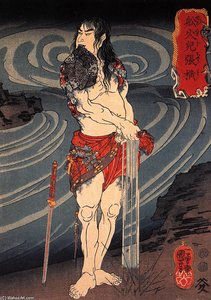
Fight Between Yoshitsune & Benkei on Goto Bridge
 Acrylic On Canvas
- WallArt
- Ukiyo-e
 19th Century
 36.0 x 25.0 cm
 Hammer Museum
 Tovább olvasom
Kézzel készített olajfestmény reprodukció
Kézzel festett olajvastú vászon, az Ön által választott méretben és keretben, művészeink készítik meglévőre. ( Váltás nyomtatványra Áttérés digitális képre)




P118B $10

P118H $10

P118W $10

P438Z $10

P508JH $12

P508YH $12

P805H $10

P805Z $10

P919BZ $10

P919G $10

P919XJ $10

P959ZH $10

P968JZ $12

W106C $8

W218G $10

W218JH $8

W218Y $10

W307PJ $10

W316G $10

W316PJ $8

W316Y $10

W398PJ $8

W4111J $10

W500HY $15

W500JH $15

W692G $12

W849H $8

W940BG $15

W953PJ $8




Válasszon előre meghatározott méreteink közül, amelyek megfelelnek a műalkotás eredeti arányainak.

Ön megadhat saját méreteket egy adott kerethez vagy térhez igazításhoz. Ha a kiválasztott méret nem egyezik az eredeti kép arányával, akkor a műalkotást levágjuk, vagy további kézzel festett elemekkel meghosszabbítjuk a festményt. A gyártás megkezdése előtt küldünk Önnek egy digitális előnézetet jóváhagyásra.
Kérjük, vegye figyelembe, hogy a képernyőn megjelenő előnézet nem tükrözi a tényleges vágást vagy kiterjesztést. Csak az előnézet fog pontosan mutatni a végső kompozíciót.
Bár egyedi méretek állnak rendelkezésre, javasoljuk, hogy válasszon egy méretet az előre meghatározott listából az eredeti arányok megőrzése érdekében.
A rendelést követően a AllPaintingsStore.com csapata e-mailt küld az ügyfélnek az instrukciókért, és biztosít egy előnézeti képet (mockup).
Világszerte elérhető szállítás () 3-4 hét alatt a szokásos 5 hét helyett. (21 szeptember). A minőség nem kérdőjelezhető.

Ingyenes globális expressz szállítás

Prémium minőségű len vászon

Teljes körű szállítási biztosítás

Vámvisszatérítési Garancia

Tökéletes színarányosság garancia

100 napos visszaküldési garancia (csak gyártási hibás termékek esetén)

100% pénzvisszatérítési garancia

Több darab vásárlásakor kedvezmény
 Az üvegkeretes opció csak 110 cm alatti méretben érhető el

Fight Between Yoshitsune & Benkei on Goto Bridge
Reprodukciós technika
Reprodukció méretei
-


Összesített ár
$ 258
A Clash of Ideals: Unveiling Utagawa Kuniyoshi's Epic Drama
The world of 19th-century Japan, steeped in tradition and burgeoning with a vibrant popular culture, produced an extraordinary array of artistic talent. Among these luminaries stands Utagawa Kuniyoshi (1798 – 1861), a master of *ukiyo-e*, the “pictures of the floating world,” whose works continue to resonate with their dramatic intensity and evocative beauty. Kuniyoshi’s “Fight Between Yoshitsune & Benkei on Goto Bridge” is not merely a depiction of a legendary battle; it's a carefully constructed meditation on honor, duty, and the clash between opposing philosophies – a cornerstone of his artistic legacy.
The scene itself unfolds with arresting immediacy. A lone figure, identified as Yoshitsune, the loyal general of the Minamoto clan, stands poised to engage in combat with Benkei, a giant warrior monk renowned for his unwavering devotion and immense strength. The setting is the Goto Bridge, a strategically vital structure during the Genpei War (1180-1185), lending an air of historical weight to the confrontation. The composition is dynamic, propelled forward by the diagonal thrust of Yoshitsune’s stance and the looming presence of Benkei. Kuniyoshi masterfully utilizes perspective – a technique perfected in *ukiyo-e* – to draw the viewer into this pivotal moment, creating a sense of palpable tension.
The Brushstrokes of a Master: Technique and Style
Kuniyoshi’s style is immediately recognizable. He was a prodigious colorist, employing a rich palette of blues, reds, and greens to imbue his scenes with an almost luminous quality. The use of Prussian blue, imported from Europe during this period, adds a distinctive depth and vibrancy rarely seen in earlier *ukiyo-e*. His brushwork is characterized by its energetic dynamism – short, decisive strokes that capture movement and texture with remarkable precision. Notice the meticulous detail applied to Yoshitsune’s armor and Benkei's massive form, contrasted against the softer rendering of the surrounding landscape. The artist skillfully utilizes *urahashi* (broken ink) techniques, creating subtle gradations of tone and adding a sense of atmospheric depth.
The composition also reflects Kuniyoshi’s deep understanding of theatrical design. He frequently drew inspiration from Kabuki theatre, incorporating elements of dramatic staging – such as the sweeping bridge and the dramatic lighting – to heighten the emotional impact of his scenes. This influence is particularly evident in the positioning of the birds circling overhead; they are not merely decorative but contribute to the overall sense of drama and foreboding.
Symbolism and Narrative Depth
Beyond a simple depiction of a battle, “Fight Between Yoshitsune & Benkei on Goto Bridge” is laden with symbolic meaning. Yoshitsune represents loyalty, ambition, and military prowess – qualities often associated with the warrior class. Benkei embodies unwavering faith, humility, and the power of monastic discipline. Their conflict isn’t simply physical; it's a representation of the broader tensions between Confucian ideals of loyalty to authority and Buddhist values of compassion and detachment. The bridge itself symbolizes a critical juncture in history, a place where destinies collide.
The inclusion of birds – specifically, a flock circling above – adds another layer of interpretation. Birds are often associated with messengers or omens in Japanese folklore, suggesting that the outcome of this confrontation holds significant consequences for the future. Furthermore, the moon, partially obscured by clouds, hints at uncertainty and impending change.
A Legacy Enduring: Kuniyoshi’s Place in Art History
Utagawa Kuniyoshi's “Fight Between Yoshitsune & Benkei on Goto Bridge” stands as a testament to his artistic genius. He was a pivotal figure in the transition of *ukiyo-e* from its earlier, more decorative phases to a period of greater narrative complexity and emotional depth. His works continue to be admired for their dramatic intensity, masterful technique, and profound symbolic resonance. Reproductions of this powerful image offer a window into the rich cultural landscape of Edo Japan, inviting viewers to contemplate themes of honor, duty, and the enduring struggle between opposing forces – a timeless drama rendered with breathtaking skill and artistry.
Hasonló műalkotások




A művész életrajza
A Life Immersed in the Floating World
Utagawa Kuniyoshi, born Yoshisaburō on January 1, 1798, in Edo (modern-day Tokyo), stands as a towering figure at the close of the *ukiyo-e* tradition – the “pictures of the floating world” that so vividly captured Japanese life during the Edo period. His journey began not amidst artistic circles, but within the practical realm of his father’s silk-dyeing business. This early exposure to color and pattern would subtly inform his later work, imbuing it with a distinctive vibrancy. Even as a young boy, however, Kuniyoshi was captivated by the dramatic world of *ukiyo-e*, particularly the heroic imagery of warriors and artisans that populated popular prints. These formative impressions ignited within him a passion that would define his life’s pursuit. He entered the studio of Utagawa Toyokuni I in 1811, adopting the name Kuniyoshi and embarking on a rigorous apprenticeship that honed his skills and introduced him to the conventions of the Utagawa school.From Humble Beginnings to Masterful Innovation
Kuniyoshi’s early career was marked by a period of relative obscurity. While proficient in the established styles, he struggled to find his unique voice amidst the crowded landscape of Edo printmaking. His initial works largely mirrored those of his teacher, offering little that distinguished him from his contemporaries. However, this period of exploration proved crucial. He experimented with various genres and techniques, gradually developing a distinctive approach characterized by dynamic compositions, bold colors, and an increasingly sophisticated understanding of narrative storytelling. The breakthrough came in 1827 with the release of *The One Hundred and Eight Heroes of the Popular Suikoden*, a monumental series based on the Chinese novel *Shui Hu Zhuan*. This work catapulted Kuniyoshi to fame, establishing him as a master of *musha-e* – warrior prints. The series wasn’t merely an illustration of heroic tales; it was a showcase for Kuniyoshi's burgeoning talent for dramatic composition and characterization. He didn’t simply depict warriors; he brought them to life with compelling emotion and intricate detail, imbuing each figure with a distinct personality and presence. The sheer scale of the undertaking – over 100 figures rendered in vibrant color – demonstrated Kuniyoshi's growing mastery of the *ukiyo-e* technique and his ability to command attention.A Synthesis of Tradition and Western Influence
What truly sets Kuniyoshi apart is his willingness to embrace innovation while remaining deeply rooted in Japanese artistic traditions. As the Edo period drew to a close, Japan experienced increasing contact with the West, and Kuniyoshi was among the first *ukiyo-e* artists to incorporate elements of Western perspective and shading into his work. This wasn’t simply imitation; he skillfully integrated these techniques to enhance depth, realism, and dramatic impact. His landscapes, in particular, demonstrate a masterful command of atmospheric effects and spatial relationships, often evoking a sense of grandeur and awe. He didn't abandon the established conventions of *ukiyo-e*; rather, he subtly layered Western influences onto them, creating a unique visual language that was both familiar and strikingly original. Beyond technique, Kuniyoshi expanded the subject matter of *ukiyo-e*. While traditional themes like beautiful women and Kabuki actors remained popular, he ventured into new territory, depicting historical scenes, mythological creatures, and even satirical commentaries on contemporary society. His triptych *In Minamoto’s Residence the Earth Spider Appears as a Monster* (1843) is a prime example of this daring approach, cleverly disguising political criticism within a fantastical narrative – a testament to his artistic versatility and willingness to engage with complex social issues.The Suikoden Series and Beyond
The *One Hundred and Eight Heroes of the Popular Suikoden* remains Kuniyoshi’s most celebrated achievement, but it was only the beginning of his prolific career. He continued to produce a vast array of prints across diverse genres, including portraits of Kabuki actors (a particularly successful area for him), landscapes, scenes from folklore and mythology, and depictions of everyday life. His work during this period is characterized by a dynamic energy and a masterful use of color – bold reds, vibrant greens, and deep blues create a visually arresting effect. He also developed a distinctive style of portraying animals, often imbuing them with human-like qualities and emotions. Kuniyoshi’s ability to capture the essence of his subjects, whether they were legendary heroes or humble villagers, cemented his reputation as one of Japan's greatest artists. He was a master of capturing movement and emotion, evident in his depictions of warriors engaged in battle, actors performing on stage, and animals in their natural habitats.Legacy and Historical Significance
Kuniyoshi’s influence on subsequent generations of artists is undeniable. He left behind a vast and diverse body of work – estimated to number over 5,000 designs – that continues to inspire awe and admiration today. His innovative blending of traditional Japanese aesthetics with Western techniques paved the way for new artistic possibilities, while his willingness to challenge conventions broadened the scope of *ukiyo-e*. He trained numerous students, including Yoshitoshi, who would carry on his legacy into the Meiji period. Kuniyoshi’s work offers a valuable glimpse into the social and cultural landscape of Edo Japan – a time of rapid change, increasing Western influence, and a vibrant artistic scene. His prints are not merely beautiful images; they are windows into a fascinating era, testaments to the power of artistic innovation, and celebrations of the enduring spirit of Japan. He remains a pivotal figure in the history of Japanese art, whose work continues to resonate with audiences around the world. He passed away on April 14, 1861, leaving behind a legacy that firmly cemented his place as one of the last great masters of *ukiyo-e*.
Kuniyoshi Utagawa
1797 - 1861 , Japán
Gyors információk
- Artistic Movement Or Style: Ukiyo-e
- Artists Or Movements Influenced By This Artist: ['Ozawa Tsuyoshi']
- Artists Who Influenced This Artist: ['Toyokuni Utagawa']
- Date Of Birth: 1798. jan 1.
- Date Of Death: 1861. ápr 14.
- Full Name: Utagawa Kuniyoshi
- Nationality: Japán
- Notable Artworks:
- 108 Hős...
- Sárkányok...
- Taira no Tomomori
- Place Of Birth: Tokió, Japán
Kapcsolódó cikkek

Floating World: The Captivating Art and Legacy of Japanese Ukiyo-e
Explore the profound beauty of Japanese Ukiyo-e. Discover the history, masters like Hokusai, and the enduring legacy of the 'Floating World' through an expert art-historical lens.

Ukiyo-e: Exploring Japan's Floating World & Enduring Artistic Legacy
Explore the captivating world of Ukiyo-e – Japan's iconic woodblock prints! Discover masters like Hokusai & Hiroshige, learn about Edo period culture, and find expert art collecting guidance at AllPaintingsStore.

Floating World Wonders: A Definitive Guide to the Captivating Beauty of Ukiyo-e Art
Embark on a visual journey through the ephemeral beauty of Ukiyo-e. Discover the masters of the floating world, from dynamic warriors to Kabuki legends, and explore the profound cultural legacy of Japanese woodblock printing in this expert guide for art enthusiasts.

Katsushika Hokusai 25 Mesterműve: A Japán Art Élmény, Otthonodban – AllPaintingsStore
Fedezze fel Katsushika Hokusai 25 legikonikusabb műalkotását! Merüljön el a japán ukiyo-e világában, ismerje meg a 'Nagy Hullám' történetét és más remekműveket. Museum minőségű reprodukciók otthonába – AllPaintingsStore.com.

Utagawa Kuniyoshi: A Master of Japanese Ukiyo-e – Narrative Innovation & the Fusion of Tradition with Popular Culture
Explore the captivating world of Utagawa Kuniyoshi, a master of Japanese ukiyo-e woodblock prints. Discover his innovative warrior scenes, vibrant landscapes & lasting legacy in 19th-century art history.


