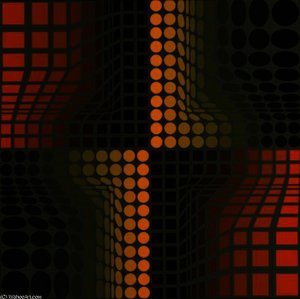
Acrylic On Canvas.

§ 1Catalogue data


Ez a műalkotás szerzői jogi védelem alatt áll
Az ezen az oldalon megjelenített műalkotások szerzői jogi védelem alatt állnak, ami azt jelenti, hogy törvényileg nem készíthetünk és nem adhatunk el belőlük pontos másolatokat. Ez a védelem olyan nemzetközi megállapodások alapján érvényesül, mint például a Berni Egyezmény és a nemzeti jogszabályok által, beleértve azokat is, amelyeket meghatározott Az USA szerzői jogi törvénye – 17. cím.
Mint tiszteletes és törvényes alternatívát, olyan egyedi, kézzel festett alkotásokat kínálunk, amelyek az eredetiből merítnek inspirációt. Tapasztalt és professzionális művészeink alaposan tanulmányozzák az eredeti stílusát, hangulatát és művészeti esszenciáját, hogy egy olyan új, egyedi alkotást hozzunk létre, amely ugyanazt az érzést kelti – miközben önálló, eredeti alkotásként létezik.
Ez a módszer teljes mértékben megfelel a szerzői jogi szabályozásnak, mivel nem tartalmazza a védett műalkotás másolását vagy duplikálását. Ehelyett ez egy kreatív újinterpretáció – egy új festmény, amely az eredetivel való összefüggései miatt hatással van rá, de nem az az.
 További információk
§ 2Abstract
A gyűjtemény leírása
Experience Victor Vasarely’s iconic Op Art abstract composition featuring vibrant geometric shapes in red, green, blue, and yellow – a captivating exploration of perception and form from 1906. Discover this stunning artwork and bring its dynamic energy into your space.
A művész életrajza
Fedezd fel Victor Vasarely (1906-1997) világát! Op art, kinetikus művészet, geometriai absztrakt képei és a modern művészet meghatározó alakja. Magyar művészettörténet egyik legkiemelkedőbb képviselője.
§ 3Commentary
A Dance of Perception: Exploring Victor Vasarely’s ‘Abstract Composition’
Victor Vasarely's 'Abstract Composition' is more than just a painting; it’s an invitation to question the very nature of visual reality. Created by one of the foremost figures in Op Art, this vibrant work encapsulates the movement’s core philosophy – to manipulate perception through carefully constructed geometric forms and intense color contrasts. The image presents a meticulously crafted three-dimensional cube, dissected into four distinct sections, each rendered with a bold palette of red, green, blue, and yellow. The interplay between solid blocks of color and intricate patterned surfaces creates an illusion of movement and depth, drawing the viewer’s eye across the canvas in a captivating dance.
The Genesis of Op Art: Vasarely's Bauhaus Roots
Born in 1906 in Pécs, Croatia – then part of Austria-Hungary – Károly Vaszary, as he was initially known, embarked on an artistic journey profoundly shaped by the intellectual currents of his time. His early studies in medicine were abruptly abandoned in favor of a pursuit far more compelling: visual expression. This pivotal shift occurred during his enrollment at the Podolini-Volkmann Academy and, crucially, within the influential workshop of Sándor Bortnyik, where he was immersed in the principles of functional design and geometric abstraction championed by the Bauhaus movement. The Bauhaus’s emphasis on reducing form to its essential elements – lines, planes, and colors – directly informed Vasarely's groundbreaking approach, laying the foundation for his signature Op Art style. This work exemplifies that influence, demonstrating a deliberate attempt to trick the eye through controlled optical illusions.
Technique and Illusion: Mastering the Principles of Op Art
Vasarely’s technique in ‘Abstract Composition’ is characterized by its precision and meticulous attention to detail. Each square is rendered with an almost photographic accuracy, yet the combination of solid color and patterned surfaces generates a powerful illusion of depth and movement. The artist skillfully employs contrasting colors – the saturated red against the cool green, the vibrant blue juxtaposed with the warm yellow – to heighten this effect. This deliberate manipulation of visual stimuli creates a dynamic experience for the viewer, forcing them to actively engage with the artwork and question their own perception. The use of flat planes and sharp edges, hallmarks of Op Art, further contributes to the illusion of three-dimensionality, creating a mesmerizing visual paradox.
Symbolism and Emotional Impact: A Modern Masterpiece
'Abstract Composition' transcends mere aesthetic appeal; it speaks to fundamental questions about how we experience the world. The geometric cube, a symbol of stability and structure, is deliberately fragmented, suggesting a disruption of traditional notions of form and space. This fragmentation mirrors the anxieties and uncertainties of the modern era, reflecting a desire to understand and control the increasingly complex realities of the 20th century. The overall effect is one of intense visual stimulation – captivating, slightly unsettling, and ultimately profoundly rewarding. It’s a testament to Vasarely's genius that he could create an artwork that simultaneously challenges and delights the viewer, inviting contemplation on the relationship between art, perception, and reality.
Kérdések és válaszok
Hová sorolható a Vasarely pályájának mely szakaszába a "Abstract composition"?
A "Abstract composition" Vasarely alkotói pályájának Mature Op Art szakaszát képviseli.
Milyen hangulatot áraszt a "Abstract composition"?
A "Abstract composition" Elegant hangulatú.
Van-e útmutató a(z) „Abstract composition”, Vasarely alkotása alkotáshoz?
A „Abstract composition”, Vasarely alkotása alkotáshoz elérhető egy Útmutató oldal: ez egy kinyomtatható információs lap a műről, amelyet diákok számára és tantervhez készült használatra terveztek.


 Váltás nyomtatványra


 A bármely oldalsó méretét túlszálaló 105 cm (kb. 41 hüvelyk) meghaladó műalkotások vagy reprodukciók esetében a keret összeszerelhető készletként, szétszerelve kerül szállításra. Ez a módszer biztosítja a biztonságos szállítást, és megakadályozza a szállítás során fellépő sérüléseket.