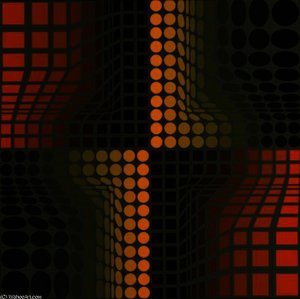
Acrylic On Canvas.

§ 1Catalogue data


Ez a műalkotás szerzői jogi védelem alatt áll
Az ezen az oldalon megjelenített műalkotások szerzői jogi védelem alatt állnak, ami azt jelenti, hogy törvényileg nem készíthetünk és nem adhatunk el belőlük pontos másolatokat. Ez a védelem olyan nemzetközi megállapodások alapján érvényesül, mint például a Berni Egyezmény és a nemzeti jogszabályok által, beleértve azokat is, amelyeket meghatározott Az USA szerzői jogi törvénye – 17. cím.
Mint tiszteletes és törvényes alternatívát, olyan egyedi, kézzel festett alkotásokat kínálunk, amelyek az eredetiből merítnek inspirációt. Tapasztalt és professzionális művészeink alaposan tanulmányozzák az eredeti stílusát, hangulatát és művészeti esszenciáját, hogy egy olyan új, egyedi alkotást hozzunk létre, amely ugyanazt az érzést kelti – miközben önálló, eredeti alkotásként létezik.
Ez a módszer teljes mértékben megfelel a szerzői jogi szabályozásnak, mivel nem tartalmazza a védett műalkotás másolását vagy duplikálását. Ehelyett ez egy kreatív újinterpretáció – egy új festmény, amely az eredetivel való összefüggései miatt hatással van rá, de nem az az.
 További információk
§ 2Abstract
A gyűjtemény leírása
Explore Victor Vasarely’s iconic Composition 8, a mesmerizing Op Art masterpiece featuring dynamic geometric patterns and vibrant blue and white hues, perfect for adding a touch of modern abstraction to your space.
A művész életrajza
Fedezd fel Victor Vasarely (1906-1997) világát! Op art, kinetikus művészet, geometriai absztrakt képei és a modern művészet meghatározó alakja. Magyar művészettörténet egyik legkiemelkedőbb képviselője.
§ 3Commentary
A Dance of Perception: Exploring Victor Vasarely’s “Composition 8”
Victor Vasarely's "Composition 8" is more than just an abstract painting; it’s a meticulously crafted invitation to question the very nature of visual perception. Born in 1906 in Pécs, Croatia – then part of Austria-Hungary – Vasarely’s artistic trajectory was initially rooted in the scientific, beginning with studies in medicine before he decisively embraced the world of art in 1927. This shift wasn't a spontaneous decision but rather a deeply considered exploration, fueled by his time within the influential Műhely workshop, profoundly shaped by the principles of Bauhaus functional design and geometric abstraction. “Composition 8” embodies this legacy perfectly, representing a pivotal moment in Vasarely’s development as a leading figure in Op Art – a movement dedicated to stimulating optical illusions through precise arrangements of color and form.
- Subject & Composition: The artwork presents a captivating close-up view dominated by a central circular element, radiating outwards with a network of smaller circles. This deliberate arrangement isn’t haphazard; it's a carefully constructed visual puzzle designed to challenge the viewer’s eye and perception.
- Style & Technique: Vasarely’s signature style is unmistakably Op Art – characterized by its use of geometric shapes, vibrant color contrasts (primarily blue and white in this piece), and an emphasis on creating optical illusions. The painting's surface appears to be built up through meticulous layering of paint, a technique that enhances the three-dimensional effect and contributes to the artwork’s dynamic visual impact.
- Historical Context: Created during the mid-20th century, “Composition 8” reflects the broader artistic currents of its time. The rise of Op Art coincided with advancements in science and technology, particularly in the understanding of perception and optics. Vasarely’s work anticipated developments in kinetic art, exploring how visual stimuli could evoke a sense of movement and dynamism.
Decoding the Geometry: Symbolism and Meaning
While ostensibly abstract, “Composition 8” is rich with symbolic potential. The circles themselves are fundamental geometric shapes – representing wholeness, unity, and infinity. Their arrangement creates a visual tension, suggesting movement and instability while simultaneously conveying a sense of order and control. Vasarely intentionally disrupted traditional representational art, seeking to capture not the external world but rather the internal processes of perception itself. This approach aligns with the broader philosophical concerns of the time – questioning established norms and exploring new ways of understanding reality.
- Optical Illusions: The artwork’s primary effect is to create a dynamic visual experience, playing with the viewer's sense of depth and perspective. This manipulation of perception was central to Op Art’s goals – demonstrating how our eyes and brains actively construct reality.
- Kinetic Energy: Despite its static presentation, “Composition 8” evokes a feeling of movement and energy. The overlapping circles create an illusion of rotation or vibration, mirroring the principles of kinetic art which aimed to simulate motion through visual means.
A Legacy of Innovation – Bringing "Composition 8" into Your Space
"Composition 8" by Victor Vasarely is a testament to his pioneering work in Op Art and geometric abstraction. Its vibrant colors, intricate patterns, and dynamic composition make it a captivating addition to any art collection or interior design scheme. A hand-painted reproduction of this artwork offers an unparalleled opportunity to experience the full impact of Vasarely’s vision – bringing a touch of intellectual stimulation and visual excitement to your home or office.
Note: Due to the nature of reproductions, slight variations in color and detail may occur. Our hand-painted replicas are meticulously crafted to accurately represent the original artwork as closely as possible.Kérdések és válaszok
Melyik tér harmonizál a „Composition 8”, Vasarely alkotása színeivel?
A Neutrals színei miatt a "Composition 8" mű egy Living Room számára javasolt.
Mit ábrázol a "Composition 8"?
A "Composition 8" alkotás tárgyai: abstract art, geometric shapes, op art style, circular design, color field, victor vasarely, visual perception.
Milyen méretű "Composition 8" ajánlott egy Living Room-hoz?
A Living Room helyiségbe a "Composition 8" alkotáshoz egy Large méretű nyomtatást javasoljuk.


 Váltás nyomtatványra


 A bármely oldalsó méretét túlszálaló 105 cm (kb. 41 hüvelyk) meghaladó műalkotások vagy reprodukciók esetében a keret összeszerelhető készletként, szétszerelve kerül szállításra. Ez a módszer biztosítja a biztonságos szállítást, és megakadályozza a szállítás során fellépő sérüléseket.