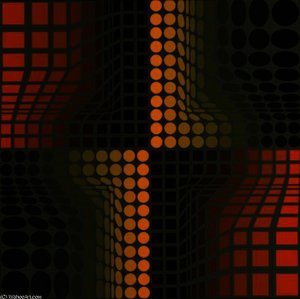
Acrylic On Canvas.

§ 1Katalógusadatok


Ez a műalkotás szerzői jogi védelem alatt áll
Az ezen az oldalon megjelenített műalkotások szerzői jogi védelem alatt állnak, ami azt jelenti, hogy törvényileg nem készíthetünk és nem adhatunk el belőlük pontos másolatokat. Ez a védelem olyan nemzetközi megállapodások alapján érvényesül, mint például a Berni Egyezmény és a nemzeti jogszabályok által, beleértve azokat is, amelyeket meghatározott Az USA szerzői jogi törvénye – 17. cím.
Mint tiszteletes és törvényes alternatívát, olyan egyedi, kézzel festett alkotásokat kínálunk, amelyek az eredetiből merítnek inspirációt. Tapasztalt és professzionális művészeink alaposan tanulmányozzák az eredeti stílusát, hangulatát és művészeti esszenciáját, hogy egy olyan új, egyedi alkotást hozzunk létre, amely ugyanazt az érzést kelti – miközben önálló, eredeti alkotásként létezik.
Ez a módszer teljes mértékben megfelel a szerzői jogi szabályozásnak, mivel nem tartalmazza a védett műalkotás másolását vagy duplikálását. Ehelyett ez egy kreatív újinterpretáció – egy új festmény, amely az eredetivel való összefüggései miatt hatással van rá, de nem az az.
 További információk
§ 2Absztrakt
A gyűjtemény leírása
Experience Victor Vasarely’s "Decreasing Squares," a mesmerizing Op Art painting featuring a shrinking blue square with black stripes creating an optical illusion – explore this iconic geometric artwork and bring it home.
A művész életrajza
Fedezd fel Victor Vasarely (1906-1997) világát! Op art, kinetikus művészet, geometriai absztrakt képei és a modern művészet meghatározó alakja. Magyar művészettörténet egyik legkiemelkedőbb képviselője.
§ 3Magyarázat
A Descent into Illusion: Exploring Victor Vasarely’s “Decreasing Squares”
Victor Vasarely's "Decreasing Squares" is more than just a painting; it’s an invitation to question the very nature of perception. This striking work, dominated by a bold blue square fractured with black stripes, immediately draws the viewer into a mesmerizing dance between order and chaos. The artwork’s core lies in its masterful execution of Op Art – Optical Art – a movement Vasarely helped pioneer that sought to stimulate visual responses through controlled patterns and geometric forms. The deliberate arrangement of the stripes isn't merely decorative; it’s a calculated manipulation designed to trick the eye, creating an illusion of diminishing size as the square recedes into the distance. This effect, reminiscent of a complex maze or a spiraling vortex, is profoundly engaging, demanding active participation from the observer.
The Genesis of Op Art: Vasarely’s Bauhaus Roots
- Historical Context: Born in 1906 in Pécs, Croatia (then part of Austria-Hungary), Vasarely's artistic trajectory was shaped by the intellectual ferment of the early 20th century. His initial studies in medicine – a surprising detour – ultimately fueled his desire to understand and represent visual phenomena with scientific precision.
- Bauhaus Influence: Crucially, Vasarely’s education at Sándor Bortnyik’s “Műhely” workshop, deeply influenced by the Bauhaus movement, provided him with the theoretical framework for his work. The Bauhaus emphasized functional design, geometric abstraction, and a systematic approach to art-making – principles that directly informed Vasarely's exploration of optical illusions.
- Kinetic Art Precursor: “Decreasing Squares” anticipates the rise of kinetic art, suggesting movement and dynamism through static forms. This foreshadowing of future artistic trends solidifies Vasarely’s position as a visionary innovator.
Decoding the Visual Language: Stripes, Illusion, and Geometry
The black stripes within “Decreasing Squares” are not randomly applied; they are meticulously arranged to exploit the human visual system's tendency to perceive movement and depth. This technique, central to Op Art, creates a powerful illusion of recession, making the square appear smaller as it moves away from the viewer. The spiral or maze-like pattern subtly guides the eye, adding another layer of complexity to the artwork’s impact. Vasarely’s deliberate use of contrasting colors – the cool blue against the stark black – further amplifies this effect, heightening the sense of visual tension and dynamism.
Symbolism and Emotional Resonance
"Decreasing Squares" transcends a simple geometric exercise; it speaks to fundamental questions about perception, reality, and our relationship with space. The artwork’s unsettling yet captivating effect evokes feelings of disorientation, fascination, and perhaps even a touch of anxiety – mirroring the inherent instability of visual experience. Vasarely's work invites contemplation on how we construct meaning from sensory input, highlighting the subjective nature of observation. This piece is a testament to his ability to transform mathematical principles into emotionally resonant art.
Kérdések és válaszok
Mennyire erős a kontraszt a(z) „Decreasing Squares”, Vasarely alkotása alkotásban?
A „Decreasing Squares”, Vasarely alkotása Serene kontrasztot mutat a világos és sötét részek között.
Melyik országból származik a Op Art irányzat Decreasing Squares című műve?
A Op Art korszak alkotása, a "Decreasing Squares", egy Kroatia-ban született művész munkája.
Van-e útmutató a(z) „Decreasing Squares”, Vasarely alkotása alkotáshoz?
A „Decreasing Squares”, Vasarely alkotása alkotáshoz elérhető egy Útmutató oldal: ez egy kinyomtatható információs lap a műről, amelyet diákok számára és tantervhez készült használatra terveztek.


 Váltás nyomtatványra


 A bármely oldalsó méretét túlszálaló 105 cm (kb. 41 hüvelyk) meghaladó műalkotások vagy reprodukciók esetében a keret összeszerelhető készletként, szétszerelve kerül szállításra. Ez a módszer biztosítja a biztonságos szállítást, és megakadályozza a szállítás során fellépő sérüléseket.