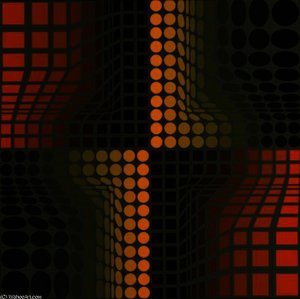
Acrylic On Canvas.

§ 1Katalógusadatok


Ez a műalkotás szerzői jogi védelem alatt áll
Az ezen az oldalon megjelenített műalkotások szerzői jogi védelem alatt állnak, ami azt jelenti, hogy törvényileg nem készíthetünk és nem adhatunk el belőlük pontos másolatokat. Ez a védelem olyan nemzetközi megállapodások alapján érvényesül, mint például a Berni Egyezmény és a nemzeti jogszabályok által, beleértve azokat is, amelyeket meghatározott Az USA szerzői jogi törvénye – 17. cím.
Mint tiszteletes és törvényes alternatívát, olyan egyedi, kézzel festett alkotásokat kínálunk, amelyek az eredetiből merítnek inspirációt. Tapasztalt és professzionális művészeink alaposan tanulmányozzák az eredeti stílusát, hangulatát és művészeti esszenciáját, hogy egy olyan új, egyedi alkotást hozzunk létre, amely ugyanazt az érzést kelti – miközben önálló, eredeti alkotásként létezik.
Ez a módszer teljes mértékben megfelel a szerzői jogi szabályozásnak, mivel nem tartalmazza a védett műalkotás másolását vagy duplikálását. Ehelyett ez egy kreatív újinterpretáció – egy új festmény, amely az eredetivel való összefüggései miatt hatással van rá, de nem az az.
 További információk
§ 2Absztrakt
A gyűjtemény leírása
Explore Victor Vasarely’s ‘Relat,’ a mesmerizing Op Art geometric abstraction featuring vibrant colors & dynamic patterns. Discover this iconic 20th-century artwork.
A művész életrajza
Fedezd fel Victor Vasarely (1906-1997) világát! Op art, kinetikus művészet, geometriai absztrakt képei és a modern művészet meghatározó alakja. Magyar művészettörténet egyik legkiemelkedőbb képviselője.
§ 3Magyarázat
Victor Vasarely’s “Relat”: A Symphony of Geometric Perception
The artwork "Relat," a meticulously rendered geometric abstraction by Victor Vasarely, offers a profound meditation on perception and the very nature of visual experience. Created in the mid-20th century, this piece exemplifies the core tenets of Op Art – Optical Art – a movement that sought to manipulate our senses through precisely controlled patterns and colors. Vasarely, born Károly Vaszary in 1906 in Pécs, Croatia, was a pivotal figure in this revolutionary artistic approach, developing a unique style rooted in the principles of functional design and influenced by the Bauhaus movement’s emphasis on geometric abstraction. “Relat” isn't simply a decorative piece; it’s an invitation to actively engage with your own visual system, challenging assumptions about space, depth, and color.
A Study in Controlled Illusion
At first glance, "Relat" presents a striking composition dominated by a large circular element divided into four distinct quadrants. Each quadrant explodes with a carefully orchestrated palette of blues, reds, purples, and blacks, punctuated by repeating patterns of small oval shapes. The artwork’s power lies in its deliberate construction – a grid-like structure overlays the entire canvas, creating an illusionistic depth that draws the eye inwards. This technique, characteristic of Op Art, leverages our inherent tendency to perceive movement and rhythm within structured visual fields. The hand-painted or digitally rendered precision ensures that every element contributes to this captivating effect, resulting in a dynamic interplay between order and apparent chaos.
Historical Context and Artistic Influences
Vasarely’s work emerged during a period of significant artistic experimentation following World War II. The post-war era saw a rejection of traditional representational art, with artists seeking new ways to express themselves through abstraction. Influenced by the Bauhaus school's focus on functional design and the exploration of optical phenomena, Vasarely developed his signature style – a systematic approach to creating geometric abstractions that aimed to stimulate visual perception. His work anticipated developments in kinetic art, exploring how viewers could actively participate in shaping their own experience of the artwork.
Symbolism and Emotional Resonance
"Relat" transcends mere aesthetic appeal; its inherent symmetry and precise geometric forms evoke a sense of order, control, and perhaps even detachment. The repetition of shapes and patterns can be interpreted as a reflection of the underlying mathematical structures that govern our universe – a subtle nod to the artist’s scientific approach to artmaking. The artwork's cool color palette contributes to its calming effect, while the dynamic interplay of colors and shapes generates a feeling of visual excitement. The deliberate manipulation of perspective creates an unsettling yet fascinating experience, prompting contemplation on the nature of reality itself.
Technique and Materials
This artwork is executed with remarkable technical skill, utilizing acrylic paint on canvas or paper. The smooth texture, achieved through meticulous hand-painting or digital rendering, enhances the illusionistic effects. The careful layering of patterns and converging lines further contribute to the depth and spatial complexity of the piece. A high-quality reproduction captures this level of detail, allowing you to appreciate the artistry and precision that went into creating this iconic Op Art masterpiece.
Kérdések és válaszok
„Relat”, Vasarely alkotása színei tel愈tek vagy fakók?
A „Relat”, Vasarely alkotása alkotás Balanced Soft telítettségű színekkel készült.
Erős fény-árnyék kontrasztot mutat-e a "Relat"?
A „Relat”, Vasarely alkotása Statement kontrasztot mutat a világos és sötét részek között.
Hogyan szerezhető be „Relat”, Vasarely alkotása digitális fájlja?
A "Relat" elérhető magas felbontású digitális kép letöltése formátumban, amelyet közvetlenül a Digitális alkotás oldalon vásárolhat meg.


 Váltás nyomtatványra


 A bármely oldalsó méretét túlszálaló 105 cm (kb. 41 hüvelyk) meghaladó műalkotások vagy reprodukciók esetében a keret összeszerelhető készletként, szétszerelve kerül szállításra. Ez a módszer biztosítja a biztonságos szállítást, és megakadályozza a szállítás során fellépő sérüléseket.