

Romantic Visionary
Pluto (William Blake)
Pluto is a work by William Blake (1757–1827). It belongs to the Romantic Visionary movement. It is made in Acrylic On Canvas.
- Acrylic On Canvas

 Megtekintés

 Nyomat megrendelése
 Küldés
 Megosztás
 Útmutató


 Letöltés
 Hasonló darabok
 X-ray felvétel
 Diavetítés
 Kérdések és válaszok

 Statisztika
Pluto: key details
- Title
- Pluto
- Artist
- William Blake (1757–1827)
- Artist born in
- London, Egyesült Királyság
- Medium
- Acrylic On Canvas
- Movement
- Romantic Visionary
- Period
- 19th Century
- Subject
- angels, mythical, blake, visionary, celestial, birds
About Pluto
William Blake’s ‘Pluto’: A Descent into Mythic Darkness
William Blake's “Pluto,” a captivating depiction of celestial figures amidst swirling clouds and a soaring bird, stands as a potent emblem of the Romantic artist’s unique vision. Painted during a period of intense spiritual and intellectual ferment in England – a nation wrestling with the dawn of industrialization while simultaneously yearning for transcendent experiences – this work embodies Blake's profound engagement with mythology, religion, and the human psyche. The painting immediately draws the viewer into a realm of symbolic weight, where classical archetypes intertwine with Blake’s own intensely personal iconography. It is a testament to his ability to translate visionary experience directly onto canvas, creating an image that simultaneously evokes awe and unease.
- Subject Matter: The central figures, resembling angels or mythical creatures, are positioned within a dramatic skyscape dominated by clouds and a single bird. This arrangement suggests a journey – perhaps one of spiritual ascent or descent – through realms beyond human comprehension.
- Style & Technique: Blake’s distinctive style is immediately recognizable in “Pluto.” The figures possess an almost unsettling beauty, rendered with meticulous detail yet imbued with a sense of otherworldly strangeness. His use of line and shadow creates a powerful contrast, emphasizing the dramatic atmosphere and contributing to the painting's overall sense of mystery.
Symbolism Rooted in Blake’s Cosmology
Blake’s work is saturated with symbolism, drawing heavily from classical mythology and his own complex theological beliefs. “Pluto,” the Roman god of the underworld, represents not just death but also transformation and regeneration – a crucial theme within Blake's oeuvre. The presence of angels or celestial beings suggests a connection to higher realms, while the bird could symbolize hope, freedom, or perhaps even the soul’s journey through the afterlife. The clouds themselves are often interpreted as representing the turbulent emotions and spiritual struggles that characterized Blake’s life and art. It is important to note that Blake rejected traditional religious dogma, instead developing his own unique system of beliefs centered around concepts like ‘Urizen’ and ‘Orc,’ which informed much of his artistic output.
- Pluto's Significance: As the ruler of the underworld, Pluto embodies both destruction and creation. His presence in the painting suggests a confrontation with mortality and the potential for spiritual rebirth.
- The Bird’s Role: The bird is often seen as a symbol of the soul, ascending towards divine light or carrying messages between worlds.
Historical Context & Blake's Revolutionary Vision
Created during the late 18th and early 19th centuries, “Pluto” reflects the broader intellectual currents of the Romantic era. Blake’s work challenged the rationalism of the Enlightenment, advocating instead for intuition, imagination, and a direct engagement with spiritual experience. His rejection of academic art conventions – favoring bold colors, expressive lines, and symbolic imagery – aligned him with the burgeoning artistic movements that sought to redefine beauty and challenge established norms. Blake's unique perspective, born from his own intense inner life, anticipated many of the themes explored by later Romantic artists and poets.
- Blake’s Influence: Blake’s work has had a lasting impact on subsequent generations of artists, writers, and thinkers, influencing movements such as Symbolism and Surrealism.
- Printmaking Innovation: Blake's mastery of printmaking – particularly his use of color aquatint – was revolutionary for its time, allowing him to achieve unprecedented levels of tonal subtlety and expressive power.
Emotional Impact & Artistic Reproduction
"Pluto" possesses a profound emotional resonance, inviting viewers to contemplate themes of mortality, spirituality, and the human condition. Its dramatic composition, evocative symbolism, and Blake’s masterful technique combine to create an image that is both unsettling and deeply moving. AllPaintingsStore.com offers meticulously crafted hand-painted reproductions of this iconic work, allowing you to experience its beauty and power in a tangible form. Each reproduction captures the essence of Blake's original vision, ensuring that this timeless masterpiece remains accessible for generations to come.
Pluto: image files
William Blake, Pluto. Public domain.
A digital expert checks the colors against the original painting and retouches the file, faithful to the artist's brushwork.
Buy the high-resolution imageQuestions about Pluto
Menny amountnyi fényt tűnik úgy vissza a "Pluto" színei?
A "Pluto" színei Bright Balance fényerőt mutatnak.
Milyen színintenzitással rendelkezik a „Pluto”, William Blake alkotása?
A „Pluto”, William Blake alkotása színei Balanced intenzitásúak.
Hol és milyen célra ajánlott a "Pluto"?
A „Pluto”, William Blake alkotása ajánlott Statement célokra, lehetőleg egy Living Room helyiségbe. A felhasználás módja és a tér kialakítása együtt segít eldönteni, hogy melyik reprodukció illik bele.
Hol javasolt a(z) "Pluto" Portrait formátumú alkotás kihelyezését?
A formátum (Portrait) és a javasolt helyiség (Living Room) a „Pluto”, William Blake alkotása alkotáshoz tartozó két elhelyezési adat.
Milyen hangulatot árasztana egy szobában egy „Pluto”, William Blake alkotása reprodukció?
A „Pluto”, William Blake alkotása Ethereal hangulatot áraszt, és egy Living Room helyiségbe ajánlott. A hangulat az az érzés, amelyet a mű közvetít a környezetében lévő tér felé.
Milyen színtelítettséggel rendelkezik „Pluto”, William Blake alkotása?
A "Pluto" színeinek telítettsége Muted.
Mely művészeti irányba és mely korszakba sorolható a „Pluto”, William Blake alkotása?
„Pluto”, William Blake alkotása alkotásművében a Romantic Visionary irányzat találkozik a Korai modern kor korszakkal.
Milyen kontraszt jellemzi a „Pluto”, William Blake alkotása alkotást?
A "Pluto" fény-sötét kontrasztja Serene értéket mutat. A kontraszt azt írja le, mennyire térnek el egymástól a világos és sötét részek.
Megtekinthető „Pluto”, William Blake alkotása a saját falamon vásárlás előtt?
A(z) "Pluto" kiterjesztett valóság (AR) előnézettel rendelkezik: a mű Kiterjesztett valóság előnézet oldalán kompatibilis eszközön megtekinthető saját környezetében.
About William Blake
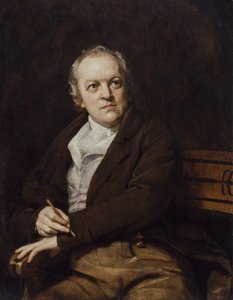
1757–1827, Egyesült Királyság
William Blake
Korai élet, család és képzés William Blake 1757. november 28-án született Londonban, Angliában. Egy családban nőtt fel, amely az édesapja cipészüzlete felett, a Broad Street 28. szám alatt téléskedett.
Complete collection Artist page Famous works by William Blake
Other works by William Blake
 A Napok Óregje1794
 Newton
 Az Égi Üdvözítő1794
 The Great Red Dragon and the Woman Clothed with Sun
Articles on Pluto
 25 Must-See Masterpieces at Tate Gallery London: A Journey Through Art HistoryExplore 25 iconic Tate Gallery masterpieces, from Turner to Hockney. Discover museum-quality art on AllPaintingsStore.com.
 The Pulse of Narrative: Drama and Emotion in the Romantic TraditionExplore the emotional depth of Romanticism through masters like Turner and Rubens. Discover the power of the sublime today.
 25 Masterpieces by William Blake: The Visionary Art of a Romantic LegendStep into the visionary world of William Blake. Explore 25 iconic Romantic masterpieces, from his mystical illuminated prints to legendary …