


 Előnézet
 Megosztás
 Megosztás
 Részletek

 Letöltés
 Hasonló alkotások
 X-ray felvétel
 Diavetítés
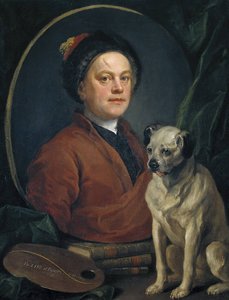
Benjamin Hoadly

 Tovább olvasom
Vásároljon egy nagy felbontású, javított digitális képet, amely sokkal jobb minőségű, mint az online előnézet.
Minden fájlt szakembereink a legmodernebb eszközök és precíz, kézi retusálás segítségével készítenek el aprólékosan. Gondoskodunk arról, hogy minden kép kivételes tisztasággal, pontos színhelyességgel és részletgazdag finomsággal rendelkezzen.
A végleges fájl 72 órán belül e-mailben megérkezik, professzionális, szerkesztői és nyomtatási környezetbe optimalizálva az azonnali használathoz. Ez ugyanaz a minőség, amelyben a legmeghatározóbb tervezőstúdiók, kiadók és galériák is megbízhatnak.
Digitális alkotás
Töltsön le nagy felbontású fájlt személyes kiállításokhoz, nyomtatáshoz és kreatív projektekhez. ( Váltás nyomtatványra Áttérés a kézzel festett másolatra)
Minden digitális kép rendeléséhez tartozó extrák
Szakértői digitális kézbesítés, garantáltan
Amikor a AllPaintingsStore.com weboldalt választja, nem csupán egy képet kap – professzionálisan felmagasított digitális műalkotást kap, amely precizitással készült, és amelyet megelégsedési gwarancia tesz biztoslássá. Az alábbiakban automatikusan minden benne 】

Gyors e-mail teslimítés
A nagy felbontású digitális képmásolatát a megrendelést követő 72 órán belül e-mailben elküldjük Önnek – azonnal használható formátumban.

MI-alapú digitális feldolgozású fájl
Műve professzionális módon kerül optimalizálásra fejlett mesterséges intelligencia eszközök és manuális szerkesztés segítségével, biztosítva a maximális részletességet, tisztaságot és színpontosságot.

Örök életű ingyenes újradelivery
Véletlenül törölted vagy elvesztetted a fájlodat? Ne aggódj – bármikor ingyenesen újra megküldjük neked.

Nincs importköltség – soha
Élvezze műalkotásait azonnal, vám, illeték vagy szállítási költség nélkül – a digitális letöltések mindig adamentesek.

Színpontosság Garancia
Professzionális eszközök és színkezelés segítségével garantáljuk, hogy digitális képe a lehető legpontosabban tükrözze az eredeti színeket.

60 napos elégedettségi garancia
Ha nemມີ elégedett a digitális képpel, 60 napon belül átmunkáljuk azt, vagy 100% visszatérítjük az amountot – kérdés nélkül.

100% Pénzvisszatérítési garancia
Nem érheted el a teljes elégedettséget? 60 napon belül teljes visszatérítést kapsz a digitális fájlod megérkezése után – kérdés बिना.

Tömegrendelési kedvezmények
Vásároljon 3 képet, spóroljon 10%-et - Vásároljon 5-öt, spóroljon 15%-et - Vásároljon 10+ képet, spóroljon 20%-at. Kiváló kreatív projektekhez, galériákhoz és ügynökségekhez.
A gyűjtemény leírása
A Window Into Georgian Society: Examining William Hogarth’s Portrait of Benjamin Hoadly
William Hogarth's "Portrait of Benjamin Hoadly" stands as a remarkable testament to the artistic sensibilities and social anxieties of Georgian England (1714-1830). More than just a depiction of an individual, it’s a meticulously crafted tableau that encapsulates the complexities of aristocratic life and subtly critiques prevailing moral standards. Painted around 1735, this portrait exemplifies Hogarth's signature style – a blend of realism and theatricality—a technique honed during his prolific career as both painter and engraver.- Subject Matter: The painting portrays Benjamin Hoadly, a prominent barrister known for his advocacy of reformist ideals. His dignified posture and carefully arranged attire convey an image of respectability and social standing, reflecting the aspirations of the upper echelons of Georgian society.
- Style & Technique: Hogarth’s masterful use of chiaroscuro—the dramatic interplay between light and shadow—creates a palpable sense of depth and atmosphere. The artist employs meticulous detail to render textures like velvet upholstery, polished wood surfaces, and the folds of Hoadly's suit, demonstrating an unparalleled commitment to accuracy.
- Historical Context: Georgian England was undergoing significant social upheaval, marked by debates surrounding patronage, morality, and political reform. Hogarth’s work reflects this intellectual ferment, subtly questioning societal conventions through understated satire.
- Symbolism: The book symbolizes knowledge and virtue—values championed by the Enlightenment thinkers of the time. Similarly, the vases represent elegance and sophistication, mirroring the aspirations of the aristocratic class.
Hasonló műalkotások


Művész életrajza
A London Life in Ink and Paint: The World of William Hogarth
William Hogarth, born into the bustling heart of 18th-century London in 1697, was more than just an artist; he was a visual historian, a keen observer of human nature, and a satirical commentator on the societal currents of his age. His life story is inextricably linked to the very fabric of England during a period of significant transformation – its burgeoning ambitions, underlying anxieties, and pervasive hypocrisies all finding potent expression in his remarkably detailed and often biting works. The son of a struggling Latin schoolmaster, Hogarth’s early experiences instilled within him both a love for learning and a sharp awareness of social inequalities, a foundation that would prove crucial to shaping his artistic vision. Initially apprenticed to an engraver, he quickly demonstrated a talent extending beyond mere technical skill; he possessed an innate ability to observe the nuances of human behavior and translate them into compelling visual narratives. However, he chafed against the constraints of traditional engraving, seeking a more expressive outlet for his burgeoning creativity. This led him to studies at both St Martin’s Lane Academy and under Sir James Thornhill, where he honed his skills in painting and composition, absorbing influences that would later inform his unique style.The Birth of Modern Moral Subjects
Hogarth's true innovation lay not simply *what* he painted, but *how*. He pioneered what he termed “modern moral subjects” – a series of pictures designed to tell a story, often imbued with a strong satirical edge. These weren’t isolated portraits or landscapes; they were visual novels unfolding before the viewer’s eyes, offering pointed commentary on contemporary society. A Harlot's Progress, created in 1742, stands as perhaps his most famous example. This series of six paintings meticulously follows the tragic downfall of Mary, a young woman arriving in London full of hope but quickly succumbing to the temptations and dangers of city life. Each scene is rendered with painstaking detail, filled with symbolic elements that reveal the moral decay surrounding her. The figures are not merely depicted; they are analyzed, their actions and motivations laid bare for the viewer’s scrutiny. Similarly, A Rake's Progress, begun in 1733, charts the reckless decline of Tom Rakewell, a man who squanders his inheritance on gambling, debauchery, and ultimately, madness. These weren’t merely cautionary tales; they were unflinching portraits of a society grappling with issues of class, morality, and social mobility. Hogarth's genius resided in his ability to elevate everyday scenes – the bustling streets of London, the opulent interiors of the wealthy, the squalid lives of the poor – into works of art that resonated deeply with his audience. He didn’t shy away from depicting the harsh realities of life, presenting them with a blend of humor and pathos that forced viewers to confront uncomfortable truths about themselves and their society.Technique and Influences: A Synthesis of Styles
Hogarth's artistic style was a unique amalgamation of diverse influences. He greatly admired the realism and narrative detail found in the works of Dutch genre painters like Pieter de Hooch, evident in his meticulous depictions of interiors and everyday life. The satirical prints produced in France also played a role in shaping his approach to social commentary. However, Hogarth wasn’t simply imitating these sources; he was synthesizing them into something entirely new and distinctly his own. His technique was characterized by a masterful use of line and shading, particularly evident in his engravings. He employed a distinctive cross-hatching technique that created depth and texture, bringing his scenes to life with remarkable clarity. He also possessed an exceptional eye for composition, arranging figures and objects within the frame to create dynamic and engaging narratives. Beyond visual art, Hogarth was influenced by literary works, particularly those of Jonathan Swift and Henry Fielding, whose satirical wit informed his own social observations. He believed that art should not merely be beautiful but should also serve a moral purpose, challenging viewers to think critically about the world around them and their place within it. He sought to hold a mirror up to nature, reflecting both its beauty and its ugliness with unflinching honesty.The Foundling Hospital and Legacy
Hogarth’s commitment to social reform extended beyond his art. He became a staunch supporter of the Foundling Hospital, established by Thomas Coram to care for abandoned children. He actively promoted the hospital's cause through his art, donating numerous paintings and engravings depicting scenes from its history and highlighting the plight of orphaned children. This dedication reflected his deep concern for the vulnerable members of society and underscored his belief in the power of art to effect positive change. His work gained immense popularity thanks to the mass production of prints based on his paintings, making his satirical commentary accessible to a wider audience than ever before. He is widely considered a precursor to political cartooning and comic strips, laying the groundwork for visual storytelling in popular culture. Artists like James Gillray and George Cruikshank were directly influenced by his style, carrying forward his tradition of social satire. Even Charles Lamb, the celebrated essayist, recognized the narrative power of Hogarth’s images, famously remarking that they were “like books to be read rather than merely looked at.” Hogarth died in 1764, leaving behind a legacy that continues to resonate today. He remains a pivotal figure in the history of British art, celebrated for his innovative approach to storytelling, his unflinching social commentary, and his enduring ability to capture the complexities of human life. His paintings and engravings are not merely historical artifacts; they are vibrant windows into a bygone era, offering timeless insights into the follies and foibles of humanity. He demonstrated that art could be both entertaining and enlightening, challenging viewers to think critically about the world around them and their place within it.- Hogarth established a distinctly British artistic identity.
- His work provides invaluable insights into 18th-century English society.
- He influenced generations of artists and satirists.
Hogarth
1697 - 1764 , Egyesült Királyság
Rövid tények
- Artistic Movement Or Style: Moral szatira, Realizmus
- Artists Or Movements Influenced By This Artist:
- James Gillray
- Politikai karikatúra
- Artists Who Influenced This Artist:
- Pieter de Hooch
- Jonathan Swift
- Date Of Birth: 1697. nov. 10.
- Date Of Death: 1764. okt. 26.
- Full Name: William Hogarth
- Nationality: Angol
- Notable Artworks:
- A Harlot's Progress
- A Rake's Progress
- Marriage A-la-Mode
- Place Of Birth: London, Anglia



