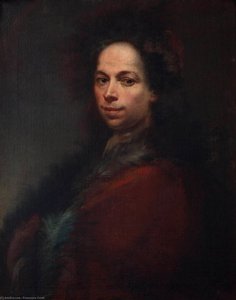
Francesco Conti (1681 – 1760): A Florentine Baroque Master
Francesco Conti, born in Caivano near Naples in 1681, emerged as a prominent figure within the vibrant artistic landscape of Florence during the Baroque era. His formative years were steeped in the tutelage of Giovanni Maria Morandi and Carlo Maratta – masters whose stylistic approaches profoundly shaped his own artistic vision. These influential mentors instilled in Conti a dedication to dramatic realism and masterful chiaroscuro techniques, characteristics that would define his oeuvre for decades to come.- Early Influences: Conti’s initial training under Morandi exposed him to the refined elegance of Roman Baroque painting, emphasizing idealized forms and balanced compositions. Simultaneously, Maratta's teachings championed theatrical grandeur and emotional intensity – elements that would become integral to Conti’s artistic sensibilities.
- Florence & Patronage: Returning to Florence after his formative years in Rome, Conti secured invaluable support from the Riccardi family, who regularly commissioned him for monumental altarpieces and provided a stable income. This patronage allowed him to pursue his artistic endeavors with unwavering commitment and fostered collaborations that enriched Florentine art history.
Notable Works & Artistic Style
Conti’s artistic style was characterized by an uncompromising embrace of Baroque principles – particularly chiaroscuro, the dramatic interplay between light and shadow—which he skillfully employed to convey emotion and heighten visual impact. His paintings pulsated with palpable energy, capturing moments of profound spiritual contemplation alongside scenes of heroic action. Among his most celebrated achievements are “Madonna & Child with Saint Sylvester I, Saint Paul and Saint Catherine of Alexandria” (1738), commissioned for Sant’Andrea della Minerva by the Rucellai family—a masterpiece lauded for its masterful composition and luminous illumination—and “Death of King Josiah,” a monumental depiction of biblical drama executed in 1740. These works stand as testament to Conti's ability to fuse technical virtuosity with expressive storytelling.- Dominant Technique: Conti’s signature technique involved meticulous layering of paint, creating textures that mirrored the grandeur and solemnity of his subjects. He skillfully manipulated light sources to sculpt forms and imbue canvases with an ethereal glow—a hallmark of Maratta's influence.
- Religious Themes: Conti dedicated his artistic energies primarily to religious iconography, producing a prolific output of altarpieces and devotional paintings that reflected the spiritual fervor of his time. His depictions of saints and biblical narratives resonated deeply with audiences and cemented his reputation as one of Florence’s foremost Baroque artists.
Legacy & Influence
Francesco Conti's artistic legacy extends beyond his individual masterpieces; he served as a mentor to numerous aspiring painters, fostering the development of Florentine Baroque art for generations to come. His pupil Anna Bacherini Piattoli continued Conti’s stylistic traditions and contributed significantly to the artistic discourse of the era. Conti’s unwavering commitment to Baroque principles—particularly chiaroscuro and dramatic realism—established him as a pivotal figure in Florentine art history, ensuring his enduring influence on subsequent artists and shaping the visual culture of his time. His work continues to inspire admiration for its expressive power and technical brilliance.Further Exploration
For deeper insights into Francesco Conti’s artistic journey and contributions to Baroque painting, explore resources such as:Recommended Resources
- Museum Database: Сан Франческо делла Вінья
Kérdések és válaszok
Megvizsgálhatom Francesco Conti színhasználatát az összes művében?
Francesco Conti Paletta Genom egy olyan oldal, amely bemutatja a művész életművének színes profilját.
Hol tekinthetők meg Francesco Conti műveit egy 3D-s galériában?
Virtuális látogatás is lehetséges: Francesco Conti alkotásai 3D Galéria oldalon, egy háromdimenziós galériában tekinthetők meg.
Milyen időszakra bontható Francesco Conti pályafutása?
Francesco Conti Krónika oldala egy görgetésre alapozott idővonal, amely a művész alkotásait kronologikus sorrendben, a pályafelvétetei szerinti fejezetekbe csoportosítva mutatja be.