A Life Dedicated to Realism: The World of Robert Edward Morrison
Robert Edward Morrison, born in 1851, was a Canadian artist whose career unfolded during a period of significant change and artistic development. While biographical details remain somewhat sparse, the legacy he left through his meticulously rendered portraits and evocative landscapes speaks volumes about his dedication to realism and mastery of light. His early life, rooted in Peel and Douglas before relocating to Liverpool around 1870, undoubtedly shaped his artistic sensibilities. This period saw a burgeoning interest in capturing the world with accuracy and detail—a trend Morrison wholeheartedly embraced. He wasn’t merely documenting appearances; he was striving for an emotional resonance within each brushstroke, a quality that would become a hallmark of his work.The Portraitist's Eye: Capturing Character and Status
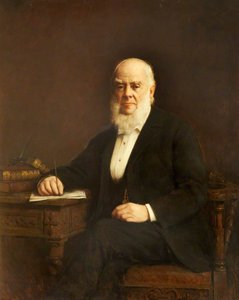
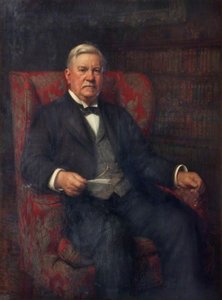
Morrison quickly established himself as a sought-after portrait painter, particularly amongst the influential figures of his time. His portraits weren’t simply likenesses; they were insightful studies of character, often revealing subtle nuances of personality and social standing. Works like “Edward Bousfield Dawson” (1914) exemplify this talent—a dignified depiction rendered with a realistic style that invites contemplation. The subject's age is conveyed not just through physical features but also through the careful rendering of texture and expression. Similarly, his 1919 portrait of Alderman Sir William Bower Forwood showcases an academic mastery of impasto technique, highlighting the sitter’s military status and conveying a sense of authority. These weren’t commissions merely to record faces; they were statements about power, influence, and societal position. Morrison understood the language of visual symbolism—the clothing, posture, and background details all contributed to a narrative beyond the individual subject.Beyond Likeness: Exploring Life Studies and Artistic Technique
While celebrated for his formal portraits, Morrison’s “Life Study, Head and Shoulders of a Man” (1880) offers a glimpse into his broader artistic exploration. This nude portrait is remarkable for its rich detail, dramatic lighting, and masterful depiction of musculature. It reveals a deep understanding of anatomy and form, suggesting a rigorous academic training. The painting isn’t simply an exercise in technical skill; it's a captivating study of the human body, imbued with a sense of vulnerability and strength. This work demonstrates Morrison’s ability to move beyond commissioned pieces and explore subjects driven by artistic curiosity. His technique consistently prioritized realism—a careful observation of light and shadow, precise rendering of textures, and an unwavering commitment to capturing the essence of his subject matter.Historical Context and Enduring Legacy
Robert Edward Morrison worked within a Victorian art landscape that valued both technical skill and narrative power. He was part of a generation of artists who sought to bridge the gap between academic tradition and emerging modern sensibilities. His work reflects the social and political climate of the late 19th and early 20th centuries, documenting the lives of prominent individuals and offering insights into the values of the era. Although not as widely recognized today as some of his contemporaries, Morrison’s paintings continue to captivate viewers with their detailed realism and emotional depth. His work serves as a testament to the enduring power of portraiture—the ability to capture not just an image but also a sense of time, place, and personality.- Born: 1851
- Died: 1924
- Known for: Detailed realism, mastery of light in portraits and landscapes.
- Influences: Academic tradition, Victorian portraiture, a commitment to capturing the essence of his subjects.
Kérdések és válaszok
Hogyan találhatom meg Robert Edward Morrison alkotásainak összes darabját egy adott médiumban?
Robert Edward Morrison alkotásainak meghatározott technikában való kereséséhez használja a művész Minden médium oldalát.
Létezik-e összes olyan témáról, amelyet Robert Edward Morrison festett, összefoglaló?
Robert Edward Morrison művei témánként is felfedezhetők a művész Témakörök katalógusa oldalán.
Szűrhetem Robert Edward Morrison műveit szín alapján?
Robert Edward Morrison művei színek szerinti csoportosítással is felfedezhetők a művész Színindex oldalán.