


Sommario
Brevi note biografiche
- Also known as: Cristian Hilfgott Brand
- Art period: Età Moderna
- Born: 1723, Francoforte sull'Oder, Germania
- Lifespan: 72 years
- Copyright status: Public domain
- Espandi dettagli…
- Top-ranked work: Par force Hunting
- Nationality: Germania
- Top 3 works: Par force Hunting
- Died: 1795
- Works on APS: 1
Quiz d'arte
Per ogni domanda è presente una sola risposta corretta.
Domanda 1:
Dove è nato Christian Hilfgott Brand?
Domanda 2:
Chi ha influenzato Brand nello stile pittorico?
Domanda 3:
Qual era la professione di Brand prima di diventare un pittore?
Domanda 4:
In quale anno Brand ha frequentato l'Accademia delle Arti Figurative di Vienna?
Domanda 5:
Qual è stata l’opera più significativa di Brand dopo un colpo?
Articoli correlati

The Dramatic Vista: Exploring Emotion, Power & Technique in Baroque Landscape Painting
Explore the dramatic power of Baroque landscape painting! Discover Rembrandt, Vermeer & Caravaggio's techniques, symbolism & lasting influence. Expert insights for art lovers & collectors at AllPaintingsStore.

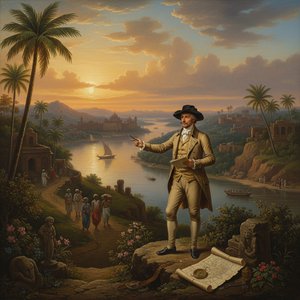
Thomas Daniell: Navigating Light, Landscape & Cultural Exchange in Early 19th-Century India
Explore the captivating landscapes of Thomas Daniell, a pioneering artist who documented India's beauty in the 19th century. Discover his 'Oriental Scenery,' aquatint technique & lasting legacy. Hand-painted reproductions available at AllPaintingsStore.
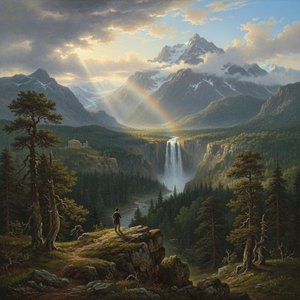
Evoking Nature's Sublime: A Comprehensive Exploration of 19th-Century Landscape Painting
Explore the captivating world of 19th-century landscape painting! Discover renowned artists like Friedrich & Monet, key movements, and find the perfect artwork to bring nature's serenity into your home. Expert insights at AllPaintingsStore.





