


Informazioni rapide
- Nationality: Germania
- Copyright status: Under copyright
- Top-ranked work: Decapitation of Saint Maurelius
- Works on APS: 1
- Altro…
- Born: Winnenden, Germania
- Top 3 works: Decapitation of Saint Maurelius
- Museums on APS:
- Museo della Cattedrale
- Museo della Cattedrale
- Museo della Cattedrale
- Museo della Cattedrale
- Museo della Cattedrale
Quiz d'arte
Per ogni domanda è presente una sola risposta corretta.
Domanda 1:
Qual è la principale attività professionale di Johannes Karcher?
Domanda 2:
Qual è l'eredità familiare di Johannes Karcher?
Domanda 3:
Oltre alla carriera legale, Johannes Karcher è stato coinvolto in:
Domanda 4:
Johannes Karcher ha lavorato come consulente legale per:
Domanda 5:
Quale museo presenta magnifiche opere romaniche e capolavori di Taddeo Gaddi & Luca della Robbia?
Articoli correlati
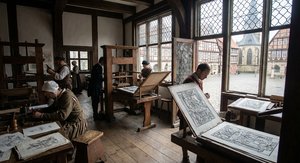
The Northern Awakening: Artistic Innovation & Cultural Transformation in the German Renaissance
Explore the artistic innovation of the German Renaissance! Discover Dürer, the Danube School & Reformation art. Learn about techniques, materials & lasting influence. Find museum-quality reproductions at AllPaintingsStore.


Anton von Werner: Pittore Imperiale, Testimone Storico e l'Identità Tedesca in Evoluzione
Esplora la vita e le opere di Anton von Werner, pittore imperiale tedesco e testimone chiave della storia prussiana. Analisi approfondite, contesto storico e l'eredità artistica di un maestro del realismo.

Max Klinger: Simbolismo, Scienza e Inconscio – L'Eredità di un Maestro Tedesco
Esplora il mondo affascinante di Max Klinger, maestro del Simbolismo tedesco. Analisi approfondita della sua arte, l'influenza della scienza e la rappresentazione dell'inconscio. Scopri l'eredità di un artista rivoluzionario.





