L'Anima della Cerimonia del Tè: La Vita e l'Eredità di Katagiri Iwanakami Sekishu
Nel delicato equilibrio tra le turbolenze politiche dell'inizio del periodo Edo e la profonda quiete della pratica Zen, la vita di Katagiri Iwanakami Sekishu (1605–1673) si è dispiegata come una lezione magistrale di armonia. Nato a Osaka, Sekishu fu molto più di un semplice osservatore della sua epoca; fu un architetto fondamentale dell'identità estetica giapponese. In qualità di daimyō di alto rango e funzionario al servizio dello shogunato Tokugawa, la sua vita era ancorata alle rigide strutture del governo e del dovere militare. Eppure, sotto questo mantello di autorità amministrativa, batteva il cuore di un artista contemplativo e di un devoto maestro del tè. La sua esistenza rappresentò una rara dualità, in cui le pesanti responsabilità della classe samurai incontravta la leggerezza eterea della cerimonia del tè, creando un'eredità che avrebbe alterato per sempre il paesaggio visivo e spirituale del Giappone.
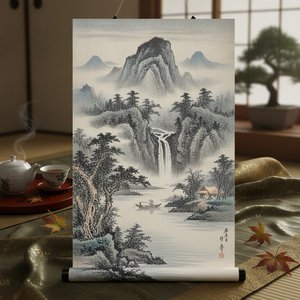
L'arte di Sekishu era profondamente radicata nella sua immersione nel Buddismo Zen, una disciplina spirituale che informava ogni pennellata e ogni movimento ritualistico da lui padroneggiato. Questo legame con lo Zen gli fornì una lente unica attraverso cui osservare il mondo naturale, portando alla creazione di paesaggi che non miravano tanto all'accuratezza topografica, quanto alla cattura dell'essenza della tranquillità e dell'impermanenza. Le sue opere cercavano spesso di evocare il silenzio profondo di una nebbia montana o la forza silenziosa di una pietra erosa dal tempo. Integrando questi principi spirituali nella sua pittura e nelle sue pratiche del tè, egli colmò il divario tra il mondo fisico del potere politico e il regno metafisico dell'illuminazione.
La Scuola Sekishū-Ryū: Una Rivoluzione della Sobrietà
Forse il contributo più duraturo di Sekishu alla cultura giapponese fu la fondazione della scuola della cerimonia del tè Sekishū-ryū. In un'epoca in cui molti erano attratti da esibizioni di ricchezza più sfarzose e ostentate, Sekishu promosse un radicale ritorno alla semplicità e alla naturalezza. Tracciando una profonda ispirazione dalla leggendaria figura di Sen no Rikyū, egli perfezionò uno stile caratterizzato dal wabi-sabi: la bellezza dell'imperfezione e l'eleganza dell'essenziale. Il suo approccio al chanoyu (la cerimonia del tè) enfatizzava una connessione profonda con i materiali a disposizione, concentrandosi sulla selezione deliberata di rocce, bambù e ceramiche che possedessero una grazia organica e senza pretese.
Questo movimento non riguardava solo una preferenza estetica; fu un'innovazione sociale e culturale che rimodellò i costumi della classe samurai. Sotto la sua influenza, la cerimonia del tè divenne uno spazio meditativo per l'élite regnante, un santuario dove le fatiche del comando potevano essere momentaneamente messe da parte in favore della risonanza spirituale. La sua maestria si estese persino alla creazione di arte funzionale, come il chashaku (il cucchiaio da tè), dove l'umile mezzo del bambù veniva trasformato in un oggetto di profonda importanza artistica. Attraverso la sua scuola, Sekishu assicurò che i valori di armonia, rispetto e purezza diventassero la pietra angolare della cultura del tè giapponese per i secoli a venire.
Significato Storico e Resistenza Artistica
Il peso storico di Katagiri Iwanakami Sekishu risiede nella sua capacità di intrecciare i fili disparati della vita giapponese del XVII secolo. Fu un uomo che navigò i corridoi del potere sotto Tokugawa Ieyasu e Ietsuna, ma che trovò la sua vera voce nella quiete della stanza del tè e nelle profondità contemplative della pittura di paesaggio. I suoi traguardi non furono misurati solo dal suo rango politico o dal suo feudo a Koizumi, ma dalla risonanza duratura della sua filosofia estetica.
Oggi riconosciamo Sekishu come una figura fondante la cui influenza permea gran parte di ciò che intendiamo come bellezza tradizionale giapponese. La sua vita funge da testimonianza del potere di trovare la quiete nel movimento e il significato nella semplicità. L'eredità della scuola Sekishū-ryū continua a ispirare i praticanti della cerimonia del tè e gli amanti dell'arte giapponese, ricordandoci che la vera maestria risiede nella capacità di catturare l'infinito all'interno del finito, e l'eterno in un singolo, perfettamente preparato momento di tè.
Domande e risposte
Posso sfogliare le opere di Katagiri Iwanakami Sekishu per movimento artistico?
Le opere di Katagiri Iwanakami Sekishu possono essere consultate per movimento nella pagina Tutti i movimenti dell'artista.
Quali opere di Katagiri Iwanakami Sekishu sono le più visualizzate?
La pagina Statistiche di Katagiri Iwanakami Sekishu presenta statistiche calcolate a partire dalle opere dell'artista elencate su questo sito web.
Dove posso vedere le opere di Katagiri Iwanakami Sekishu in ordine cronologico?
La pagina Cronologia delle opere dell'artista presenta le opere di Katagiri Iwanakami Sekishu in ordine cronologico, anno dopo anno.