Kim Ho Deuk: Un Viaggio Attraverso il Paesaggio a Inchiostro Coreano
Kim Ho Deuk, nato a Daegu, in Corea del Sud, nel 1950, si erge come una figura di spicco nella pittura a inchiostro coreana contemporanea, una tradizione profondamente radicata nella filosofia buddista e nell'espressione artistica. I suoi anni formativi sono stati segnati da rigorosi percorsi accademici presso la Facoltà di Belle Arti della Seoul National University, culminati nel conseguimento dei titoli di B.F.A. e M.F.A. con specializzazione in pittura. Questa solida base nelle tecniche classiche ha plasmato profondamente la sua visione artistica, informando una dedizione vitale all'esplorazione del profondo simbolismo intrinseco all'immagine del paesaggio.- Prime Influenze: La sensibilità artistica di Ho Deuk è stata nutrita dall'esposizione al Buddismo Zen e al suo accento sulla consapevolezza e la contemplazione, influenze che permeano tutta la sua opera.
- Formazione Accademica: I suoi studi alla Seoul National University gli hanno fornito una comprensione completa della storia dell'arte occidentale insieme alle tradizioni pittoriche coreane, favorendo una prospettiva equilibrata sull'innovazione artistica.
- Mostre Notevoli: Riconoscendo il suo talento fin da giovane, gallerie come Hakgojae e Gallery BK hanno sostenuto il suo lavoro, presentando mostre personali che hanno ottenuto il plauso della critica, stabilendolo come un artista rispettato nella comunità artistica coreana.
L'Essenza della Pittura a Inchiostro Coreana
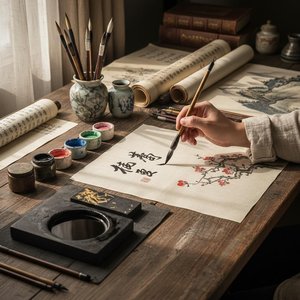
Al cuore della pratica artistica di Kim Ho Deuk risiede l'esecuzione meticolosa della pittura ad acquerello d'inchiostro, una tecnica caratterizzata da una deliberata semplicità e da un profondo potere espressivo. A differenza dei paesaggi occidentali che aspirano alla rappresentazione realistica, i paesaggi a inchiostro coreani danno priorità alla trasmissione dell'emozione e dell'intuizione spirituale piuttosto che all'accuratezza visiva. L'artista utilizza sottili gradazioni di tono ottenute attraverso la stratificazione di lavaggi d'inchiostro sulla carta di riso, creando trame che imitano il mondo naturale e, al contempo, incarnano i concetti di vuoto (sunyata) e interconnessione, temi centrali della cosmologia buddista.- Tecnica: La maestria di Ho Deuk risiede nel padroneggiare l'equilibrio delicato tra spontaneità e controllo, un marchio distintivo della tradizione della pittura a inchiostro coreana.
- Simbolismo: Motivi ricorrenti come montagne, alberi e rocce sono intrisi di significato simbolico, rappresentando la permanenza, la resilienza e la natura ciclica dell'esistenza.
- Considerazioni Compositive: L'attenta attenzione alla disposizione spaziale contribuisce all'impatimento complessivo di ogni opera, guidando lo sguardo dello spettatore e favorendo la contemplazione del rapporto tra l'umanità e il mondo naturale.
Esplorare la Profondità Concettuale attraverso l'Immagine Paesaggistica
Kim Ho Deuk si distingue da molti artisti contemporanei adottando un approccio concettuale alla pittura di paesaggio, allontanandosi dalle rappresentazioni puramente descrittive. Traendo ispirazione dai testi del Buddismo Zen come il Linji Lu, egli cerca di catturare non solo ciò che è visibile, ma ciò che è percepito: l'essenza sottostante dell'esperienza stessa. Come espresso nel Linji Lu, "Bisogna distinguere il bianco e il nero in un istante e determinare la vita e la morte in un lampo di fulmine", i dipinti di Ho Deuk riflettono questa preoccupazione per l'immediatezza e l'intuizione trasformativa.- Influenza Zen: Il concetto di "ora" — uno stato di pura presenza — funge da principio guida per il suo processo artistico, rispecchiando l'ideale Zen di raggiungere l'illuminazione attraverso la consapevolezza.
- Psicologia della Gestalt: Egli utilizza i principi della Gestalt per creare composizioni visive che enfatizzano le relazioni tra gli elementi, dimostrando una consapevolezza della psicologia percettiva e del suo impatto sull'interpretazione artistica.
- Risonanza Filosofica: Similmente a "One and Three Chairs" di Kosuth, l'opera di Ho Deuk instaura un dialogo con concetti filosofici, spingendo gli spettatori a riflettere su questioni di percezione, realtà e condizione umana.
Riconoscimento e Eredità
I traguardi artistici di Kim Ho Deuk sono stati riconosciuti a livello internazionale attraverso prestigiose fiere d'arte come Art Basel Hong Kong e Ink Studio, consolidando la sua posizione di voce guida nell'arte contemporanea coreana. La sua rappresentanza da parte della Hakgojae Gallery assicura una continua visibilità per il suo lavoro e contribuisce alla preservazione delle tradizioni della pittura a inchiostro coreana per le generazioni future. In definitiva, il contributo duraturo di Kim Ho Deuk risiede nella sua capacità di trasformare l'immagine del paesaggio in un veicolo per una profonda contemplazione spirituale, una testimonianza del potere trasformativo dell'espressione artistica.Domande e risposte
Posso sfogliare le opere di Kim Ho Deuk per tecnica?
Per trovare tutte le opere di Kim Ho Deuk suddivise per tecnica, consulta la pagina Per tecnica dell'artista.
Quante opere di Kim Ho Deuk sono disponibili nel catalogo?
Puoi sfogliare 1 opere opere di Kim Ho Deuk nella pagina Tutte le opere.
Di dove è Kim Ho Deuk?
Kim Ho Deuk è nato/a in Corea del Sud.