


 プレビュー
プレビュー
 シェアする
シェアする シェアする
シェアする
 詳細を見る
詳細を見る

 ダウンロード
 似ている作品
 X線調査
X線調査 スライドショー
結婚のベッドへ
 キャンバスにアクリル絵具
- ウォールアート
- Rococo
 1767
1767 36.0 x 31.0 cm
 国立カナダ美術館
 詳細を見る
詳細を見る
手描き油彩複製画
当社のアーティストが、お客様のご希望のサイズと額縁に合わせて、キャンバスに手描きで制作する油彩画です。 ( プリント版に切り替え 画像に切り替え)




P118B $10

P118H $10

P118W $10

P438Z $10

P508JH $12

P508YH $12

P805H $10

P805Z $10

P919BZ $10

P919G $10

P919XJ $10

P959ZH $10

P968JZ $12

W106C $8

W218G $10

W218JH $8

W218Y $10

W307PJ $10

W316G $10

W316PJ $8

W316Y $10

W398PJ $8

W4111J $10

W500HY $15

W500JH $15

W692G $12

W849H $8

W940BG $15

W953PJ $8




作品のオリジナル比率に合わせた、当店の規定サイズからお選びください。

特定のフレームやスペースに合わせて、ご希望のサイズをご入力いただけます。選択されたサイズが元の画像の比率と異なる場合、アートワークをトリミングするか、手描きで要素を追加して絵画を拡張いたします。デジタルモックアップ を制作し、制作開始前にご確認(承認)をいただきます。
画面上のプレビューは、実際のトリミングや拡張を正確に反映しているものではありません。最終的な構図は、モックアップによってのみ正確にご確認いただけます。
カスタムサイズもご利用いただけますが、元の比率を維持するためには、あらかじめ用意されたリストからサイズを選択することをお勧めいたします。
ご注文後、AllPaintingsStore.com チームより詳細な指示をお送りするとともに、仕上がりイメージ(モックアップ)をご提供いたします。


 ガラスオプションは、110cm未満のサイズでのみご利用いただけます。

結婚のベッドへ
複製技法
複製画のサイズ
-


合計金額
$ 258
関連作品


アーティストの略歴
Gavin Hamilton: The Antiquarian Painter of Rome
Gavin Hamilton (1723, Lanarkshire – 4 January 1798, Rome) stands as a singular figure in the history of art, a man whose legacy is inextricably linked to both the burgeoning neoclassical movement and his passionate, sometimes controversial, pursuit of ancient Roman antiquities. More than simply a painter, Hamilton was an arbiter of taste, a scholar, and ultimately, a key player in shaping how Europe understood and engaged with its classical past. His life unfolded across two continents – initially within the vibrant intellectual landscape of Scotland, then culminating in a decades-long sojourn in Rome, where he dedicated himself to collecting and interpreting the remnants of antiquity. This unique combination of artistic skill and scholarly obsession cemented his place as one of the most influential painters of the late 18th century. Hamilton’s early life was steeped in the Scottish Enlightenment. Born in Lanarkshire, Scotland, in 1723, he displayed an exceptional aptitude for learning from a young age, matriculating at the University of Glasgow at just fifteen years old. His family background—his father was a headmaster and fellow of Balliol College, Oxford—provided him with a privileged education, fostering a deep appreciation for classical literature and philosophy. This intellectual foundation would prove crucial to his later artistic endeavors. He spent several formative years in Italy, studying under Agostino Masucci in Rome, absorbing the principles of neoclassical art and developing a keen eye for detail and composition. Crucially, it was during this period that he became deeply immersed in the world of Roman antiquities, embarking on a lifelong quest to unearth and understand these remnants of a lost civilization. This pursuit would define much of his career and ultimately lead him to become a leading authority on classical art and taste. Hamilton’s artistic style evolved significantly throughout his career. Initially influenced by the grand manner championed by Sir Joshua Reynolds – particularly in his emphasis on idealized beauty and dramatic narrative – he gradually developed a more restrained, almost austere aesthetic. His later works, especially those depicting scenes from Homer's *Iliad*, are characterized by their monumental scale, meticulous detail, and a deliberate avoidance of overt emotionalism. These paintings weren’t merely decorative; they were carefully constructed allegories designed to convey moral lessons and celebrate the virtues of Roman civilization. The cycle of six paintings based on the *Iliad*, commissioned for the Earl of Moira, became his most celebrated achievement, establishing him as a leading figure in the neoclassical movement. These works, engraved and widely disseminated across Europe, profoundly influenced subsequent generations of artists and shaped public perceptions of classical antiquity. His *Death of Lucretia* (1760s), depicting the legendary Roman heroine’s sacrifice, further solidified his reputation for dramatic storytelling and masterful composition. However, Hamilton's career was not without its complexities. His relentless pursuit of antiquities often led him into ethically questionable territory. He engaged in a controversial practice known as “antiquarianism,” which involved acquiring ancient sculptures and artifacts through dubious means – sometimes by removing them from their original contexts or even outright theft. This behavior, coupled with his outspoken opinions on classical art and taste, earned him considerable criticism during his lifetime. Despite these controversies, Hamilton’s influence remained undeniable. He was a respected scholar and a highly sought-after consultant to wealthy patrons and collectors across Europe. His expertise shaped the understanding of classical art for an entire generation, and his paintings continue to be studied and admired today. Hamilton's final years were spent in Rome, where he continued his scholarly pursuits and amassed a vast collection of Roman antiquities. He died in 1798, leaving behind a legacy as both a brilliant artist and a controversial figure—a man who blurred the lines between art, scholarship, and the sometimes-questionable ethics of collecting ancient treasures. His work remains a testament to the enduring fascination with classical antiquity and the profound impact that one individual can have on shaping our understanding of the past.
pierre-antoine baudouin
1723 - 1769 , France
基本情報
- Artistic Movement Or Style: Neoclassical history painter
- Artists Or Movements Influenced By This Artist:
- Jacques-Louis David
- Thomas Blackwell
- Artists Who Influenced This Artist:
- Agostino Masucci
- Sir Joshua Reynolds
- Date Of Birth: 1723
- Date Of Death: 1798
- Full Name: Gavin Hamilton
- Nationality: Scottish
- Notable Artworks:
- Death of Lucretia
- Homer's Iliad cycle
- Place Of Birth: Lanarkshire, Scotland
関連記事
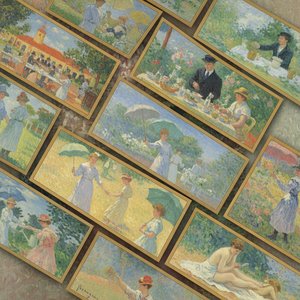
ルノワール傑作25選:光と色彩が織りなす印象派の華麗なる世界 | AllPaintingsStore
ルノワールの傑作25選🎨 印象派の光と色彩が輝く世界へ。絵画の背景、技法、そして時代を超えて愛される理由を紐解きます。AllPaintingsStoreで高品質な複製画やインテリアアートを見つけ、お部屋に芸術的な彩りを✨ Explore the full collection online!

ジョルジュ・スーラ傑作25選:光と色彩の科学が織りなす芸術の世界|AllPaintingsStore
ジョルジュ・スーラの傑作25選。点描画の光と色彩、印象派から新印象派へ—AllPaintingsStoreで美術史を紐解き、リビングやダイニングを彩る高品質なアートプリントを見つけましょう。セーラ作品集をオンラインで鑑賞ください。
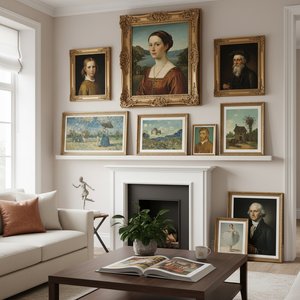
ナショナル・ギャラリーの至宝25選:名画が語る芸術と歴史 | AllPaintingsStore
ワシントン美術館の至宝25選。セザンヌ、マティス、ピカソ…名画に秘められた物語と色彩を紐解きます。AllPaintingsStoreで高品質な絵画複製やインテリアアートを見つけ、お部屋に芸術の輝きを。今すぐコレクションをご覧ください!
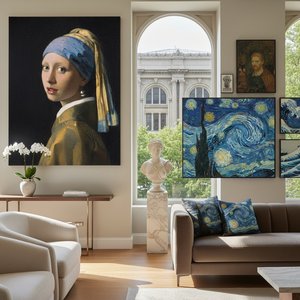
メトロポリタン美術館の至宝25選:名画とアートが語る歴史と美【AllPaintingsStore】
メトロポリタン美術館の至宝25選。モネ、ゴッホ、レンブラント…名画に秘められた物語と技法を紐解きます。印象派からルネサンスまで、時代を超えて輝く芸術作品をウォールアートで暮らしに取り入れませんか?AllPaintingsStore.comで全コレクションをご覧ください。
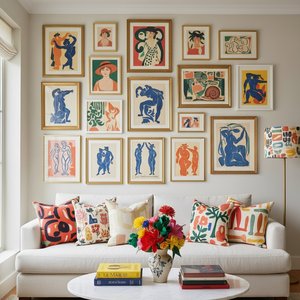
アンリ・マティスの傑作25選:色彩と情熱の軌跡|AllPaintingsStore
アンリ・マティスの傑作25選🎨 色彩と情熱が織りなす世界を旅する。フォーヴィスム代表の巨匠、マティスの絵画の魅力と歴史を紐解きます。AllPaintingsStoreで高品質なアートプリントや複製画を見つけ、インテリアに芸術的な輝きを✨ Explore the full collection online




