プレビュー
プレビュー
 シェアする
シェアする シェアする
シェアする
 詳細を見る
詳細を見る ガイド
ガイド

 ダウンロード
 似ている作品
 X線調査
X線調査 スライドショー
 統計情報
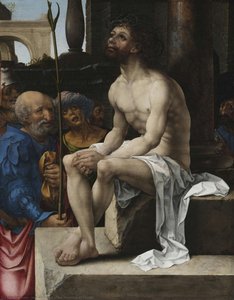
統計情報イエス・キリストの嘲笑
 キャンバスにアクリル絵具
- ウォールアート
- Renaissance Mannerism
 1507
1507 51.0 x 40.0 cm
 美術館
美術館
 詳細を見る
詳細を見る
手描き油彩複製画
当社のアーティストが、お客様のご希望のサイズと額縁に合わせて、キャンバスに手描きで制作する油彩画です。 ( プリント版に切り替え デジタル画像販売へ切り替え)




P118B $10

P118H $10

P118W $10

P438Z $10

P508JH $12

P508YH $12

P805H $10

P805Z $10

P919BZ $10

P919G $10

P919XJ $10

P959ZH $10

P968JZ $12

W106C $8

W218G $10

W218JH $8

W218Y $10

W307PJ $10

W316G $10

W316PJ $8

W316Y $10

W398PJ $8

W4111J $10

W500HY $15

W500JH $15

W692G $12

W849H $8

W940BG $15

W953PJ $8




作品のオリジナル比率に合わせた、当店の規定サイズからお選びください。

特定のフレームやスペースに合わせて、ご希望のサイズをご入力いただけます。選択されたサイズが元の画像の比率と異なる場合、アートワークをトリミングするか、手描きで要素を追加して絵画を拡張いたします。デジタルモックアップ を制作し、制作開始前にご確認(承認)をいただきます。
画面上のプレビューは、実際のトリミングや拡張を正確に反映しているものではありません。最終的な構図は、モックアップによってのみ正確にご確認いただけます。
カスタムサイズもご利用いただけますが、元の比率を維持するためには、あらかじめ用意されたリストからサイズを選択することをお勧めいたします。
ご注文後、AllPaintingsStore.com チームより詳細な指示をお送りするとともに、仕上がりイメージ(モックアップ)をご提供いたします。


 ガラスオプションは、110cm未満のサイズでのみご利用いただけます。

イエス・キリストの嘲笑
複製技法
複製画のサイズ
-


合計金額
$ 258
jan gossaert とその作品「モイストのキリスト」について
Jan Gossaert(ジャン・ゴッサルト)、通称マブーセは、15世紀末から16世紀初頭にかけて活躍したフランドル美術の巨匠であり、彼の芸術はイタリアと北ヨーロッパのスタイルを融合させ、低国にローマ主義を取り入れたことで大きな影響を与えました。特に彼の作品「モイストのキリスト」は、当時の美術界において革新的な試みとして高く評価されています。この絵画は、ローマ軍士官によって嘲笑されるキリストの姿を描いたものであり、その繊細な表現と豊かな色彩は見る者を圧倒します。 この絵画についてより深く理解するためには、まずゴッサルト自身の生い立ちと芸術活動を振り返る必要があります。彼は1478年にベルギーのマウベュージュで生まれました。彼の父親は木彫家であり、息子に優れた技術と芸術的な感覚を伝えました。母親はハーブリストであり、自然界における美しさや変化のサイクルといったテーマを息子に教えていました。これらの要素がゴッサルトの作品に共通する特徴と言えるでしょう。 ゴッサルトの芸術スタイルは、イタリアのルネサンス美術の影響を受けつつも、北ヨーロッパ独自の伝統を継承しています。彼は特に宗教画において卓越した技術を発揮し、聖母と幼子の絵画や聖人画など、多くの傑作を生み出しました。「モイストのキリスト」においても、ゴッサルトはキリストの苦悩と悲しみを表現するために、細心の注意を払いました。彼はキリストが石のベンチに座り、腕を組んでいる姿を描き、その視線は下方に向かっており、嘲笑と侮辱を受ける様子を表しています。周囲には他の人物も登場し、それぞれ異なる役割を果たしています。特にローマ軍士官たちが用いる道具は、ゴッサルトの表現力をさらに高めています。彼らは鞭や杖などを用いてキリストを嘲笑し、聖書はさらに侮辱的な言葉で用いられています。 この絵画が持つ歴史的背景もまた重要です。「モイストのキリスト」は、キリスト教徒にとって重要な聖書の物語に基づいています。これはユダヤ教の預言者イエス・ハリストスがローマ軍士官によって嘲笑され、鞭打ちと侮辱を受ける場面を描いたものであり、当時の宗教的な情熱を反映しています。ゴッサルトはこれらの要素を巧みに組み合わせることで、絵画に深い意味を与えています。彼の作品は単なる美しい絵画としてだけでなく、歴史的な出来事や宗教的な思想を表現する芸術作品としての価値を持っています。 この絵画の技術的な特徴も注目すべき点です。ゴッサルトは油彩技法を用い、細密な色彩と質感を実現しました。彼は特に聖母と幼子の絵画において、光と影の効果を最大限に活用し、キリストの苦悩と悲しみをより効果的に表現しています。「モイストのキリスト」におけるゴッサルトの技術は、当時の美術技法の中でも最先端のものと言えるでしょう。彼の作品は美術史において重要な位置を占めており、その美しい色彩と繊細な表現は見る者に感動を与えます。この絵画は単なる芸術作品としてだけでなく、人間の感情や精神性を表現する芸術作品としての価値を持っています。関連作品


アーティストの略歴
The Shadowed Canvas: Exploring the Life and Art of an Unknown Master
The name Elias Thorne remains largely obscured within the annals of 16th-century European art, a deliberate anonymity that perhaps mirrors the complex and often melancholic nature of his work. Born in the small, rain-swept village of Oakhaven, nestled on the fringes of the Black Forest in 1503, Thorne’s early life offers little in the way of documented detail – whispers suggest a childhood marked by solitude and an unusual fascination with the natural world, particularly the interplay of light and shadow. His father was a woodcarver, imparting a foundational understanding of form and texture, while his mother, a herbalist, instilled within him a deep reverence for the subtle beauty found in decay and transformation – themes that would become central to Thorne’s artistic vision.
Thorne's formal training is shrouded in mystery. Unlike many artists of his era who apprenticed under established masters, he seems to have been largely self-taught, a characteristic that profoundly shaped the unique character of his paintings. He spent several years traveling throughout Germany and Switzerland, absorbing influences from the burgeoning Renaissance movement while simultaneously developing a distinct style – one characterized by an almost obsessive attention to detail, a muted palette dominated by browns, grays, and deep blues, and a haunting sense of atmosphere. Unlike the vibrant colors favored by his contemporaries, Thorne deliberately employed shadows not as mere absences of light, but as active participants in the narrative of each scene.
A Palette of Grief and Reflection
Thorne’s artistic output was remarkably modest – fewer than thirty paintings survive, scattered across private collections and small museums. Yet, within this limited body of work lies a remarkable depth of emotional resonance. His subjects rarely depict grand historical events or idealized portraits; instead, he focused on scenes of quiet contemplation, moments of profound sorrow, and the inevitable passage of time. Recurring motifs include solitary figures – often women – gazing out from darkened interiors, decaying landscapes, and still lifes featuring wilting flowers and weathered fruit. These images are not merely representations of reality but rather explorations of the human condition, imbued with a palpable sense of melancholy and introspection.
- Notable Works: “The Weaver’s Lament,” “The Forgotten Chapel,” “Still Life with Dying Lilies,” “Portrait of an Unknown Woman (Shadowed),” “Winter’s Embrace.”
- Technique: Thorne was a master of *sfumato*, utilizing subtle gradations of tone and color to create a hazy, dreamlike quality. His brushwork is meticulous yet understated, prioritizing atmosphere over sharp detail. He favored oil paints on wood panels, lending a rich texture and depth to his canvases.
Influences and Artistic Roots
While Thorne’s style remains distinctly his own, it's clear that he was influenced by several key artistic currents of the period. The late Gothic traditions of Northern Europe – particularly the intricate detail and symbolic imagery found in medieval altarpieces – are evident in his compositions. Furthermore, there is a discernible connection to the work of Hans Holbein the Younger, particularly his use of light and shadow to create dramatic effects. However, Thorne transcends mere imitation; he synthesizes these influences into a profoundly personal vision.
Beyond art, Thorne’s life was deeply intertwined with folklore and local legends. The Black Forest itself played a significant role in shaping his artistic sensibility – its dense forests, ancient ruins, and whispered tales of forgotten spirits provided a constant source of inspiration. Local beliefs surrounding death, mourning, and the afterlife are subtly woven into the narratives depicted in his paintings.
Legacy and Historical Significance
Despite his obscurity during his lifetime, Elias Thorne’s work has experienced a quiet resurgence of interest in recent decades. Art historians now recognize him as a pivotal figure in the development of Northern European painting – a precursor to the Baroque era's emphasis on dramatic lighting and emotional intensity. His paintings are not celebrated for their technical brilliance or historical importance but rather for their profound psychological depth and haunting beauty. Thorne’s art serves as a poignant reminder that true artistic genius often resides not in grand gestures, but in the quiet contemplation of human experience.
His work offers a unique window into the anxieties and uncertainties of 16th-century Europe – a period marked by religious upheaval, political instability, and widespread social unrest. Thorne’s paintings reflect this atmosphere of unease, capturing not just the outward appearance of reality but also the underlying currents of sorrow, loss, and longing that shaped the lives of ordinary people.
Further Exploration
For further research into Elias Thorne's life and work, consider exploring these resources:
- The website of the Kunstmuseum Bern (Bern Art Museum) – which houses several examples of his paintings.
- Academic articles on Northern European painting from scholarly journals such as *Art History* and *Renaissance Quarterly*.

jan gossaert
1532 , Belgium
基本情報
- Artistic Movement Or Style: World Goes Pop
- Date Of Death: 1532
- Notable Artworks:
- Evelyne Axell
- Joav BarEl
- Thomas Bayrle
関連記事

Mastering Etching: A Professional Guide to Intaglio Printmaking Techniques for High-End Interior Curation
Master the intricate techniques of intaglio etching with our professional guide. Discover how fine-line printmaking adds depth and sophistication to luxury hotel interiors through high-quality, museum-grade reproductions for large-scale design projects.