


 プレビュー
プレビュー
 シェアする
シェアする シェアする
シェアする
 詳細を見る
詳細を見る ガイド
ガイド

 ダウンロード
 似ている作品
 X線調査
X線調査 スライドショー
 統計情報
統計情報タフェル7 - エピビュリア。シフォンフォラエ。


 詳細を見る
詳細を見る
手描き油彩複製画
当社のアーティストが、お客様のご希望のサイズと額縁に合わせて、キャンバスに手描きで制作する油彩画です。 ( プリント版に切り替え デジタル画像販売へ切り替え)




P118B $10

P118H $10

P118W $10

P438Z $10

P508JH $12

P508YH $12

P805H $10

P805Z $10

P919BZ $10

P919G $10

P919XJ $10

P959ZH $10

P968JZ $12

W106C $8

W218G $10

W218JH $8

W218Y $10

W307PJ $10

W316G $10

W316PJ $8

W316Y $10

W398PJ $8

W4111J $10

W500HY $15

W500JH $15

W692G $12

W849H $8

W940BG $15

W953PJ $8




作品のオリジナル比率に合わせた、当店の規定サイズからお選びください。

特定のフレームやスペースに合わせて、ご希望のサイズをご入力いただけます。選択されたサイズが元の画像の比率と異なる場合、アートワークをトリミングするか、手描きで要素を追加して絵画を拡張いたします。デジタルモックアップ を制作し、制作開始前にご確認(承認)をいただきます。
画面上のプレビューは、実際のトリミングや拡張を正確に反映しているものではありません。最終的な構図は、モックアップによってのみ正確にご確認いただけます。
カスタムサイズもご利用いただけますが、元の比率を維持するためには、あらかじめ用意されたリストからサイズを選択することをお勧めいたします。
ご注文後、AllPaintingsStore.com チームより詳細な指示をお送りするとともに、仕上がりイメージ(モックアップ)をご提供いたします。


 ガラスオプションは、110cm未満のサイズでのみご利用いただけます。

タフェル7 - エピビュリア。シフォンフォラエ。
複製技法
複製画のサイズ
-


合計金額
$ 258
Tafel 7 - Epibulia. Siphonophorae:海の芸術と進化の詩
Ernst Heinrich Philipp August Haeckelは、ドイツの生物学者であり、芸術家でもありました。彼はダーウィンの業績を広める上で重要な役割を果たし、進化論的な考え方を深めました。彼の作品は単なる観察記録を超えたものであり、自然界に対する深い愛と驚きが込められています。特に彼の「タヴェル7 - エピビュリア・シフォンフォラエ」は、海洋生物学における芸術的表現の傑作として今なお評価されています。この絵画は、ドイツ美術家エルンスト・ハイケルによって1904年に制作され、その独特なスタイルと技術は、当時の美術界に大きな影響を与えました。- 作品の概要: 「タヴェル7 - エピビュリア・シフォンフォラエ」は、ドイツ生物学者エルンスト・ハイケルによる海洋生物画です。この絵画には、魚類やイカなど多様な海の生き物たちが描かれ、それぞれの動物が詳細に観察されています。特にシフォンフォラエと呼ばれる繊細な構造を持つサンゴ類は、その美しい形状と動きが印象的です。
- 芸術運動の影響: ハイケル作品は、アールヌーボー美術運動に大きな影響を与えました。この時期の美術家たちは自然界の美しさを表現するために、有機的な曲線や色彩豊かな表現を追求しました。「タヴェル7」においても、これらの要素が巧みに取り入れられています。ハイケルは特にシフォンフォラエの構造を詳細に観察し、その美しい形状と動きを絵画に反映させました。
- 技術的特徴: ハイケルは水彩画技法を用いてこの作品を作成しました。彼は細部まで描き込みながらも、全体的なバランスを重視し、繊細な色彩使いで海の神秘的な雰囲気を表現しています。彼の観察力と芸術的な才能が融合した結果として生まれたこの絵画は、当時の美術界に新たな視点をもたらしました。
- 歴史的背景: ハイケルが生きた時代は、ダーウィンの進化論が発表され、科学の世界に大きな変革をもたらした時期でした。彼は進化論的な考え方を深く追求し、「タヴェル7」を通じてその思想を表現しています。この絵画は、当時の科学と芸術の関係を示す貴重な資料と言えるでしょう。
- 絵画の象徴性: シフォンフォラエは、その独特な構造と動きが美しいことで知られています。ハイケルはシフォンフォラエをモチーフにすることで、生命の多様性と進化の過程を表現しています。「タヴェル7」は単なる海洋生物画ではなく、自然界に対する畏敬の念と芸術的な創造性を反映した作品です。
関連作品


アーティストの略歴
Ernst Haeckel: A Pioneer of Biology and Artistic Vision
Ernst Heinrich Philipp August Haeckel (1834-1919) stands as a monumental figure in the annals of science and art, a man whose relentless curiosity and profound insights reshaped our understanding of life itself. Born into a family steeped in legal tradition in Potsdam, Prussia – a lineage that included prominent lawyers – Haeckel’s early fascination with the natural world quickly eclipsed any inherited legal aspirations. He possessed an innate drive to observe, classify, and ultimately, comprehend the intricate tapestry of existence, a passion nurtured by his mother's love for botany and a childhood spent collecting specimens. This formative period laid the groundwork for a career that would span decades, yielding groundbreaking discoveries in zoology, marine biology, philosophy, and, crucially, a uniquely compelling visual language. Haeckel’s legacy isn’t solely rooted in scientific advancement; it’s inextricably linked to his extraordinary artistic talent, particularly evident in his meticulously rendered illustrations – works that profoundly influenced the burgeoning Art Nouveau movement.Early Life and Scientific Foundations
Haeckel's formal education began at the Domgymnasium, a prestigious cathedral school in Merseburg, where he demonstrated an exceptional aptitude for learning and a remarkable independence of thought. He then pursued studies in medicine at Berlin and Würzburg, immersing himself in the rigorous disciplines of anatomy and physiology under esteemed mentors like Albert von Kölliker, Franz Leydig, Rudolf Virchow, and Johannes Peter Müller. These formative years instilled within him a deep respect for scientific methodology and a fascination with the underlying principles governing the natural world. Crucially, his encounter with Charles Darwin’s *On the Origin of Species* in 1860 served as a catalyst, igniting a fervent commitment to evolutionary theory and shaping his subsequent research trajectory. Haeckel quickly recognized the transformative potential of Darwin's ideas and dedicated himself to popularizing and expanding upon them within Germany – a role that would both elevate him to prominence and ultimately lead to controversy.Revolutionary Discoveries and the Recapitulation Theory
Haeckel’s scientific career blossomed during his tenure as professor of zoology at the University of Jena, beginning in 1861. He embarked on extensive expeditions – traversing the Canary Islands, Mediterranean Sea, Norway, Croatia, Egypt, Turkey, and Greece – meticulously documenting thousands of previously unknown species, primarily within the realms of radiolaria and medusae. His systematic approach to classification resulted in the naming of nearly seven hundred new marine invertebrates, solidifying his reputation as a leading authority in his field. Perhaps Haeckel’s most enduring contribution lies in his development of the “recapitulation theory,” often referred to as “ontogeny recapitulates phylogeny.” This provocative concept posited that an organism's embryonic development mirrors its evolutionary history – essentially suggesting that a creature briefly embodies all stages of its lineage. While now largely discredited due to subsequent discoveries in genetics, this theory, powerfully illustrated through his stunning artistic renderings, captivated the public imagination and profoundly influenced scientific thought at the time. His detailed illustrations, particularly those found in *Kunstformen der Natur* (Art Forms of Nature), weren’t merely depictions of marine life; they were visual arguments for his evolutionary theories, showcasing a remarkable synthesis of science and art.Artistic Influence and ‘Kunstformen der Natur’
Beyond his scientific achievements, Haeckel was a gifted artist whose illustrations transcended the boundaries of mere documentation. *Kunstformen der Natur* (1897), a monumental work comprising over 100 meticulously rendered plates, stands as a testament to his artistic vision and scientific rigor. These images – depicting everything from jellyfish and sea urchins to insects and plants – are not simply beautiful; they’re imbued with a sense of dynamism and evolutionary narrative. Haeckel's ability to capture the essence of each organism through precise detail and evocative composition profoundly influenced the Art Nouveau movement, which embraced organic forms, flowing lines, and a celebration of nature’s beauty. His work demonstrated that scientific observation could be elevated to an art form, creating a powerful bridge between the natural world and artistic expression. The influence can still be seen in contemporary design and illustration today.Controversies and Lasting Legacy
Despite his significant contributions to science and art, Haeckel’s career was not without controversy. His fervent advocacy for Darwinism often clashed with religious dogma, and he became embroiled in heated debates regarding the origins of humanity. Furthermore, Haeckel embraced ideas rooted in scientific racism – a disturbing aspect of his legacy that demands careful consideration. He promoted the concept of “racial hygiene,” advocating for selective breeding to improve the perceived genetic quality of populations. These views are unequivocally reprehensible and should not be excused or minimized. However, it’s crucial to acknowledge that Haeckel's work was produced within a specific historical context – a time when scientific ideas were rapidly evolving, often influenced by prevailing social biases. Despite these troubling aspects, Ernst Haeckel remains a pivotal figure in the history of science, an artist whose illustrations continue to inspire awe and wonder, and a complex individual whose life and work warrant continued scrutiny and critical engagement. His legacy is one of both remarkable achievement and profound ethical challenges, reminding us that scientific progress must always be tempered by moral responsibility.
ernst heinrich philipp august haeckel
1834 - 1919 , Germany
基本情報
- Artistic Movement Or Style: Art Nouveau influence
- Artists Or Movements Influenced By This Artist: ['Art Nouveau']
- Artists Who Influenced This Artist: ['Charles Darwin']
- Date Of Birth: February 16, 1834
- Date Of Death: August 9, 1919
- Full Name: Ernst Heinrich Philipp August Haeckel
- Nationality: German
- Notable Artworks:
- Kunstformen der Natur
- Tafel 7 - Epibulia. Siphonophorae
- Place Of Birth: Potsdam, Germany
関連記事

Echoes of Time: Exploring the Enduring Appeal & Historical Context of Vintage Art Prints
Explore the captivating world of vintage art prints! Discover their history, collecting tips & enduring appeal. Expert insights on chromolithography and building a legacy collection with AllPaintingsStore.

Kay Rasmus Nielsen: A Golden Age Illustrator's Enchanting Legacy of Symbolism & Narrative
Explore the captivating world of Kay Rasmus Nielsen, a celebrated Golden Age illustrator renowned for his Art Nouveau fairy tale art & Disney contributions. Discover his unique style, enduring legacy, and how to collect his enchanting works.
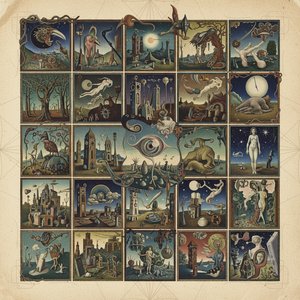
マックス・エルンスト傑作25選:シュルレアリスムの深淵と装飾への誘い
マックス・エルンストの傑作25選。シュルレアリスムを代表する画家、その夢と無意識の世界を描いた絵画や版画を紐解きます。リビングやオフィスに飾るモダンアート、インテリアに最適な作品を見つけませんか?AllPaintingsStore.comで全コレクションをオンラインで探す。

The Enduring Legacy of Fine Art Prints: Technique, History & Aesthetic Impact
Explore the rich history & techniques of fine art prints. Discover investment potential, assess authenticity, and learn how to preserve your collection with expert guidance. Trusted insights for discerning collectors.

Giclée Prints: Archival Quality & Aesthetic Nuances for the Discerning Collector
Explore the world of giclée prints with AllPaintingsStore. Learn about archival quality, aesthetic nuances & investment potential. Expert guidance for discerning art collectors seeking museum-quality reproductions and lasting value.


