

Acrylic On Canvas.

§ 1კატალოგის მონაცემები

ეს ნაწარმოები დაცულია საავტორო უფლებებით
ამ გვერდზე წარმოდგენილი ნამუშევარი დაცულია საავტორო უფლების შესახებ კანონმდებლობით, რაც იმას ნიშნავს, რომ ჩვენ არ გვაქვს მისი იდენტური რეპროდუქციის შექმნის ან გაყიდვის სამართლებრივი უფლება. აღნიშნული დაცვა უზრუნველყოფილია ისეთი საერთაშორისო შეთანხმებებით, როგორიცაა ბერნის კონვენცია და ეროვნული კანონმდებლობით, მათ შორის იმ კანონებით, რომლებიც დეტალურად არის გაწერილი აშშ-ის საავტორო უფლების შესახებ კანონი - თავი 17.
როგორც პატივისცემით სავსე და კანონიერი ალტერნატივა, ჩვენ გთავაზობთ ორიგინალით შთაგონებულ, ინდივიდუალურ, ხელით შესრულებულ ნამუშევრებს. ჩვენი ოსტატ და პროფესიონალი ხელოვანები საგულდაგულოდ სწავლობენ ორიგინალის სტილს, განწყობასა და მხატვრულ არსს, რათა შექმნან ახალი, უნიკალური ნამუშევარი, რომელიც იგივე ემოციას აღძრავს და, ამავდროულად, თავად წარმოადგენს დამოუკიდებელ, ორიგინალურ შემოქმედებას.
ეს მეთოდი სრულად შეესაბამება საავტორო უფლებების რეგულაციებს, რადგან ის არ გულისხმობს დაცული ნამუშევრის კოპირებას ან დუბლირებას. ამგვარად, ეს წარმოადგენს შემოქმედებით რეინტერპრეტაციას — ახალ ნახატს, რომელიც შთაგონებითაა განპირობებული ორიგინალით, თუმცა არ არის მის იდენტურ ასლს.
 გაეცანით მეტს
§ 2აბსტრაქტული
კოლექციონირებადი ნივთის აღწერა
მხატვრის ბიოგრაფია
ანდი უორჰოლი (1928-1987) – პოპ არტისტი, რომელმაც მსოფლიოს თქვა ბუას მარilyn მონროს, კემპბელის სუპის კონსერვების და სხვა ხატითი გამოსახულებებით. აღმოაჩინეთ მისი გავლენა ხელოვნებაზე!
§ 3კომენტარი
A Fragment of Cinematic Tension: Warhol’s “Untitled (1532)”
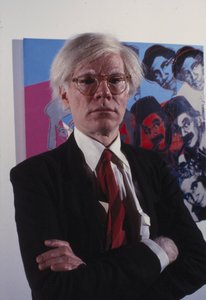
Andy Warhol's "Untitled (1532)" isn’t merely a painting; it’s a distilled moment of unsettling drama captured in silkscreen printmaking—a technique synonymous with Warhol’s groundbreaking exploration of celebrity and mass culture. Executed around 1967, this piece exemplifies the artist’s signature style: bold repetition, vibrant color palettes juxtaposed against stark black and white, and an almost unnerving stillness that belies the palpable tension radiating from its central subject matter. The photograph accompanying this description reveals a meticulously crafted image—a cinematic tableau frozen in time—that speaks volumes about Warhol's fascination with film noir and his desire to dissect the anxieties of American society during the Vietnam War era.- Subject Matter: At first glance, the composition presents two figures positioned before a screen displaying a film scene depicting violence – specifically, a man holding a knife menacingly close to another’s face. The inclusion of additional individuals watching adds to the unsettling atmosphere, suggesting an audience captivated by the unfolding drama.
- Style & Technique: Warhol's masterful use of silkscreen printing is crucial to understanding the artwork’s impact. This method allowed for rapid production and ensured consistent color reproduction across multiple prints—a deliberate choice that underscored Warhol’s belief in the democratization of art and challenged traditional notions of artistic originality.
Historical Context: Echoes of Film Noir and Societal Anxiety
“Untitled (1532)” resides firmly within the context of 1960s American culture, a period marked by profound social upheaval and fueled by anxieties surrounding political conflict and cultural change. Warhol’s artistic sensibilities were deeply influenced by film noir—the genre known for its shadowy visuals, morally ambiguous characters, and exploration of psychological darkness. The painting deliberately borrows stylistic elements from these films, mirroring their preoccupation with themes of violence, paranoia, and the fragility of human relationships. It's a visual commentary on the pervasive fear and uncertainty that gripped the nation during this turbulent time.Symbolism & Emotional Resonance
Beyond its cinematic references, “Untitled (1532)” carries symbolic weight. The screen itself represents mediation—the distance between observer and spectacle—highlighting Warhol’s critique of how media shapes our perceptions of reality. The knife symbolizes aggression and control, while the positioning of the figures underscores the vulnerability inherent in confronting danger. More broadly, the artwork evokes feelings of unease and apprehension, prompting viewers to contemplate questions about power dynamics and the psychological impact of witnessing violence.Interior Design Considerations
For interior designers seeking inspiration, Warhol’s “Untitled (1532)” offers a compelling dialogue between stillness and dynamism. Its bold color contrasts—primarily black and white punctuated by splashes of vibrant hues—can serve as a striking focal point within a space, injecting energy and visual interest. Furthermore, the artwork's exploration of psychological tension aligns with contemporary trends in design that prioritize creating environments conducive to contemplation and emotional resonance. A high-quality reproduction would undoubtedly elevate any interior aesthetic.კითხვები და პასუხები
რა არის ენდი უორჰოლი-ის „untitled (1532)“-ის აღქმადი სიკაშკაშე?
ზოგადად, „untitled (1532)“-ის სინათლის დონე შეფასებულია როგორც bright. აღქმადი სიკაშკაშე აღწერს, თუ რამდენად ღია ან ბნელი ჩანს ნამუშევარი.
რისთვის არის რეკომენდებული ენდი უორჰოლი-ის „untitled (1532)“-ის რეპროდუქცია?
ენდი უორჰოლი-ის „untitled (1532)“-ის გამოყენების რეკომენდებული ფორმაა Accent. მას ასევე შეიძლება სხვა დანიშნულება ჰქონდეს.
ენდი უორჰოლი-ის შემოქმედებითი განვითარების რომელ ეტაპს წარმოადგენს „untitled (1532)“?
"untitled (1532)" ეკუთვნის ენდი უორჰოლი-ის შემოქმედებითი კარიერის Mature Period პერიოდს. ეს კლასიფიკაცია ნამუშევარს ხელოვანის შემოქმედებითი განვითარების ეტაპთან აკავშირებს.


 გადართვა ბეჭდვის რეჟიმზე


 ნებისმიერი მხარისთვის 105 სმ-ზე (დაახლოებით 41 ინჩი) მეტი ზომის ხელოვნებული ნამუშევრების ან რეპროდუქციებისთვის, ჩარჩო მოგზავნდება დაშლილ კომპლექტში. ეს მეთოდი უზრუნველყოფს უსაფრთხო მიწოდებას და თავიდან აგაცილებთ ტრანსპორტირებისას შესაძლო დაზიანებას.


