


 წინასწარი ნახვა
 გაგზავნა
 გაზიარება
 დეტალები
 გზამკვლევი

 ჩამოტვირთვა
 მსგავსები
 რენტგენოგრაფიული კვლევა
 სლაიდშოუ
 სტატისტიკა
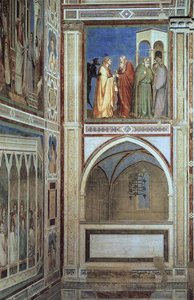
View of the frescoes in the left transept


 გადასართად დაწვრილებით ნახეთ
ხელით ნაკვეთი ზეთის ტილოს რეპროდუქცია
ტილოზე შესრულებული ფერწერიანი ზეთប្រდათი, თქვენთვის სასურველი ზომისა და ჩარჩოსთვის, ჩვენი ხელოვანების მიერ შეკვეთის საფუძველზე დამზადებული. ( გადართვა ბეჭდზე გადასვლა ციფრულ გამოსახულებაზე)




P118B $10

P118H $10

P118W $10

P438Z $10

P508JH $12

P508YH $12

P805H $10

P805Z $10

P919BZ $10

P919G $10

P919XJ $10

P959ZH $10

P968JZ $12

W106C $8

W218G $10

W218JH $8

W218Y $10

W307PJ $10

W316G $10

W316PJ $8

W316Y $10

W398PJ $8

W4111J $10

W500HY $15

W500JH $15

W692G $12

W849H $8

W940BG $15

W953PJ $8




აირჩიეთ ჩვენს მიერ წინასწარ განსაზღვრული ზომებიდან, რომლებიც ნაწარმოების ორიგინალურ პროპორციებს შეესაბამება.

თქვენ შეგიძლიათ მიუთითოთ თქვენთვის სასურველი ზომები კონკრეტული ჩარჩოს ან სივრცის შესაბამისად. თუ თქვენ მიერ არჩეული ზომა არ შეესაბამება ორიგინალი გამოსახულების პროპორციებს, ჩვენ ან შევაჭრებთ ნაწარმოებს, ან ტილოზე დავამატებთ ხელით მოხატულ ელემენტებს. წარმოების დაწყებამდე, დამტკიცებისთვის გამოგეგზავნებათ ციფრული მაკეტი.
გთხოვთ, გაითვალისწინოთ, რომ ეკრანზე ნაჩვენები წინასწარი შეხედულება არ ასახავს რეალურ შეჭრას ან გაფართოებას. საბოლოო კომპოზიციას ზუსტად მხოლოდ მაკეტი წარმოაჩენს.
მიუხედავად იმისა, რომ შესაძლებელია ინდივიდუალური ზომების შერჩევა, ორიგინალური პროპორციების შენარჩუნებისათვის გირჩევთ, გამოიყენოთ წინასწარ განსაზღვრული სიის ზომები.
შეკვეთის შემდეგ, AllPaintingsStore.com გუნდი დაგიკავშირდებათ ელექტრონული ფოსტით ინსტრუქციებისთვის და გამოგიგზავნით წინასწარ ნახაზს (mockup).
მიწოდება მსოფლიო მასშტაბით -ში 3/4 კვირაში, სტანდარტული 5 კვირის ნაცვლად. (21 სექტემბერი). ხარისხზე კომპრომისის გაკეთება არ მოხდება.

უფასო ექსპრეს მიწოდება მთელ მსოფლიოში

საბამად მაღალი ხარისხის ტილო

სრული ტრანსპორტირების დაზღვევა

საბაჟო გადასახადების დაბრუნების გარანტია

ფერების სრული შესაბამისობის გარანტია

დაბრუნების 100-დღიანი პოლიტიკა (მხოლოდ დეფექტის შემთხვევაში)

100% თანხის დაბრუნების გარანტია

ფასდაკლება დიდი რაოდენობით შეკვეთისას
 მინის ჩარჩოს არჩევანი ხელმისაწვდომია მხოლოდ 110 სმ-ზე ნაკლები ზომისთვის

View of the frescoes in the left transept
რეკლამაციის ტექნიკა
რეკლამაციის ზომა
-


საბოლოო ფასი
$ 283
A Medieval Sanctuary Revealed: Cimabue’s Frescoes in Assisi
Stepping into the world of Cimabue’s “View of the frescoes in the left transept” is akin to traversing centuries, arriving at a moment frozen within the sacred walls of the Basilica of Saint Francis of Assisi around 1280. This isn't merely an image; it’s a portal into the spiritual heart of medieval Italy, offering a rare glimpse of artistic devotion and burgeoning innovation. The scene unfolds as a testament to a pivotal era—a bridge between the established traditions of Italo-Byzantine art and the revolutionary currents that would soon define the Renaissance.
The Architecture of Faith and Artistic Ascent
Our gaze is immediately drawn upwards, guided by the masterful arrangement of vertical lines created by the arches and columns framing the frescoes. These architectural elements aren’t simply structural; they are symbolic pathways leading towards the divine. The apse and altar area become the focal point, emphasizing a sense of ascending reverence. Though specific narratives within the frescoes remain partially obscured in this view, their presence is powerfully felt—biblical scenes and figures rendered with a delicate balance between tradition and emerging naturalism. The vaulted ceiling seems to embrace the sacred space, creating an atmosphere of profound contemplation. The image subtly reveals the passage of time; marks of age and restoration are visible, adding layers of history and authenticity to this enduring work.
Breaking with Byzantine Convention: A Proto-Renaissance Vision
Cimabue’s artistry lies in his subtle yet significant departure from the rigid conventions of the Italo-Byzantine style. While echoes of that tradition—the use of gold, flattened perspective, and stylized figures—are undeniably present, he began to infuse his work with a newfound sense of volume, shading, and *lifelike* proportions. This was a revolutionary step, paving the way for artists like Giotto di Bondone who would further push the boundaries of naturalism and emotional depth in painting. The technique employed is primarily fresco—pigments applied directly onto wet plaster—a method that ensures both durability and luminosity. The interplay between textures – rough stone walls contrasting with the smooth painted surfaces – adds a captivating visual dimension, enriching the overall experience.
Symbolism and Enduring Legacy
Every element within this composition resonates with symbolic meaning. The arches, columns, and apse are inherently associated with sacred spaces and religious devotion, while the frescoes themselves serve as visual narratives of faith and morality. The muted color palette—ochres, browns, creams, and faded blues—evokes a sense of age, solemnity, and reverence, inviting quiet contemplation. This artwork transcends mere aesthetic appeal; it inspires awe, encourages introspection, and forges a profound connection to the past. It stands as a powerful reminder of art’s enduring ability to connect us across generations, offering a glimpse into the beliefs and artistic sensibilities of medieval Italy. Cimabue's influence, documented by Giorgio Vasari, continues to resonate today, solidifying his place as a crucial figure in the evolution of Western art.
დაკავშირებული ნამუშევრები




მხატვრის ბიოგრაფია
Giovanni Cimabue: Pioneer of Italian Painting
Giovanni Cimabue, born Cenni di Pepo around 1240 in Florence, stands as a monumental figure—a bridge between the established artistic traditions of the Byzantine world and the burgeoning innovations that would define the Italian Renaissance. His life, though partially obscured by time and romanticized accounts – most notably those penned by Giorgio Vasari centuries later – marks an undeniable turning point in Western art history. Cimabue wasn’t simply a painter; he was a courageous innovator who dared to subtly challenge artistic conventions, laying the groundwork for the revolutionary changes that would soon sweep across Italy. Even his nickname, believed to mean “bull-headed,” hints at a strong will and perhaps a rebellious spirit—qualities demonstrably present in his willingness to experiment with form and expression. He represents a crucial moment where art began to shift from being solely devotional imagery towards something more humanistic and emotionally resonant.Early Influences and Artistic Development
Initially immersed in the Italo-Byzantine style prevalent throughout Florence, Cimabue’s early work adhered closely to established aesthetic principles: flattened figures adorned with shimmering gold leaf, symbolic rather than realistic depictions of space, and a profound focus on religious iconography. However, even within these constraints, a nascent desire for naturalism began to emerge. He wasn't content merely replicating existing forms; he sought to imbue his paintings with a greater sense of life and emotional depth. While the precise nature of his early training remains debated, it’s likely he honed his skills within Florentine workshops, absorbing the techniques and influences of the time while simultaneously developing his own unique artistic voice. The Byzantine style, characterized by its formality and spiritual focus, provided him with a solid foundation, but Cimabue began to subtly introduce elements that would foreshadow the coming Renaissance—a greater attention to volume, more expressive facial features, and a nascent understanding of spatial relationships. This wasn’t a sudden break from tradition, but rather a gradual evolution, a delicate balancing act between honoring the past and embracing new possibilities.Masterpieces and Artistic Innovations
Cimabue's legacy is cemented through a series of breathtaking works that showcase his evolving style. The Maestà (Louvre), originally created for the Church of San Francesco in Pisa, stands as one of his most celebrated masterpieces. This monumental altarpiece exemplifies his mastery of composition and use of color, while simultaneously hinting at the shift away from rigid Byzantine conventions. The figures, though still possessing a degree of formality, exhibit a newfound sense of volume and presence. The Crucifixion (San Domenico, Arezzo), dating around 1270, is particularly significant as an early demonstration of his departure from strict Byzantine norms. Here, the proportions are more realistic, and the emotional weight of the scene is palpable—a stark contrast to the often-distant depictions found in earlier religious art. Further evidence of Cimabue’s innovative spirit can be seen in works like the Flagellation of Christ (Frick Collection), generally attributed to his workshop. This complex composition reveals an evolving understanding of perspective and spatial relationships, showcasing a growing interest in creating more immersive and believable scenes. His contributions weren't limited to panel paintings; Cimabue also excelled as a mosaicist, contributing significantly to the decoration of the Baptistery of Florence—though these mosaics have unfortunately suffered from deterioration over time.A Pivotal Teacher: Giotto and Beyond
Perhaps Cimabue’s most enduring legacy lies in his role as the teacher of Giotto di Bondone. While historical accounts vary regarding the exact nature of their relationship, it is widely accepted that Giotto received crucial training under Cimabue's guidance. However, Giotto would ultimately surpass his master, revolutionizing Italian painting with an even more radical embrace of naturalism and emotional realism. It’s a testament to Cimabue’s skill as a teacher that he fostered such talent, even knowing it might eclipse his own achievements. The story, often recounted by Vasari, of Giotto playfully painting a fly on Cimabue's face speaks volumes about the dynamic between master and pupil—a playful rivalry that ultimately pushed both artists to greater heights. Cimabue’s influence extended beyond Giotto, impacting numerous other artists of the period. He challenged the artistic norms of his time, demonstrating that art could be more than just religious symbolism; it could also reflect human emotion and experience. His willingness to experiment with form, proportion, and expression paved the way for the innovations of the Renaissance, establishing him as a crucial transitional figure in the history of Western art.Enduring Significance
Cimabue passed away in 1302 in Pisa, leaving behind a body of work that continues to captivate and inspire. Despite his significant contributions, details surrounding his later life remain scarce. However, Cimabue’s artistic legacy resonates powerfully through the works of his students and the evolution of Italian art. He represents a crucial step in the development of Western painting, moving away from the stylized conventions of the Byzantine era towards a more humanistic and naturalistic approach. His paintings are not merely historical artifacts; they are windows into a pivotal moment in artistic history—a time when artists began to question established norms and explore new possibilities. He was a pioneer, a visionary who dared to challenge the status quo and lay the foundations for the artistic brilliance that would define the Renaissance. Cimabue’s work reminds us that even within tradition, there is always room for innovation, and that true artistry lies in the courage to push boundaries and explore new horizons.
ქიმბ ბუე
1240 - 1302 , იტალია
მოკლე ინფორმაცია
- Artistic Movement Or Style: แบบ บายเซนต์ และ เรเนสซองส์
- Artists Or Movements Influenced By This Artist: ['จิออตโต ดิ บอนโดเน']
- Artists Who Influenced This Artist:
- จุนตา พิซาโน
- โคปโป ดิ มาร์กา โว ลโด
- Date Of Birth: ค. 1240
- Date Of Death: 1302
- Full Name: Giovanni Cimabue
- Nationality: ประเทศ อิตาลี
- Notable Artworks:
- แม่พระกับเด็ก
- การครูขยี้คริสต์
- การลงโทษคริสต์
- Place Of Birth: ฟลอเรนซ์ ประเทศ อิตาลี
დაკავშირებული სტატიები

The Enduring Legacy of Fresco: Technique, History & Artistic Expression
Explore the rich history & enduring artistry of fresco painting. Discover techniques from Giotto to Michelangelo, conservation efforts, & modern applications. Learn how AllPaintingsStore brings this timeless art form to your home.

ინტერიერის ფრესკების ემოციური ძალა: ისტორიული პერსპექტივა და თანამედროვე გამოხატულებები
გაიგეთ ფრესკის ისტორიული ძალა და თანამედროვე გამოხატულებები. ექსპერტების კონსულტაცია, რესტავრაციის სერვისები და ინვესტირების პერსპექტივები ხელოვნების კოლექციონერებისთვის.

The Enduring Legacy of Fresco Painting: Techniques, History & Contemporary Relevance
Explore the rich history & enduring artistry of fresco painting – from Giotto to Michelangelo! Discover techniques, conservation efforts, & modern applications. Learn how AllPaintingsStore brings this timeless art form to your home.

The Enduring Legacy of Fresco: Technique, History & Artistic Expression Across Cultures
Explore the rich history & enduring legacy of fresco painting! Discover ancient techniques, Giotto's masterpieces, and modern applications. Expert insights for art lovers & professionals.
The Fresco as Family Legacy: Preserving Heritage Through Wall Art
Explore the rich history & enduring legacy of fresco painting. Discover how to preserve family heritage through stunning wall art. Expert insights & restoration guidance.


