


 ნახვა ინტერьерში
 გაგზავნა
 გაზიარება
 დეტალები
 გზამკვლევი

 ჩამოტვირთვა
 მსგავსები
 რენტგენოგრაფიული კვლევა
 სლაიდშოუ
 სტატისტიკა
untitled (7557)

 სრული ტექსტის ნახვა
გიკლე / ხელოვნების პრინტი
მუზეუმის დონის ჟიკლე ან ტილოზე ბეჭდვა სწრაფი წარმოებისა და დასრულების მოქნილი ვარიანტებით. ( შეიძინეთ ხელით შესრულებული ნახატი გადასვლა ციფრულ გამოსახულებაზე)




P118B ₾10

P118H ₾10

P118W ₾10

P438Z ₾10

P508JH ₾12

P508YH ₾12

P805H ₾10

P805Z ₾10

P919BZ ₾10

P919G ₾10

P919XJ ₾10

P959ZH ₾10

P968JZ ₾12

W106C ₾8

W218G ₾10

W218JH ₾8

W218Y ₾10

W307PJ ₾10

W316G ₾10

W316PJ ₾8

W316Y ₾10

W398PJ ₾8

W4111J ₾10

W500HY ₾15

W500JH ₾15

W692G ₾12

W849H ₾8

W940BG ₾15

W953PJ ₾8




აირჩიეთ ჩვენს მიერ წინასწარ განსაზღვრული ზომებიდან, რომლებიც ნაწარმოების ორიგინალურ პროპორციებს შეესაბამება.

შეიყვანეთ თქვენთვის საჭირო სიგანე და სიმაღლე, რათა იგი მოერგოს თქვენს ჩარჩოს ან კედელს. ბეჭდვისას შესაძლებელია მხოლოდ მისი შემცირება და არა გაზრდა, ამიტომ სხვა ფორმის ზომის შემთხვევაში გამოსახულება ნაწილობრივ იკარგება. სანამ რაიმეს დაბეჭდავთ, ჩვენ გამოგიგზავნით ციფრულ მაკეტს დასდასტურებლად. ამ გვერდზე ნაჩვენები სურათი არ ასახავს რეალურ ჭრას — ამას მხოლოდ მაკეტი გვიჩვენებს.
მიწოდება მთელ მსოფლიოში () 2 კვირაში, სტანდარტული 4/5 კვირის ნაცვლად. (27 ოქტომბერი)

უფასო ექსპრეს მიწოდება მთელ მსოფლიოში

მაღალი ხარისხის ტილო

ტრანსპორტირების სრული დაზღვევა

საბაჟო გადასახადების დაბრუნების გარანტია

ფერების სრული შესაბამისობის გარანტია

დაბრუნების 100-დღიანი პერიოდი (მხოლოდ წარმოების დეფექტის შემთხვევაში)

100% თანხის სრული დაბრუნების გარანტია

ფასდაკლება დიდი რაოდენობით შეკვეთისას
 მინის ჩარჩოს არჩევანი ხელმისაწვდომია მხოლოდ 110 სმ-მდე ზომისთვის

untitled (7557)
გიკლე / ხელოვნების პრინტი
რეპროდუქციის ზომა
-


ჯამური ღირებულება
₾ 167
A Window into Impressionism's Soul
Claude Monet, a name synonymous with Impressionism, wasn’t merely a painter of landscapes; he was a chronicler of fleeting moments, a poet of light and color. Born in Paris on November 14, 1840, his early life took an unexpected turn when his family relocated to Le Havre, Normandy, at the age of five. While initially destined for a commercial career by his father, young Claude’s innate artistic talent quickly surfaced, manifesting first in charcoal caricatures sold locally – a testament to both his skill and entrepreneurial spirit. However, it was his encounter with Eugène Boudin that proved pivotal. Boudin didn't just teach Monet *how* to paint; he instilled within him the revolutionary idea of painting en plein air—directly from nature—a practice that would define his entire artistic journey. This formative relationship established a cornerstone for Monet’s lifelong dedication to capturing the ephemeral beauty of the natural world, a pursuit that would ultimately elevate him to the forefront of the Impressionist movement.The Painting's Composition: Harmony and Movement
“untitled (7557)” presents a serene tableau depicting a woman seated on grass amidst a blossoming garden. The central figure—a woman knitting—is accompanied by her child, creating an intimate scene brimming with tenderness. Delicate flowers punctuate the background, establishing a lush atmosphere that invites contemplation. Notably, another person stands slightly behind the woman, partially obscured by her activity, adding depth to the composition and hinting at a narrative beyond the immediate visual elements. Monet’s masterful brushstrokes skillfully convey movement—the gentle sway of grasses, the subtle ripples on the water—harmoniously blending with the stillness of domestic life. This balanced arrangement underscores Monet's intention to portray not just what he *saw*, but how he *felt* when observing this idyllic moment in time.Technique and Impressionistic Style
Monet’s technique is quintessential Impressionism, characterized by loose brushstrokes applied in rapid succession to capture the fleeting effects of light and atmosphere. The artist eschewed meticulous detail, prioritizing instead the conveyance of color and tonal variations—a deliberate departure from academic conventions that dominated the art world at the time. Observe how Monet utilizes broken color – applying pigment in small patches rather than blending it smoothly – to simulate the way sunlight illuminates surfaces and scatters across foliage. This technique is particularly evident in the depiction of the garden flowers, where individual petals shimmer with iridescent hues, reflecting the brilliance of the afternoon sun. The resulting image isn’t a photographic representation; instead, it's an emotional response to the sensory experience of being present in this tranquil setting.Historical Context: Embracing Natural Light
Painted circa 1870-1871, “untitled (7557)” emerged during Monet’s formative years as an Impressionist artist. The Impressionist movement arose in Paris as a reaction against the rigid formalism of Romanticism and academic painting—a rebellion fueled by a desire to depict the world as perceived by ordinary observers. Artists like Monet championed plein air painting, rejecting studio practice in favor of working outdoors directly before their subjects. This decision was driven by scientific advancements concerning optics and color perception, which challenged established theories about how light interacts with pigment. By prioritizing observation and capturing transient impressions, Impressionists sought to convey the subjective experience of seeing—a radical innovation that fundamentally altered the course of art history.Symbolism and Emotional Resonance
Beyond its aesthetic qualities, “untitled (7557)” carries symbolic weight. The woman knitting represents domesticity, caregiving, and the quiet beauty of everyday life – themes central to Impressionist ideals. The child symbolizes innocence and vulnerability, highlighting the importance of familial bonds within Monet’s artistic vision. Furthermore, the garden itself embodies notions of renewal and harmony—a deliberate choice reflecting Monet's fascination with capturing the transformative power of nature. Ultimately, “untitled (7557)” evokes a profound sense of peace and contentment, inviting viewers to contemplate the simple joys of human connection amidst the splendor of the natural world – emotions that resonate deeply within the viewer’s soul.კითხვები და პასუხები
რამდენად მკვეთრი კონტრასტია კლოოდ მონე-ის „untitled (7557)“-ში?
კლოოდ მონე-ის „untitled (7557)“-ის კონტრასტის დონე არის Bold.
რა თემატიკასა და ატმოსფეროს აერთიანებს კლოოდ მონე-ის „untitled (7557)“?
კლოოდ მონე-ის „untitled (7557)“-ში landscape, gardens, water lilies, motherhood, family, light, painting, monet და შემოერწყმება Serene ატმოსფეროს.
აქვს თუ არა ნამუშევარს „untitled (7557)“ დამატებული რეალობის (AR) წინასწარი ნახვის ფუნქცია?
კლოოდ მონე-ის „untitled (7557)“-ის AR წინასწარი ნახვა გვერდი იყენებს დამატებულ რეალობას, რათა თავსებად მოწყობილობაზე ნაჩვენები იყოს ხელოვნების ნიმუში თქვენს საკუთარ სივრცეში.
მსგავსი ნამუშევრები


მხატვრის ბიოგრაფია
แสงและເວລາ: კლოდ მონეს სამყარო
კლოდ მონე, რომლის სახელიც სინონიმად არის ქცეული იმპრესიონიზმისთვის, არ იყო მხოლოდ პეიზაჟების მხატვარი; ის იყო მომენტების ფლაკიანი ქრონიკისტი, ნათებისა და ფერის ποιητής. დაიბადა პარიზში, 1840 წლის 14 ნოემბერს, მისი ადრეული ცხოვრება ఊహించ 못한ამ გადაინაცვლა ნორმანდიის ჰავრში, ხუთი წლის ასაკში. თავდაპირველად, მამის სურვილით, იგი უნდა ეწარმოებოდა კომერციულ საქმიანობას, მაგრამ ახალგაზრდა კლოდის 타고난 მხატვრული ნიჭი hızla გამოჩნდა, პირველად ნახევრად გამ투მანირი კარიკატურების სახით, რომლებიც ადგილობრივად იყიდებოდა – ეს იყო მისი უნარის და მეწარმე 정신ის 증거. თუმცა, გადამწყვეტი მომენტი მისი ევგენ ბუდანთან შეხვედრა იყო. ბუდანმა მონეს לא רק ისสอนა, როგორ უნდა დავხატოთ, არამედ მას революционный идеяც ჩაანერგა – απευθείας طبیعتից വരვა (en plein air), რაც განსაზღვრავდა მისი მთელი కళეწარმოების გზას.
მონეს ფორმალური განათლება დაიწყო პარიზში, თავდაპირველად აკადემია სუიზში და მოგვიანებით შარლ გლეირის სახელოსნოში. სწორედ აქ მან მუდმივ მეგობრებთან, ოსტე რენუართან გაიცნო, ურთიერთობა რომელიც აყალიბდა ortak కళეწარმოების разочарования და ტრადიციული აკადემიური ζωγραφების შეზღუდვიდან გამოსვლის სურვილით. მისი ადრეული ნაშრომები, რომლებიც გამოჩენილია ტექნიკური ਮੁხარათით, ნაკლებად χαρακτηρίζება იმ უнікаლი ხმისას, რომელიც მოგვიანებით მის სტილს განასახიერებდა. მას შემდეგ მოყვა შეტაკებების პერიოდი – ფრანკო-პრუსული ომმა მონე вынужденно თავს აიფარა ლონდონში, სადაც ის погрузился ინგლისელი пейзажистов, როგორიცაა ჯონ კონსტაბლის და ਜੋზეფ ტურნერის ნაშრომებში, შეიცვალა მათი атмосферის эффекты და ფერის инноваციული გამოყენება.
ესთეტიკური რევოლუციის დაბადება
საფრანგეთში დაბრუნების შემდეგ მონე გახდა emerging కళეწარმოების აღზევების ცენტრალური პირი. недовольные კონსერვატული სტանդრტებით, მან გაერთიანდა მსგავსი აზროვნების მქონე სხვა მხატვრებთან და స్వતంత్ర გამოფენების διοργάνოზაციისთვის. 1874 წლის გამოფენა აღმოჩნდა გარდამტეხი მომენტი не только მონისთვის, არამედ მთელი ხელოვნების სამყაროსთვის. სწორედ აქ იყო წარდგენილი მისი ტილო “Impression, soleil levant” (ასვლა მზის შთაბეჭდილება), რომელმაც გამოიწვია "იმპრესიონიზმის" სახელწოდების წარმოშობა – ჰავრის პორტის ნათლილი დილის გამოსახულება. თუმცა, ეს სახელი დარჩა და გადაიქცა గౌరვավոր სიმბოლოდ იმ მოძრაობისთვის, რომელიც стремился შეცვალოს сцены უფრო субъекტური *შთაბეჭდილების* აღქმით, ვიდრე მათი точное წარმომადგენლობით.
მონეს ხასიათიერებული სტილი ამ პერიოდში расцвел: χαλαρές, видимые мазки кистью, яркие и часто не смешанные цвета, нанесенные рядом друг с другом (техника, известная как «разбитый цвет»), и непоколебимое внимание к захвату мимолетных качеств света. ის неустанно продолжал свою практику en plein air, быстро работая, чтобы запечатлеть свои непосредственные восприятия до того, как меняющиеся условия изменят сцену. ეს не просто было изображением того, что он *видел*, а скорее того, как он *чувствовал* в ответ на это – радикальное отклонение от художественных конвенций.
გივერნი: ნათებისა და отражений Рай
1883 წელს მონე დასახლდა გივერნიში, პარიზის ჩრდილო-დასავლეთით, სადაც შეიძინა სახლი და ბაღი, რომელიც როგორც მისი თავშესაფარი, ასევე მისი вдохновения უდიდესი წყარო გახდა. მან тщательно გადააქცია ქონება пышным райским садом, რომელშიც შედიოდა экзотические цветы, ტიხისფოთლოვანი ხეები და ყველაზე ცნობილი – იაპონური мостаთი გადაჭიმული водный бассейн. ეს не просто был декоративный сад; это была живая лаборатория, где Monet мог изучать эффекты света на воде, листве и отражениях в контролируемых условиях.
მისი ζωής последние десятилетия были почти полностью посвящены живописи водных лилий в Гурни. Он начал монументальную серию «Водные лилии» (Nymphéas), создавая огромные полотна, изображающие поверхность пруда как постоянно меняющуюся мозаику цвета и света. Это были не просто картины цветов; это были захватывающие дух произведения искусства, предназначенные для того, чтобы полностью погрузить зрителя в мир безмятежной красоты и созерцательного спокойствия. Масштаб этих работ поражает, расширяя границы традиционной живописи и предвосхищая абстрактный экспрессионизм.
მემკვიდრეობა: ხელოვნების ისტორიაზე გრძელი സ്വാვლის
კლოდ მონეს გავლენა ხელოვნების ისტორიაზე невозможноა შეფასება. ის не только был основателем импрессионизма; он фундаментально изменил то, как художники воспринимали и представляли окружающий мир. მისი субъекტური გამოცდილების акцент, en plein air ζωγραφების მიღწევა და инноваციული ტექნიკები გააპირობა თანამედროვე ხელოვნების абстракции და непредставительных ფორმების შესწავლა.
მონე достигнул значительного коммерческого успеха при жизни – редкость для авангардных художников того времени. Его работы продолжают вдохновлять и восхищать публику по всему миру, укрепляя его место в качестве одной из самых важных фигур западного искусства. Он умер 5 декабря 1926 года, оставив после себя наследие, которое резонирует через поколения художников и любителей искусства.
ძირითადი కళეწარმოების ტექნიკები
- En plein air ζωγραφება: მისი განვითარებისთვის გადამწყვეტი, რომელიც საშუალებას აძლევდა ნათლისა და атмосфеρας პირდაპირი 관찰.
- Разбитый цвет: чистых цветов небольшими мазками рядом друг с другом для оптического смешивания.
- Серийная живопись: изображать один и тот же объект в разных условиях освещения и погоды – демонстрируя преобразующую силу времени и света.
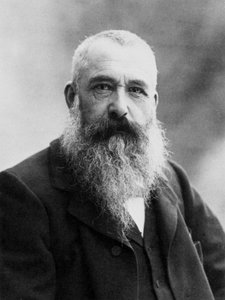
კლოოდ მონე
1840 - 1926 , საფრანგეთი
მოკლე ფაქტები
- Artistic Movement Or Style: იამპრესიონიზმი
- Artists Or Movements Influenced By This Artist: ['მოდერნიზმი']
- Artists Who Influenced This Artist:
- ეუგენ ბუდინი
- ჯონ კონსტაბლი
- ტურნერი
- Date Of Birth: 1840 წლის 14 ნოემბერი
- Date Of Death: 1926 წლის 5 დეკემბერი
- Full Name: ოსკარ-კლოდ მონე
- Nationality: ფრანგი
- Notable Artworks:
- მთვარის ამოსვლა
- ყვავილებანი (წყლის იოხაში)
- გუთნის მალი
- რუანის საკათედრო ტაძარი
- Place Of Birth: პარიზი, საფრანგეთი
მსგავსი სტატიები

Monet's Serial Vision: How Light and Time Revolutionized Modern Art
Explore the revolutionary impact of Claude Monet's serial vision. Discover how his mastery of light, color, and time transformed Impressionism from a rebellion against tradition into the foundation of modern art history.


